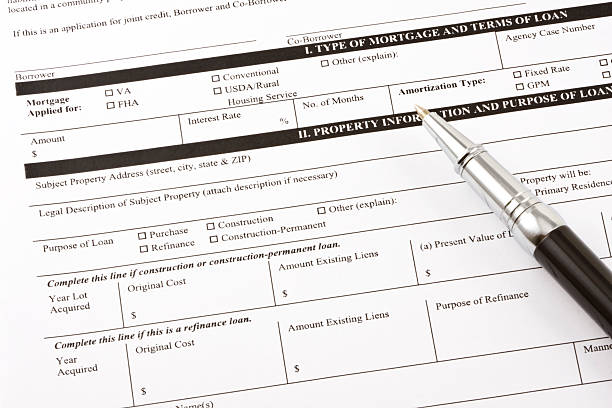
Once you have gathered all your paperwork and officially submitted your mortgage application, the next major step is underwriting. This is a critical phase where the lender reviews everything you have provided to decide whether to approve your loan. Many homeowners find this part confusing or stressful, but understanding what happens can make the wait much easier.
Underwriting is simply the process of verifying your financial information and assessing the risk of lending you money. The underwriter is a person or a team that works for the lender. Their job is to make sure you can afford the loan and that the property is worth what you are paying for it. They do not want to approve a loan that you cannot repay, and they do not want to lend more than the house is worth.
When your application lands on the underwriter’s desk, they will start by checking your income. They will look at your pay stubs, tax returns, and bank statements to confirm that you have a steady job and enough money to cover the monthly payments. If you are self-employed, they will want two years of tax returns and possibly profit-and-loss statements. Do not be surprised if they ask for additional documents. Underwriters are thorough and often request extra verification if something looks unusual.
Next, they will examine your credit history. They will pull your credit report and look at your credit score, your payment history, and your existing debts. A strong credit score with no recent late payments works in your favor. If you have some blemishes, the underwriter may require a written explanation. The key is to be honest. If you had a medical emergency or a job loss that caused a missed payment, explain that. Underwriters are human and understand that life happens.
Your assets are also reviewed. The underwriter wants to see that you have enough cash for the down payment, closing costs, and a reserve fund in case of emergencies. They will ask for bank statements and sometimes investment account statements. Large deposits from unknown sources can raise red flags. If a relative gave you money for the down payment, you will need a gift letter stating that the money is not a loan that must be repaid.
The property itself is a big part of underwriting. The lender will order an appraisal to make sure the house is worth the price you have agreed to pay. The appraiser visits the property, takes photos, and compares it to similar homes that have sold recently. If the appraisal comes in lower than the purchase price, it can cause delays. You may need to renegotiate with the seller or bring extra cash to cover the difference. If the appraisal comes in higher, that is generally good news.
During underwriting, you may receive what is called a condition. This is a request for more information or documents. For example, the underwriter might ask for a letter explaining a gap in employment, or a copy of your divorce decree if you pay alimony. Do not panic. Conditions are normal and part of the process. The faster you respond, the quicker your application moves forward.
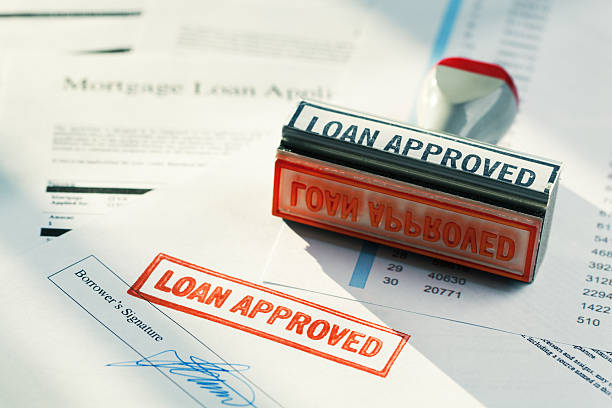
Once the underwriter is satisfied with everything, they will issue a clear to close. This means the loan has been fully approved, and you can schedule your closing date. The closing is when you sign all the final documents and officially become the homeowner. But until that day, do not make any major financial changes. Do not open new credit cards, take out a car loan, or quit your job. Lenders often re-check your credit and employment right before closing. A big change could cause your approval to be withdrawn.
The entire underwriting process can take anywhere from a few days to several weeks, depending on the complexity of your application and the lender’s workload. Stay in touch with your loan officer. They can give you updates and let you know if the underwriter needs anything else. It is also a good idea to keep your phone and email handy so you can respond quickly.
Understanding underwriting removes much of the mystery from the mortgage application process. It is not a test you have to pass perfectly. It is a careful review to protect both you and the lender. The underwriter wants to approve your loan. They just need to make sure it is a safe decision. By being prepared, providing clear documents, and staying patient, you will move through this stage smoothly and be one step closer to owning your home.