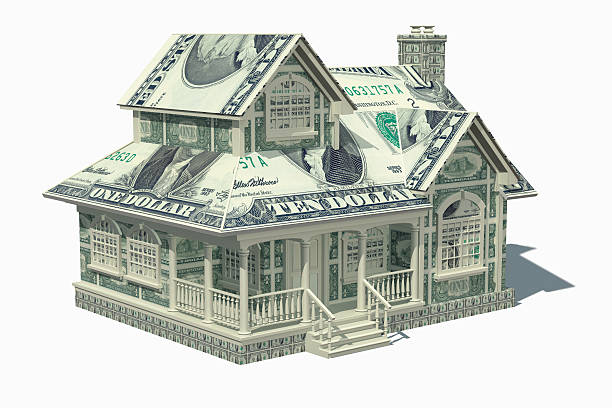
If you own a rental property, you already know it’s not the same as living in your own home. Tenants call you at odd hours, roofs leak at the worst times, and the furnace always waits until January to quit. But there is one big advantage: every month you collect rent, you build equity. And after a few years, that equity can become a pile of cash sitting there unused. That is when many homeowners start thinking about pulling that equity out, either with a second mortgage or a home equity line of credit, often called a HELOC. And that can be a smart move. But it can also be a trap. Here is the no-nonsense truth about tapping equity from an investment property.
First, understand that lenders do not treat your rental property like your primary home. They see it as a business, and businesses come with more risk. If you fall behind on the loan, the lender can’t just turn to a family that feels emotionally attached. They have to deal with a tenant, evictions, vacancies, and property wear and tear. So they protect themselves by lending less and charging more. On an owner-occupied home, you might be able to borrow up to 85 or 90 percent of your home’s value. On a rental property, most lenders stop at 70 or 75 percent. And your interest rate will be higher, sometimes by a full percentage point or more. That means every dollar you borrow is more expensive than it would be on your own house. This is not a deal breaker, but it should change how you think about the money.
So when does it make sense to do this? The best reasons are the ones that help the property work harder for you. Say the kitchen is from the 1970s and a good renovation would let you raise the rent by four hundred dollars a month. Or you need a new roof and you want to avoid draining your emergency savings. Or you have found another property at a great price, and you can use the equity from this one to fund the down payment. Those are solid, productive uses. The money goes into something that either increases income, protects the asset, or creates more wealth. That is what a rental property is supposed to do.
The worst reasons are the same ones that sink people every year: vacations, new trucks, paying off credit cards from the mall, or covering monthly bills because your other job dried up. When you borrow against a rental property, you are putting your income-producing asset on the line. If you use that money for things that don’t generate a penny, you now have a monthly payment on a loan that has to come out of your pocket. And if you ever need to sell the property in a hurry, you might owe more than it’s worth. That is a hard lesson.
There is also a big difference between a second mortgage and a HELOC. A second mortgage gives you a lump sum all at once, with a fixed payment schedule. A HELOC works more like a credit card, with a limit you can draw from over time. For investment properties, HELOCs tend to be less common and harder to find, because lenders worry you will tap the line whenever a whim hits. If you want a HELOC on a rental, you will need strong credit, low debt, and a good amount of equity already built up. And the lender will want proof that your rent reliably covers all your costs, including this new line. So get your paperwork together before you even apply.
Another thing to watch out for is the tax situation. When you borrow against your own home, the interest on that money is sometimes deductible if you use it for certain purposes. But with a rental property, the rules are stricter. If you use the borrowed money to improve the rental, the interest is a business expense and you can deduct it. If you use it to take a trip to Mexico, that interest is personal, and the IRS will not let you write it off. So keep separate records. Do not mix the rental money with your personal checking account. Treat this like a business loan, because that is exactly what it is.
Before you sign anything, sit down with the actual numbers. Add up your current mortgage payment, property taxes, insurance, and maintenance costs. Then add the new payment on the HELOC or second mortgage. Compare that total to what you collect in rent. If the rent does not comfortably cover everything with a little left over, you are asking for trouble. One vacant month or one big repair could put you in the red. And unlike your own home, you cannot just skip a payment on a rental property. That rent check from the tenant is not guaranteed. Landlords know this all too well.
Finally, shop around. Do not settle for the first offer from the bank you happen to use. Talk to credit unions, online lenders, and local banks that understand rental properties. Ask each one what their maximum loan-to-value is and what interest rate they offer. Look at fees and closing costs too. A slightly lower rate can save you thousands over time, but only if the fees do not eat that up.
Borrowing against a rental property is a powerful tool. It lets you grow your portfolio, fix up the place, and put idle equity to work. But it is not free money. It is a business decision. Do your homework, use the funds wisely, and never forget that you are betting the rent. Do that, and you can build real wealth. But if you treat it like a credit card for fun, you might just lose the whole game.