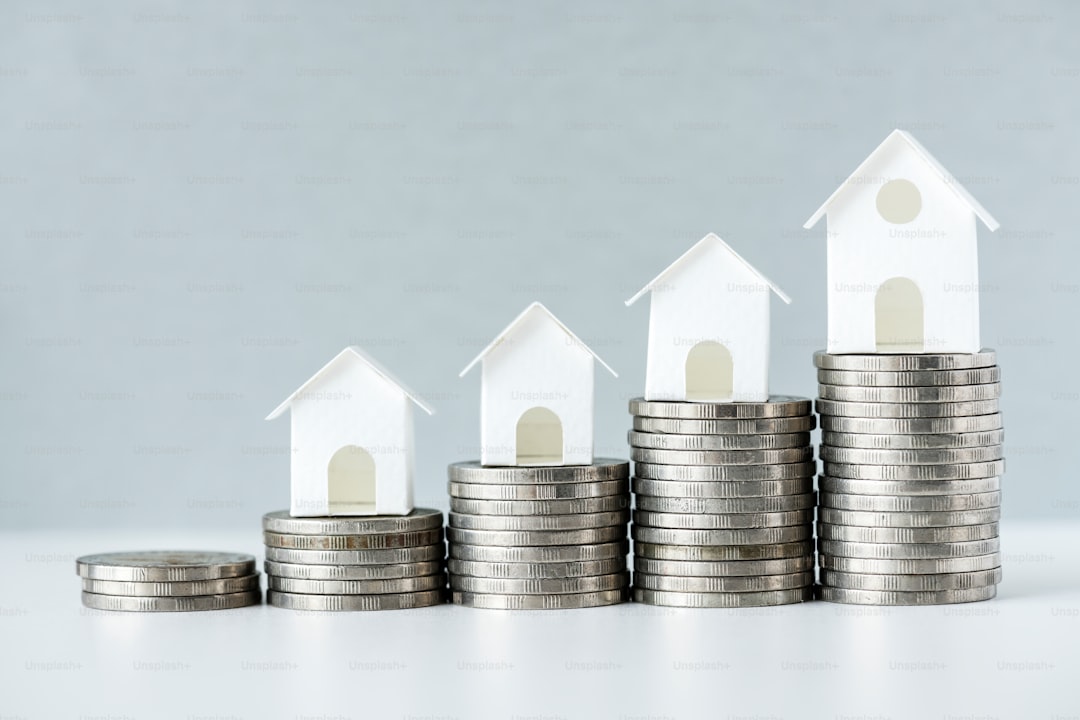
 In the competitive landscape of real estate, buyers often face a daunting hurdle: the equity gap. This occurs when the purchase price of a desired home exceeds the maximum mortgage amount a lender is willing to provide, typically because the down payment is insufficient. One potential, though complex, solution to bridge this financial shortfall is obtaining a second mortgage. While possible, this strategy carries significant risk and is not universally suitable, demanding a thorough understanding of its mechanics and implications.A second mortgage, as the name implies, is a subordinate loan taken out in addition to a primary mortgage, using the same property as collateral. In the context of covering an equity gap—sometimes called a “piggyback loan”—it allows a buyer to effectively finance a portion of what would traditionally be the down payment. For example, in a scenario where a buyer has saved 10% but needs 20% to avoid private mortgage insurance (PMI) or to qualify for a loan, they might take a first mortgage for 80% of the home’s value and a second mortgage for the remaining 10%. This structure can make homeownership accessible when a large lump-sum down payment is out of reach, potentially helping buyers avoid PMI and secure a property in a fast-moving market.However, the feasibility of this route hinges entirely on stringent lender criteria. Qualifying for two loans simultaneously requires exceptional financial strength. Lenders will scrutinize debt-to-income ratios with even greater rigor, as the borrower will be responsible for two monthly housing payments. Credit scores must be high, often well into the “good” or “excellent” range, to secure favorable terms. Furthermore, the second mortgage itself often comes with higher interest rates than the primary loan, reflecting its increased risk as a secondary lien. These rates can be fixed but are frequently variable, adding an element of future payment uncertainty. The combined monthly burden of both mortgages, along with property taxes and insurance, can strain a household budget, leaving little margin for financial setbacks.The risks associated with using a second mortgage for an equity gap are substantial and must be carefully weighed. Most critically, the buyer begins their ownership journey with minimal or no immediate equity. In a declining market, if property values fall, they could quickly find themselves “underwater,“ owing more than the home is worth. This precarious position creates severe difficulties if one needs to sell or refinance. Additionally, the financial strain of dual payments increases the risk of default. Should a borrower fail to make payments, the second mortgage lender can initiate foreclosure proceedings, even if the primary mortgage is current. This layered debt represents a leveraged bet on continuous personal income stability and steady property appreciation.Ultimately, while a second mortgage can technically bridge an equity gap, it is a tool best used cautiously by financially secure individuals with stable, robust incomes and a high-risk tolerance. It may be a strategic choice for a professional expecting a significant near-term increase in earnings or for someone purchasing a multi-unit property with immediate rental income. For the average buyer, however, the perils often outweigh the benefits. A more prudent path may involve delaying the purchase to save a larger down payment, seeking a less expensive property, or exploring alternative programs like gift funds from family or first-time homebuyer assistance programs. Consulting with a trusted mortgage advisor and a financial planner is essential to navigate this decision, ensuring that the pursuit of a home does not compromise long-term financial health. The dream of homeownership should not be built on a foundation of unsustainable debt.
The process varies by lender. Typically, you can do this through your online mortgage account portal, by phone, or by mailing a check. It is critical to include clear written instructions (e.g., “Apply to principal reduction only”) and to verify the payment was applied correctly on your next statement.
Lenders are legally required to automatically terminate your PMI once you reach the date when your principal balance is scheduled to reach 78% of the original value of your home. You can also request PMI cancellation earlier, once you reach 80% LTV based on the original purchase price.
Like your original mortgage, a cash-out refinance comes with closing costs, which typically range from 2% to 5% of the total loan amount. These fees include an application fee, appraisal fee, origination fees, title insurance, and other third-party charges.
A fixed-rate mortgage provides predictable payments for the entire loan term, making long-term debt planning easier. An adjustable-rate mortgage (ARM) may start with lower payments, but if interest rates rise, your payments and total interest paid can increase significantly, potentially raising your overall debt load unexpectedly.
Front-End DTI: This ratio only includes housing-related expenses. It’s your projected total monthly mortgage payment (principal, interest, taxes, insurance, and any HOA fees) divided by your gross monthly income.
Back-End DTI: This is the more commonly used ratio. It includes all your monthly debt obligations—such as your future mortgage payment, auto loans, student loans, credit card payments, and child support—divided by your gross monthly income.