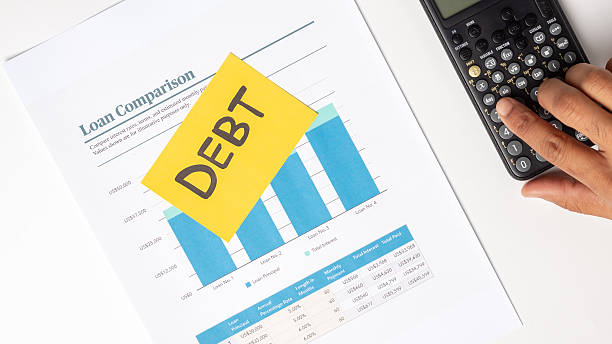
The decision between a 15-year and a 30-year mortgage is one of the most significant financial choices a homebuyer can make, setting the trajectory fo...
Read More
The choice between a 15-year and a 30-year mortgage is one of the most significant financial decisions a homebuyer or refinancer will make. This decis...
Read More
The journey to homeownership is often symbolized by the quest for the perfect mortgage rate, but the financial responsibility extends far beyond that ...
Read More
In the ever-evolving landscape of real estate financing, an often-overlooked option presents a unique opportunity for both buyers and sellers: the ass...
Read More
A balloon mortgage can appear as an attractive, low-cost entry into homeownership, but it carries a unique set of financial risks that borrowers must ...
Read More
Before you embark on the journey of applying for a mortgage, there is one crucial number you must know: your debt-to-income ratio, or DTI. This single...
Read MoreDiscount points paid on a purchase mortgage are generally tax-deductible in the year you pay them, as they are considered prepaid interest. For a refinance, points are usually deducted over the life of the loan. We recommend consulting a tax advisor for your specific situation.
Mortgage underwriting is the process a lender uses to assess the risk of lending you money. An underwriter, a trained financial professional, meticulously reviews your entire loan application to decide whether to approve or deny your mortgage based on your ability and willingness to repay the loan.
Common balloon mortgage terms are 5/25, 7/23, or 10/20. The first number is the balloon period in years, and the second is the amortization period. For example, a 7/23 balloon mortgage has monthly payments based on a 23-year amortization, but the full remaining balance is due after 7 years.
Avoid making any major financial changes. Do not open new lines of credit, take out new loans, or make large purchases on credit. Do not switch jobs or change your income source. Also, avoid making large, undocumented deposits into your bank accounts, as the lender will need to source all funds.
Yes, you can typically buy points on most common loan types, including conventional, FHA, VA, and USDA loans. The specific cost and rate reduction may vary depending on the loan program and lender.