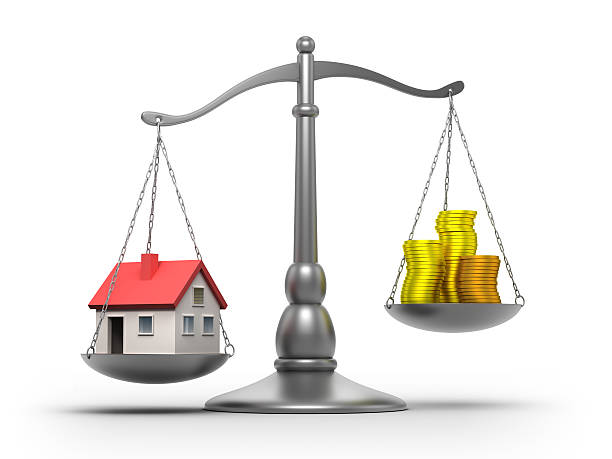
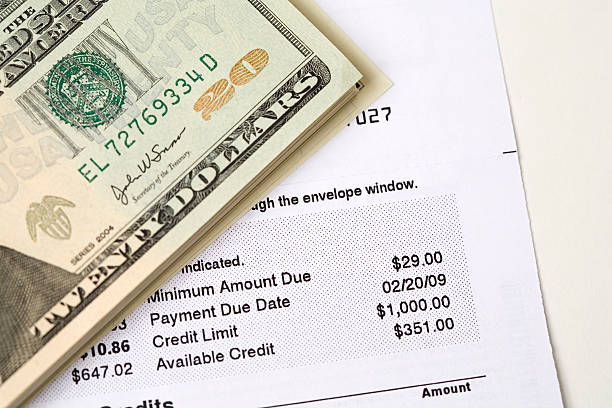
 When you already have a home mortgage, you might hear about a way to get extra money by refinancing. This is called a cash-out refinance. It means you take out a new mortgage that is bigger than what you still owe on your old one. The difference between the old loan balance and the new loan amount is given to you as cash. You can use that cash for anything—paying off credit cards, making home improvements, or covering an emergency. But before you sign up, you need to understand how cash-out refinancing affects your overall debt load. The simple truth is that it makes your total debt bigger, and that can change your financial picture in ways you might not expect.First, let’s look at what happens to the money you borrow. When you do a cash-out refinance, you are not just replacing your old mortgage. You are adding new debt on top of the old balance. For example, suppose you owe $150,000 on your house, and it is worth $250,000. You could refinance for $200,000. The new loan pays off the old $150,000, and you get $50,000 in cash (minus closing costs). That $50,000 is new debt that you did not have before. Your mortgage balance jumps from $150,000 to $200,000. That means you now owe $50,000 more to the bank. That extra amount is part of your overall debt load, and you will have to pay it back with interest over the life of the loan, usually 15 or 30 years.This increase in debt affects your monthly payment. Because the loan amount is larger, your monthly mortgage payment will likely go up. Even if you get a lower interest rate on the new loan, the bigger principal can push the payment higher. For some homeowners, that extra monthly cost is manageable. But for others, it can stretch the budget thin. If you are already paying other debts—like car loans or student loans—adding a larger mortgage payment can make it harder to keep up with everything. The key point is that your total monthly debt obligations grow, and that can reduce the money you have for everyday expenses, savings, or retirement.Another important piece is the total interest you pay over the long run. Interest on a mortgage is calculated on the entire loan balance. So when you increase that balance with a cash-out, you end up paying interest on the extra money for many years. Even if you use the cash to pay off high-interest credit card debt, you are still swapping one type of debt for another. The mortgage interest rate is usually lower than a credit card rate, which can save you money in the short term. But you are stretching the repayment over decades instead of months or a few years. That means you might actually pay more in total interest overall, especially if you do not pay off the mortgage early.Cash-out refinancing also affects something called your loan-to-value ratio, or LTV. That is just a fancy name for how much you owe compared to how much your house is worth. When you take cash out, your LTV goes up. For instance, if your house is worth $250,000 and you owe $150,000, your LTV is 60%. After a cash-out to $200,000, your LTV jumps to 80%. A higher LTV can make it harder to sell your house later because you have less equity. It can also mean you have to pay for private mortgage insurance if your LTV goes above 80%. That insurance is an extra monthly cost that adds to your debt load.There is also the risk of getting underwater on your loan. Underwater means you owe more than the house is worth. If home prices drop, and you already have a high LTV from a cash-out, you could end up owing more than the property value. That puts you in a tough spot if you need to sell or if you face a financial emergency. Your overall debt load becomes larger than the asset you own, which is a dangerous situation for any homeowner.Some people think cash-out refinancing is a way to consolidate debt and simplify payments. It can be, but only if you are careful. If you use the cash to pay off credit cards or personal loans, you replace high-interest, short-term debt with low-interest, long-term debt. That can lower your monthly payment on those debts, but it also means you will be paying off that debt for many more years. The total amount you repay might be higher because of the longer term. Also, if you do not change your spending habits, you could run up those credit cards again, leaving you with both the new mortgage debt and the old debts all over again.The bottom line is that cash-out refinancing always increases your overall debt load. It gives you cash now, but it adds years of extra payments and interest. Before you choose this option, ask yourself if you really need that cash and if you can handle the bigger mortgage. Consider other ways to get money, like a home equity loan or a personal loan, which might have different effects on your debt. And always think ahead: a larger mortgage means less financial breathing room every month. If you are comfortable with that trade-off, cash-out can be a useful tool. But it is not free money—it is a debt that you will carry for a long time.
PMI premiums are most commonly paid as a monthly addition to your mortgage payment. In some cases, you might have the option to pay it as a single upfront premium at closing or a combination of both upfront and monthly payments.
Yes, beware of predatory lenders who target homeowners with substantial equity. They may offer deals that sound too good to be true, push for expensive loan products you don’t understand, or use high-pressure tactics. Always work with reputable, established lenders.
The Fed’s primary tool is its control over the Federal Funds Rate, which is the interest rate banks charge each other for overnight loans. While this is a short-term rate, it acts as a benchmark. Changes to this rate ripple through the entire financial system, influencing everything from savings account yields to bond yields, which directly affect long-term borrowing costs like mortgages.
The monthly payment on a 15-year mortgage is significantly higher because you are paying off the same loan amount in half the time. For example, on a $400,000 loan at a 6.5% interest rate, the principal and interest payment for a 30-year term would be approximately $2,528. For a 15-year term at the same rate, the payment jumps to about $3,484—nearly $1,000 more per month.
The form is broken down into clear sections:
Loan Terms: Details like loan amount, interest rate, and monthly principal/interest.
Projected Payments: An estimate of your total monthly payment, including mortgage insurance and estimated escrow for taxes and insurance.
Closing Costs: A detailed table of all the costs you will pay at closing, separating lender fees from third-party fees.
Comparisons: Key metrics to help you compare loans, like the Annual Percentage Rate (APR) and Total Interest Percentage (TIP).
Other Considerations: Information on assumptions, late payments, and servicing of the loan.