

 The journey to homeownership is paved with significant decisions, but few are as consequential as selecting the term of your mortgage. This choice, essentially the length of time you have to repay your loan, fundamentally shapes your monthly budget and long-term financial picture. The debate most often centers on the classic 30-year fixed mortgage versus its shorter counterpart, the 15-year fixed. Determining which term is better for your budget is not a matter of simple arithmetic; it requires a deep and honest assessment of your cash flow, financial discipline, and future goals.On the surface, the 30-year mortgage presents a compelling case for budget-conscious borrowers. By stretching the repayment over three decades, the monthly principal and interest payments are significantly lower than those of a 15-year loan for the same amount. This reduced monthly obligation frees up immediate cash flow, providing crucial breathing room in your household budget. This flexibility can be invaluable for young families facing childcare costs, individuals with variable incomes, or anyone who prioritizes the ability to invest elsewhere, save for emergencies, or simply enjoy a more comfortable lifestyle without being house-poor. The lower mandatory payment acts as a financial cushion, allowing you to absorb unexpected expenses without jeopardizing your home.Conversely, the 15-year mortgage is a powerful tool for building wealth rapidly, but it demands a robust and stable budget. The monthly payments are substantially higher, often by forty to fifty percent, which can strain finances if not carefully planned for. This path is best suited for individuals or households with a high degree of income security and fewer competing debt obligations. The monumental benefit, however, is the staggering amount of interest saved over the life of the loan. You will own your home outright in half the time and pay a fraction of the interest, potentially saving hundreds of thousands of dollars. This accelerated equity building and forced savings mechanism can be ideal for those approaching retirement or who possess the discipline to prioritize long-term net worth over short-term liquidity.Therefore, the better term for your budget hinges on your personal financial philosophy and circumstances. A 30-year term offers strategic flexibility. It provides the lower required payment, but it does not preclude you from making extra principal payments when possible, effectively mimicking a 15-year loan’s payoff schedule on your own terms. This hybrid approach allows you to enjoy the safety net of a low mandatory payment while still accelerating your payoff during prosperous months. A 15-year term, in contrast, removes temptation and guarantees a faster payoff, but it leaves less margin for error. If your budget cannot comfortably absorb the higher payment without constant sacrifice, the risk of financial stress or even default increases.Ultimately, the most budget-friendly mortgage term is the one you can sustain without derailing your broader financial plan. Before deciding, scrutinize your budget with ruthless honesty. Factor in not just your current income, but also future aspirations—saving for college, funding retirement accounts, or starting a business. Can you handle the higher payment of a 15-year loan while still meeting these other critical goals and maintaining an emergency fund? If the answer is a confident yes, the interest savings are a tremendous reward. If the higher payment would consume a dangerous portion of your income or force you to halt other savings, the 30-year mortgage, with its inherent flexibility, is likely the wiser guardian of your financial well-being. It ensures your home remains a sanctuary, not a source of perpetual financial anxiety.
The most common strategies include: Round Up Your Payments: Rounding up your payment to the nearest $100 or $500 adds extra principal each month. Make One Extra Payment Per Year: This is a simple and highly effective method. Use Windfalls: Apply tax refunds, work bonuses, or inheritance money directly to your principal. Bi-Weekly Payment Plan: This automatically results in an extra payment each year. Before doing this, ensure your lender doesn’t charge prepayment penalties and that all extra payments are applied to the principal, not future interest.
1. Check Your Equity & Credit: Review your mortgage statement to know your current balance and check your credit report and score.
2. Calculate Your Debt: Total the amount of debt you wish to consolidate.
3. Shop Around: Contact multiple lenders, including banks, credit unions, and online lenders, to compare rates, terms, and fees.
4. Get Prequalified: This gives you an estimate of what you might qualify for without a hard credit pull.
5. Submit Your Application: Once you choose a lender, you’ll complete a formal application and provide documentation (proof of income, tax returns, etc.).
6. Home Appraisal & Underwriting: The lender will order an appraisal and process your loan file.
7. Closing: If approved, you’ll sign the final paperwork, and the funds will be disbursed, often directly to your creditors.
While requirements can vary by lender and loan type, generally:
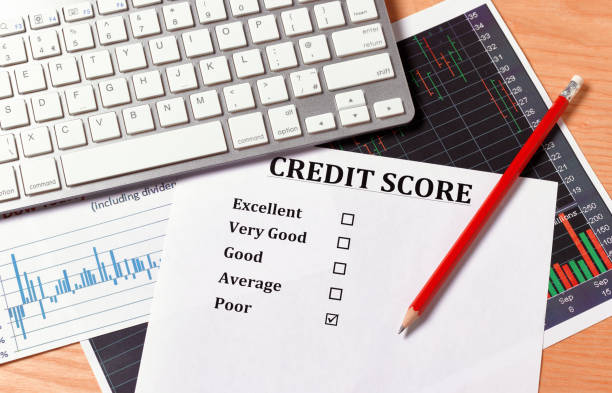
Excellent: 760 and above (Qualifies for the best available rates)
Very Good: 700-759 (Favorable rates)
Good: 680-699 (Average to good rates)
Fair: 620-679 (May face higher rates and more scrutiny)
Poor: Below 620 (May have difficulty qualifying for conventional loans)
Like a primary mortgage, equity loans and cash-out refinances come with closing costs. These can include application fees, origination fees, appraisal fees, title search, and attorney fees. HELOCs may have lower upfront costs but often include annual maintenance fees. Always ask for a full breakdown of all associated fees.
You should seek help from a HUD-approved housing counseling agency. These non-profit agencies offer free or very low-cost advice and can help you communicate with your mortgage servicer, understand your options, and avoid scams. You can find a counselor near you at the Consumer Financial Protection Bureau (CFPB) or HUD websites.