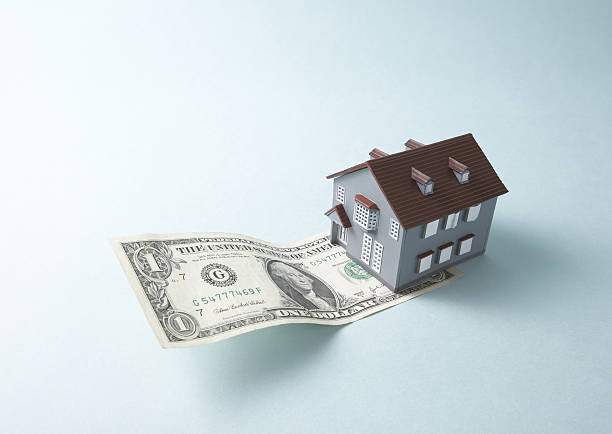
 One of the first things you will bump into when shopping for a mortgage is the idea of a “conforming” loan. Most people hear this term and assume it means the loan is normal or follows the rules. That is basically correct. A conforming loan is one that meets the guidelines set by two giant government-backed companies: Fannie Mae and Freddie Mac. These companies buy loans from lenders, so lenders can then turn around and lend that money to someone else. When your loan conforms to their rules, it is easier for the lender to sell it. And when a lender can sell your loan easily, they usually offer you a lower interest rate.The most important rule for a conforming loan is the loan limit. Each year, the Federal Housing Finance Agency sets a maximum amount that a conforming loan can be. For a single-family home in most of the country, that limit in 2025 is $806,500. And that is not a joke. It is a very specific number. If you need to borrow less than that amount, you are in the conforming world. If you need to borrow more, you are leaving that world and entering the territory of the non-conforming loan.So why does this limit even exist? It is not just a number pulled from a hat. It is tied to the average home price in the United States. Fannie Mae and Freddie Mac are supposed to focus on the typical American housing market, not the very high-end luxury market. By capping the loan amount, they keep their focus on homes that are within reach for most families.But here is where things get interesting for you, the homeowner. The conforming loan limit changes depending on where you live. In places where houses cost a lot more than the national average, like San Francisco, New York City, or parts of Los Angeles, the limit is higher. These are called high-cost areas. In 2025, the conforming loan limit in those areas can go up to $1,209,750. That is a huge jump. So if you live in an expensive city, you might still qualify for a conforming loan even though you are borrowing way more than the national limit. The key is that the limit is based on the median home price in your county.Now, what happens if your loan amount is above the conforming limit, even in a high-cost area? Then you have a non-conforming loan. The most common type of non-conforming loan is the jumbo loan. A jumbo loan is simply a loan that is too big to be bought by Fannie Mae or Freddie Mac. Because the lender cannot easily sell this loan, they have to keep it on their books, which is riskier for them. To cover that risk, they usually charge a higher interest rate and require stricter qualifications.If you are looking at a jumbo loan, be prepared to show a lot of financial strength. Lenders will often want a higher credit score, sometimes 700 or above. They might also require a larger down payment, often twenty percent or more. You will also need to prove that you have a lot of cash in reserve after you close on the house, typically enough to cover six to twelve months of mortgage payments. This is not a loan for someone stretching to the limit. It is for buyers who have a solid financial foundation.But here is a twist that confuses many homeowners. Just because a house costs a lot does not mean you automatically need a jumbo loan. If you put down a very large down payment, you might bring the loan amount down below the conforming limit. For example, if a house costs $1 million and you put down $200,000, you only need to borrow $800,000. That is under the conforming limit in most areas. So you can still get a lower rate with a conforming loan even on a million-dollar house. That is why putting extra money down can save you a lot of money in interest over time.On the other hand, some people choose a jumbo loan even when they do not strictly need one. This sometimes happens with self-employed borrowers who have a lot of cash but messy tax returns. Conforming loans have strict rules about how your income is calculated. A jumbo loan might have more flexibility because the lender is keeping the loan and can look at your overall financial picture rather than just a checklist.Another reason you might end up with a non-conforming loan is if your property is unusual. Maybe you are buying a working farm with a house on it, or a duplex, or a very unique custom home. Conforming loans have limits on the type of property they will finance. If your property does not fit the mold, you might need a non-conforming loan even if the amount is small. These are sometimes called portfolio loans because the lender keeps them in their own portfolio rather than selling them.The bottom line for a homeowner is simple. If your loan amount is under the conforming limit for your county, you will likely get a better deal. If you are over that limit, you will pay more for the loan, and the lender will ask for more proof that you can handle the payments. That does not mean a jumbo loan is bad. It just means it is a different product for a different situation. Understanding these limits helps you know exactly what you are getting into before you ever sign the papers.
The 30-year mortgage is generally easier to qualify for because the lower monthly payment results in a lower debt-to-income (DTI) ratio, which is a key factor in mortgage underwriting. The high payment of a 15-year loan increases your DTI, which can make it harder to meet a lender’s qualifications if your income is not sufficiently high.
A Home Equity Loan provides a single, lump-sum payment upfront, which you repay with a fixed interest rate and consistent monthly payments. A HELOC works more like a credit card, giving you a revolving line of credit to draw from as needed during a “draw period,“ typically with a variable interest rate. You only pay interest on the amount you’ve actually borrowed.
An extra principal payment is any amount you pay towards your mortgage that exceeds the required monthly principal and interest payment, which is applied directly to your loan’s principal balance.
Home Equity Loans almost always have a fixed interest rate, meaning your payment remains the same for the entire loan term. HELOCs almost always have a variable interest rate, which means your payment can increase or decrease over time based on market conditions.
The 1% Rule is a common industry guideline that suggests you should budget for annual maintenance costs equal to 1% of your home’s purchase price. For example, on a $400,000 home, you would set aside $4,000 per year (or about $333 per month). This is a good starting point, but the actual amount can vary based on the home’s age, condition, and location.