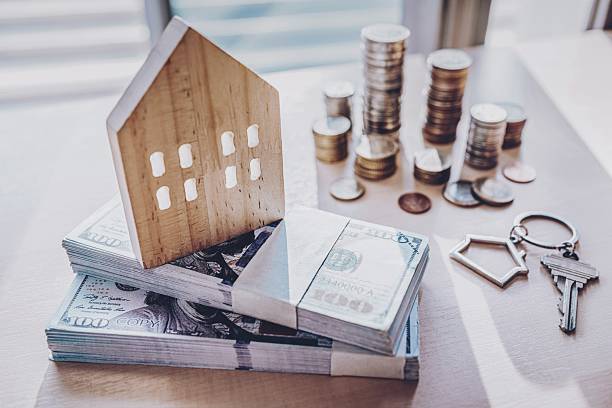
You’ve saved for years. You’ve found the right house. You’ve signed a mountain of paperwork. Then, just days before closing, you get an email from your title company with new wiring instructions for your down payment. Looks official. Has the right logos. Even the right email address at first glance. You wire the money. Then the real title company calls to ask why you haven’t sent it yet. That’s when your stomach drops. You just handed your entire savings to a crook. This happens to American homebuyers every single day, and it’s one of the most common mortgage fraud traps out there. The good news is you can stop it cold with one simple habit: never trust wiring instructions you receive by email.
Here’s how the scam works. A criminal gets into the email account of a real estate agent, a title company, a mortgage broker, or even your own email. They watch the conversation and wait for the perfect moment—usually a day or two before closing. Then they send you a message that looks just like the real thing. It says something like “we’ve changed our bank account” or “please remit to the following new wiring information.” They make it urgent. They make it seem routine. And because you’re juggling a hundred details, you don’t stop to question it. You just wire the money. The thief takes it out of the receiving account within minutes. The bank can’t reverse it. The title company isn’t responsible. Your insurance doesn’t cover it. You’re out every penny you planned to put down.
Now, here’s the no-nonsense rule that will protect you: if anyone ever sends you wiring instructions, do not use them. Not once. Not if they’re from your own mother’s cousin’s title guy. Not if the email looks perfect. Because email is not secure. Your real estate agent’s email isn’t secure. The title company’s email isn’t secure. Every one of those accounts gets hacked every day. So the only way to be safe is to get your wiring instructions by voice, from a phone number you already know is real. Not the number in the email. Look up the title company’s number on their official website or on your printed closing statement. Call them. Ask the person on the other end to confirm the exact bank name, routing number, and account number. Then ask them to read it again. If anything is different from what you got by email, you just dodged a bullet.
That’s the wiring part. But there’s a bigger family of rip-offs under the same roof: identity theft. Scammers don’t just want your money directly. They want your personal information—your Social Security number, your bank account details, your credit history—so they can take out loans in your name or even steal the title to your house. If you’re buying or refinancing, you’re already handing over tons of sensitive data to lenders. That process is generally safe, but the same crooks will try to trick you into giving that info to them instead. They’ll call pretending to be your lender. They’ll say there’s a problem with your application and they need to “verify” your Social Security number. They’ll email a fake link that looks like your bank’s login page. They’ll even send fake texts saying your loan is approved and you need to click to accept.
Here’s the plain truth: no legitimate lender will ever ask you to confirm your full Social Security number over the phone or through a text link. No legitimate title company will ask you to wire money to a personal account. No legitimate bank will send you an email with a link that says “log in immediately to avoid foreclosure.” If you get any of that, hang up, close the email, and call the real institution using the number on your paperwork. Not the number on the caller ID. Not the number in the email. The one you already have in writing.
Another quiet danger is the “synthetic” identity theft trap. That’s when crooks combine your real name and address with a fake Social Security number to open new credit accounts. You won’t know anything is wrong until a collection agency calls about a debt you never owed. You can stop that too by freezing your credit at the three big reporting agencies. It’s free. It takes about ten minutes per agency. And even though it’s a bit of a hassle when you need new credit, it’s nothing compared to the pain of a stolen identity. For most homeowners, keeping your credit frozen until you actually need a mortgage is the best protection there is.
Finally, remember that stress is the scammer’s best friend. They want you to act fast, to feel like you’ll lose the house if you don’t wire that money today. That’s a lie. The real deal will always let you verify. The real title company will thank you for calling. The real lender will appreciate your caution. So slow down. Make the phone call. Double-check every number. And never allow an email to rush you into handing over your life’s savings. A few extra minutes of checking could be the difference between owning your home and watching your money vanish.