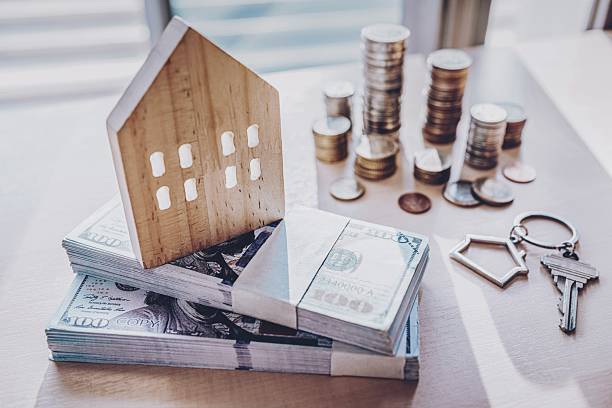


Closing day can feel like a finish line, but it is also your last real chance to catch problems before you sign on the dotted line. Two things protect you here: the final walkthrough and the loan condition check. One is about the house. The other is about the money. Skip either one, and you can end up with a surprise repair bill, a missing document, or loan terms that do not match what you expected. Neither task is glamorous, but both are simple. You just have to slow down and look.
The final walkthrough usually happens within twenty-four hours before closing, sometimes the morning of. It is not a full home inspection. You already did that. This is a quick, focused check to confirm the house is still in the same condition it was when you agreed to buy it, aside from normal wear and tear. Bring your contract, any repair receipts, a phone for photos, and a simple checklist. If the seller agreed to fix a leaky faucet, replace a broken window, or service the furnace, confirm it was done and get the paperwork. Test what you can. Run the faucets. Flush the toilets. Flip light switches. Open and close windows and doors. Check the heat and air conditioning. Look under sinks for leaks. Peek in the attic and basement if you can. Check for new stains, mold, pests, or damage from moving day. Outside, look at the roof, gutters, siding, fence, and drainage. If something is wrong, do not ignore it because you feel awkward. Take photos, write it down, and tell your real estate agent and lender right away. You may be able to delay closing, ask for a credit, or have the seller fix it before you sign. Get any promise in writing. A verbal “we’ll take care of it” is not good enough.
The loan condition check is the other half of closing day prep. Your lender has a list of conditions that must be met before it will fund your loan. Some conditions are basic, like proof of insurance or a clear title. Others are specific to your file, like an updated pay stub, a bank statement, a letter explaining a deposit, or confirmation that a repair was completed. A few days before closing, ask your loan officer for the current condition list and which items are still open. Do not wait until you are sitting at the closing table. If you are using a broker, ask them to confirm the lender’s condition list in writing and explain anything that is still open. The broker works for you, but the lender controls the money, so get the answer from the lender too. If your lender says you are “clear to close,“ that means the conditions are satisfied. Still, ask for the final Closing Disclosure at least three business days before closing. Compare it to your Loan Estimate. Check the loan amount, interest rate, monthly payment, escrow amount, closing costs, and cash to close. If a number jumped, ask why. Confirm wire instructions by calling your lender or title company using a phone number you already know. Never trust wire instructions sent by email. Bring your government ID and proof of insurance. Do not sign documents with blank spaces. Ask for copies of everything.
On closing day, speak up if something feels off. The closing table is not the place to learn about a new fee or a loan term you did not expect. If the paperwork does not match your final Closing Disclosure, stop and ask questions. You have the right to review everything before you sign. If you do not understand a document, ask the closer to explain it in plain English. That is not rude; it is smart. Always ask. If the lender has not cleared all conditions, do not sign. Ask for written confirmation that every condition is met. Keep a folder with your walkthrough notes, photos, condition list, Closing Disclosure, and signed documents. After closing, review your first mortgage statement. Follow up on any promised repairs or credits. This last check is not about being paranoid. It is about being prepared. You are about to take on a big payment for a home you will live in for years. Take the extra hour. Ask the extra question. It is your money and your house.