A fixed-rate mortgage is exactly what it sounds like: the interest rate stays the same for the entire life of the loan. Your monthly payment for principal and interest does not change, no matter what the economy does. That simple promise is why fixed-rate loans are the go-to choice for many American homeowners. But simple does not mean perfect. There are real trade-offs, and knowing them before you sign can save you thousands.
The biggest pro is predictability. With a fixed rate, you can build a monthly budget around a payment that will not jump next year or five years from now. If inflation rises or mortgage rates climb, your loan stays put. You do not have to worry about a payment shock when your loan adjusts. For families on a tight budget, that certainty can mean sleeping well instead of lying awake doing math.
Fixed-rate loans also make long-term planning easier. You know how much of each payment goes toward interest and principal, even if the mix changes slowly. You can pay extra when you have spare cash, and every extra dollar goes straight at the balance. Over time, that builds equity and shortens your loan. If you stay for many years, a fixed rate can be a steady path to owning your home free and clear.
Another advantage is simplicity. You do not have to track market indexes, worry about caps, or wonder what your new payment will be after an adjustment. You get one rate and one payment schedule. Lenders have to show you the full yearly cost, including fees, so you can compare the real price instead of just the headline rate.
Now for the cons. The main downside is that fixed rates often start higher than adjustable rates. You may pay more in the early years for the safety of a fixed payment. If you plan to move or refinance within a few years, that higher starting cost might not be worth it. An adjustable-rate loan could save you money short term, though it comes with the risk of higher payments later. The key is how long you truly expect to keep the loan.
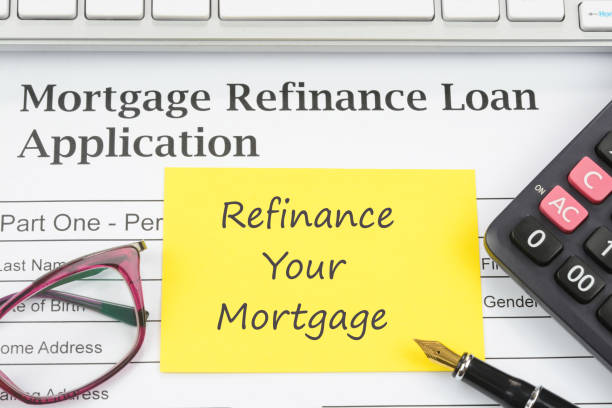
A fixed-rate mortgage can also be less flexible when rates fall. If you lock in at six percent and rates drop to four percent, you will need to refinance to get the lower rate. Refinancing means new closing costs, paperwork, and possibly a new loan term. You might come out ahead, but it is not automatic. Run the numbers and see how long it takes to break even on the fees. If you sell or refinance too soon, the savings may not cover the cost.
Term length is another trade-off. A thirty-year fixed loan gives you a lower monthly payment, but you pay much more interest over time. A fifteen-year fixed loan usually has a lower rate and far less total interest, but the monthly payment is higher. Neither is wrong. The best choice lets you pay on time, build equity, and still afford the rest of your life.
There are also lender details to watch. Some fixed-rate loans come with prepayment penalties, which can cost you if you pay off the loan early. Others have high origination fees, discount points, or escrow requirements that change your total cost. Ask for the full picture: the rate, the yearly cost including fees, total closing costs, and whether you can make extra payments without a penalty. Do not let a smooth sales pitch rush you. A fixed rate is only a good deal if the whole loan is a good deal.
For most homeowners who plan to stay put and want a payment they can count on, a fixed-rate mortgage is a strong, sensible choice. It trades possible short-term savings for long-term stability. If you might move soon, want the lowest possible starting payment, or are willing to take on more risk, an adjustable loan might fit better. That is why the pros and cons matter. A fixed rate is not magic. It is a tool. Use it with your eyes open.