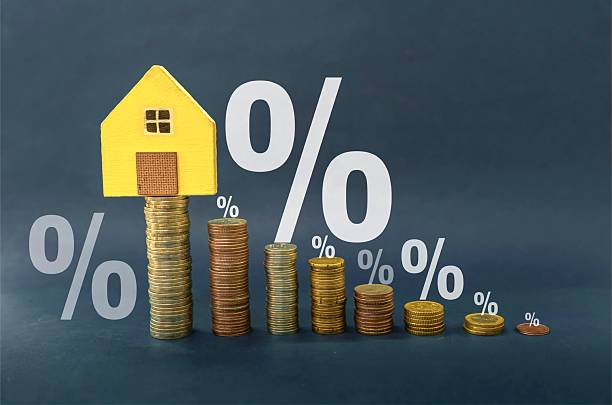
In the complex landscape of home financing, the choice between a fixed-rate mortgage (FRM) and an adjustable-rate mortgage (ARM) is one of the most consequential decisions a borrower can make. This decision takes on heightened significance in a changing interest rate environment, where economic forecasts and central bank policies create uncertainty about the future cost of money. Understanding the fundamental differences between these two loan types is essential for aligning a mortgage with one’s financial goals, risk tolerance, and timeline, particularly when rates are in flux.A fixed-rate mortgage is the epitome of stability. As its name implies, the interest rate, and consequently the monthly principal and interest payment, remains unchanged for the entire life of the loan, whether it is 15, 20, or 30 years. This consistency provides a powerful shield against a changing rate environment. When market interest rates rise, the borrower with an FRM is insulated, continuing to pay their original, lower rate. This predictability allows for effortless long-term budgeting and financial planning. However, this security comes at a cost. Typically, fixed-rate mortgages originate with higher interest rates than the initial rates offered on ARMs. This premium is the price paid for lifelong stability. In a climate where rates are expected to climb, locking in a fixed rate can be a strategically defensive move, protecting the borrower from future increases that could make homeownership less affordable.Conversely, an adjustable-rate mortgage features an interest rate that can change periodically after an initial fixed period. A common structure is the 5/1 ARM, which offers a fixed rate for the first five years, after which the rate adjusts annually based on a specific financial index plus a set margin. In a changing rate environment, the behavior of an ARM is dynamic and directly tied to broader economic movements. During the initial fixed period, an ARM often provides a lower rate and payment than an FRM, which can be advantageous for those who plan to sell or refinance before adjustments begin. The critical distinction emerges when the adjustment period arrives. If general interest rates have risen, the ARM’s rate will reset higher, increasing the monthly payment, sometimes significantly. This introduces uncertainty and potential payment shock. If rates fall, however, the borrower may benefit from a lower payment without needing to refinance. Therefore, an ARM is a calculated risk, often suitable for those with shorter ownership horizons or the financial flexibility to absorb potential future increases.The interplay between these mortgages in a changing rate environment ultimately centers on the trade-off between risk and reward, certainty and opportunity. Choosing a fixed-rate mortgage is a decision to prioritize long-term predictability over short-term savings. It is a conservative strategy that eliminates interest rate risk for the borrower, transferring it entirely to the lender. In an era of rising rates, this can prove to be a financially astute choice, as the borrower’s cost of housing remains constant while the cost of new debt rises around them. Opting for an adjustable-rate mortgage, however, represents a bet on future economic conditions or a commitment to a shorter timeline. It accepts the risk of higher future payments in exchange for lower initial costs. In a volatile or rising rate climate, this gamble can backfire, leaving the borrower with escalating costs just as economic conditions may be tightening elsewhere in their finances.In conclusion, the core difference between fixed and adjustable mortgages in a changing rate environment is one of risk allocation. The fixed-rate mortgage offers a permanent sanctuary from market volatility, a benefit for which the borrower pays an upfront premium. The adjustable-rate mortgage offers initial savings but tethers the borrower’s future costs to the unpredictable tides of the economy. The optimal choice is deeply personal, contingent upon one’s financial resilience, career stability, and the length of time one intends to hold the property. In times of economic uncertainty, carefully weighing the comfort of stability against the potential for initial savings becomes not just a financial calculation, but a cornerstone of sustainable homeownership.
The Loan Estimate is a standardized, three-page form you receive after applying for a mortgage. It is crucial because it clearly lays out the key details of your loan offer, including the estimated interest rate, monthly payment, closing costs, and any special features (like a prepayment penalty). Use it to compare offers from different lenders accurately.
In the vast majority of cases, Mortgage Brokers are free for the borrower. They are typically paid a commission or “trail” by the lender once your loan is settled and funded. This commission structure is regulated to ensure it does not influence the broker’s recommendation against your best interests. You should always confirm with your broker that there are no fees for their service.
Consider your:
Total Savings: Don’t drain all your accounts.
Closing Costs: Typically 2-5% of the home’s price, paid separately from the down payment.
Emergency Fund: Maintain 3-6 months of living expenses.
Moving & Initial Maintenance Costs: Budget for moving trucks, new furniture, and immediate repairs.
Debt-to-Income Ratio (DTI): Lenders use this to gauge your ability to manage monthly payments.
Beyond the interest, there can be significant closing costs similar to a primary mortgage. These may include application fees, appraisal fees, origination fees, and annual fees for HELOCs. These upfront costs reduce the actual amount of money you receive.
Your credit score is a critical factor in the mortgage approval process. A higher score generally qualifies you for better interest rates and loan terms. Lenders use it to assess your risk as a borrower. A low score could lead to a higher interest rate or even application denial, so it’s wise to check and improve your score before applying.