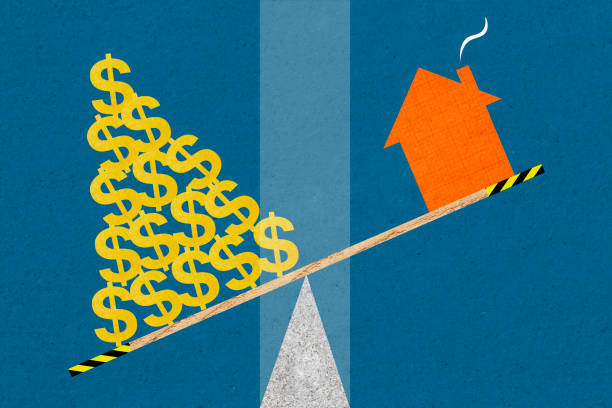


If you own a rental house, duplex, or apartment building, pulling cash out of it can sound like a simple move. You have equity, you have a lender, and you have a plan. But when you ask about a home equity line of credit on an investment property, the rate often comes back higher than the quote you saw for a primary home. That surprise is not random. Lenders treat investment property differently because the loan is riskier for them, and that risk shows up in the price you pay.
The first reason is basic: you do not live there. A HELOC on your primary home is backed by the place you sleep at night. If money gets tight, most people fight harder to keep their own home than a rental. Lenders know this. They also know that an investment property can sit empty, need repairs, or stop producing rent at the worst possible time. When the rent checks pause, you still owe the mortgage, taxes, insurance, and the HELOC payment. That added pressure makes the loan less safe from the lender’s point of view. Less safe usually means a higher rate.
Investment property also gets more scrutiny because the lender is looking at two things: you and the property. On a primary home, the lender cares about your income, credit, and the home’s value. On a rental, they also care about the rent. Is the lease solid? Is the market strong? Are there enough reserves after the bills are paid? A rental that looks great on paper can still be a headache if the tenant leaves or a major repair lands. Because the lender is reviewing a business-like asset, they often charge more to cover the extra homework and extra risk.
Another factor is that HELOCs are flexible, and flexibility costs money. A HELOC lets you borrow, pay down, and borrow again during the draw period. That is handy for repairs, upgrades, or keeping cash ready for vacancies. But for an investment property, that same flexibility can be used in ways that make the loan riskier. You might draw cash to cover a slow month, then draw more for a new roof, then draw again for turnover costs. The lender has to plan for the line being used more heavily than expected. Higher risk usually means a higher starting rate, a higher margin, or both.
You will also see stricter rules on investment property HELOCs. Many lenders want a lower loan-to-value, meaning they will not let you pull out as much equity as you could on a primary home. Some want more cash reserves after closing. Some cap the line lower or require a higher credit score. Some do not offer HELOCs on rentals at all. When fewer lenders compete for that loan, the ones that do stay in the game can charge more. That is supply and demand and it hits investment property owners in the rate.
There is the matter of what happens if things go wrong. If a lender has to foreclose on an investment property, it can be messier than a primary home. There may be tenants involved, local rental rules, unpaid property taxes, or deferred maintenance. The lender may have to manage a property it never wanted to own. Those costs and delays get baked into the pricing. You won’t see them as line items, but you feel them in the rate.
So what should you do? First, shop around with lenders who lend on investment properties. Ask for the starting rate, the ongoing rate, maximum loan-to-value, and closing costs in writing. Compare a HELOC with a fixed-rate home equity loan or a cash-out refinance, because a fixed payment may be safer for your long-term plan. Do not stretch to the last dollar of equity. Keep a cushion for vacancies, repairs, and higher payments. And run the numbers as if the rent drops or the line adjusts upward, because it can.
A higher rate on an investment property HELOC is not a rip-off by itself. It is the lender pricing extra risk. Your job is to decide whether the cash is worth that cost. If the money goes toward a smart improvement or a solid reserve, the higher rate may still make sense. If it is funding a weak plan, the rate is telling you something. Listen to it.