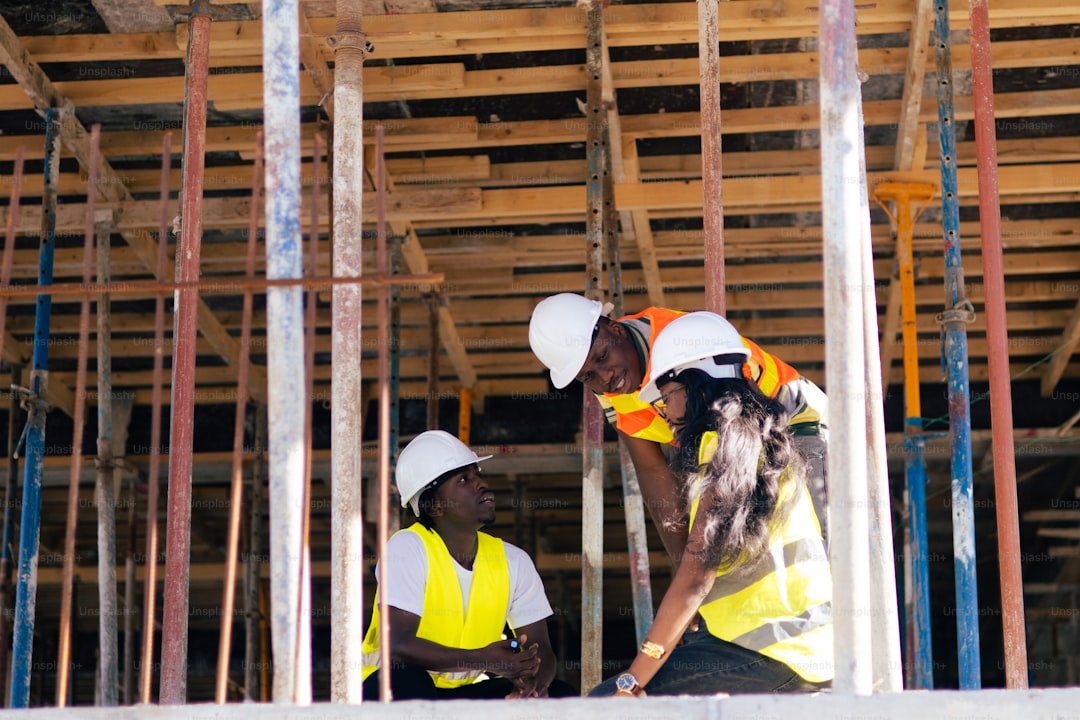
 If you are thinking about building a house instead of buying one that already exists, you will likely need a construction loan. This type of loan is different from a regular mortgage, and understanding how it works can save you a lot of confusion and money. A construction loan is a short‑term loan that pays for the building of your home. Once the house is finished, the loan changes into a standard mortgage. This process is often called a “construction‑to‑permanent” loan.First, you need to understand that a construction loan is not a lump sum of cash handed to you at closing. Instead, the lender gives money to the builder in stages, called draws. The builder completes a portion of the work and then submits a request for payment. An inspector checks that the work is done correctly before the lender releases the next amount. This protects you because the bank makes sure the money is actually being used for the house and not wasted.During the construction phase, you typically pay only interest on the money that has been drawn so far. You do not have to make full principal and interest payments like you would on a regular mortgage. This keeps your monthly costs lower while the house is being built. The interest rate on a construction loan is usually variable, meaning it can change over time. That is because the loan is short and the bank takes on extra risk before the house exists as collateral.Once the house is finished and you get a certificate of occupancy, the construction loan automatically converts into a permanent mortgage. This permanent loan can have a fixed or adjustable rate, depending on what you chose at the beginning. Many lenders offer a single closing for the whole process. That means you only pay closing costs once, which saves you money. You lock in your permanent mortgage rate at the time of the first closing, so even if interest rates go up later, your rate stays the same.Not everyone qualifies for a construction loan. Lenders look at your credit score, income, and debts just like they do for any mortgage. But they also need to see a solid building plan. You will have to provide detailed blueprints, a construction contract with a licensed builder, and a budget that shows exactly how much each part of the project will cost. The lender will also order an appraisal of the planned house. That appraisal is based on the house’s value once built, not the land alone. Usually, you need a down payment of at least twenty percent, though some programs allow less.One common worry homeowners have is the risk that the builder might not finish on time or might run over budget. Because the lender controls the draw process, they can stop payments if the work is not up to standard. Still, you should have a clear contract with your builder that includes a completion timeline and a fixed price for the construction. If the builder goes over budget, you are responsible for the extra cost unless you have a “cost‑plus” contract that shares the risk.Another important point is the difference between a construction loan and a renovation loan. A renovation loan is used to fix up an existing house, while a construction loan builds a new one from scratch. Some homeowners use a construction loan to add a large addition or build a separate structure, like a detached garage or guest house, but most lenders prefer to call that a renovation loan if the main house is already standing.When you apply for a construction loan, you should shop around for a lender that has experience with these loans. Not every mortgage company offers them, and the terms can vary widely. Ask about the interest rate during construction, the length of the construction period (usually nine to twelve months), and what happens if the house does not finish on time. Some lenders allow an extension, but it may cost you an extra fee.Finally, remember that building a house takes patience. The construction loan process has more steps than buying a home that is ready to move into. But for many people, the result is a house that fits exactly what they want, from the floor plan to the finishes. If you plan carefully, understand the draw schedule, and work with a reputable builder, a construction loan can be a smart way to get the home of your dreams without taking on unnecessary risk.
A break-even analysis determines how long it will take for the monthly savings from your new mortgage to equal the upfront costs of refinancing. - Formula: Total Closing Costs ÷ Monthly Savings = Break-Even Point (in months) - Example: If your closing costs are $6,000 and you save $200 per month, your break-even point is 30 months ($6,000 / $200). You should plan to stay in the home longer than this period for the refinance to be financially beneficial.
Generally, no. The covenants, conditions, and restrictions (CC&Rs) that govern the community bind all homeowners, and the board has a fiduciary duty to apply fees equally. Waiving a fee for one owner would be unfair to others who have to pay and could expose the board to legal action.
Your down payment is a percentage of the home’s purchase price that you pay upfront to secure the loan. Closing costs are separate fees for the services and processes required to complete the mortgage transaction. They are not applied toward your home’s equity in the same way.
You should contact your loan officer immediately to discuss any discrepancies or information that seems incorrect. It is crucial to address errors early, as the Loan Estimate forms the basis for the final Closing Disclosure you’ll receive before settlement.
The process varies by lender. Typically, you can do this through your online mortgage account portal, by phone, or by mailing a check. It is critical to include clear written instructions (e.g., “Apply to principal reduction only”) and to verify the payment was applied correctly on your next statement.