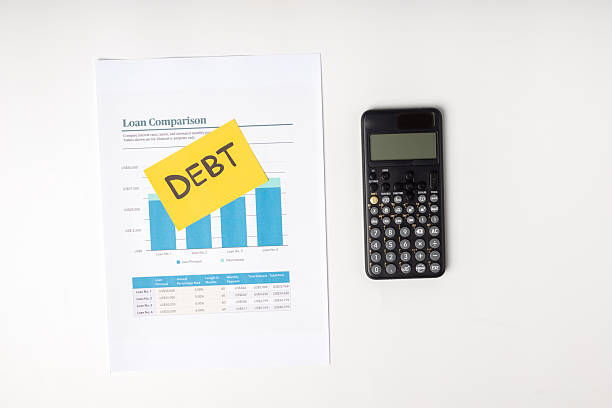
 Taking out a second mortgage on your home might seem like a smart way to get cash for a big project or to pay off other bills. But before you sign anything, it is important to understand how this kind of loan changes your overall debt load. A second mortgage is a separate loan that sits behind your first mortgage. This means you now owe two different lenders money that is secured by your house. Your total monthly payments will go up, and the amount you owe in total will grow. More importantly, the way your debt is structured shifts in ways that can affect your financial health for years.When you add a second mortgage, you are borrowing more money against the value of your home. If your house is worth three hundred thousand dollars and you already owe two hundred thousand on your first mortgage, you might be able to borrow another fifty thousand with a second mortgage. That brings your total debt secured by the house to two hundred fifty thousand dollars. Your overall debt load increases by that full fifty thousand. It is not just a small addition. It is a new monthly payment that you have to fit into your budget on top of everything else.The impact on your monthly cash flow is immediate. Your first mortgage payment stays the same, but now you have a second payment to make. These second mortgages often have higher interest rates than first mortgages because the lender takes more risk. If you default, the first mortgage lender gets paid first from the sale of the house. The second mortgage lender only gets what is left over. That means a higher interest rate for you, which makes each payment larger than it would be on a first mortgage for the same amount. So your total monthly housing cost jumps up, leaving you with less money for groceries, utilities, savings, or emergencies.Another big factor is how the second mortgage changes your total debt-to-income ratio. Lenders look at this ratio when you apply for any new credit. It compares your monthly debt payments to your monthly income. Adding a second mortgage increases your monthly debt payments, so your ratio goes up. If you ever want to get a car loan, a credit card, or even refinance your first mortgage later, a higher debt-to-income ratio can make it harder to qualify. You might be turned down for new credit or offered worse terms. So the second mortgage does not just add debt today. It can close doors for future borrowing.There is also the risk of negative amortization or interest-only features on some second mortgages. Some loans let you pay only the interest for a few years, which keeps the payment low at first. But that does not reduce the amount you owe. After the interest-only period ends, your payment jumps up because you have to start paying down the principal too. And if you have a variable rate second mortgage, the payment can increase suddenly when interest rates rise. This makes your debt load unpredictable, which is dangerous for a regular homeowner who needs stable monthly costs.Perhaps the most serious concern is what happens if your home value drops. If you owe a total of two hundred fifty thousand on a house that is now worth only two hundred thirty thousand, you are underwater. You owe more than the house is worth. Selling the house would not give you enough money to pay off both mortgages. This situation can trap you in a home you want to leave. It also makes refinancing extremely difficult because no lender wants to lend more than a house is worth. Your debt load becomes a heavy anchor that limits your options. If you lose your job or face a medical emergency, having two mortgages makes it much harder to recover.A second mortgage can also affect your credit score indirectly. Even if you make all payments on time, the higher total debt and higher credit utilization can lower your score slightly. If you miss a payment, the damage is twice as bad because both mortgages are reported separately. Late payments on a second mortgage can sink your credit quickly.In short, adding a second mortgage increases your overall debt load in multiple ways. Your monthly payments go up, your interest costs are higher, your debt-to-income ratio worsens, your home equity shrinks, and your financial flexibility decreases. It is a serious decision. Before you take on this extra debt, make sure you have a clear plan to pay it off and that you understand the long-term effects on your total borrowing. A second mortgage is not free money. It is a heavy responsibility that can change your entire financial picture.
Beyond Jumbo loans, the non-conforming category includes several other specialized products: Government-Backed Loans: FHA, VA, and USDA loans are non-conforming because they don’t follow Fannie/Freddie guidelines and are instead insured by federal agencies. Subprime Loans: For borrowers with poor credit histories. Bank Statement Loans: For self-employed borrowers who use bank statements instead of tax returns to qualify. Portfolio Loans: Loans a lender funds and keeps in its own portfolio, allowing for more flexible, custom terms.
Quantitative Tightening (QT) is the opposite of QE. It is the process where the Fed stops reinvesting the proceeds from its maturing bonds, thereby slowly reducing the size of its balance sheet. This reduces demand for bonds and MBS, which can put upward pressure on their yields. Over time, QT can contribute to higher mortgage rates as the market absorbs more supply without the Fed as a major buyer.
The primary reason to refinance is to secure a lower interest rate, which can reduce your monthly payment and the total interest paid over the life of the loan. However, other strong reasons include changing your loan term (e.g., from a 30-year to a 15-year), converting from an adjustable-rate to a fixed-rate mortgage, or tapping into your home’s equity for cash.
Private Mortgage Insurance (PMI) is typically required on conventional loans with a down payment of less than 20%. It protects the lender if you default. You can request to cancel PMI once your loan-to-value ratio reaches 78% (based on the original value), and your lender must automatically cancel it at 78% if you are current on payments.
Initial landscaping costs depend on whether you’re starting from bare dirt. A basic budget for a new build typically ranges from $2,000 to $10,000. This often includes:
Sod or Grass Seed: $1,000 - $3,000
A Few Foundation Shrubs & Trees: $500 - $3,000
Basic Mulching and Edging: $500 - $1,500
More complex designs with patios, irrigation, and mature trees can easily cost $20,000 to $50,000 or more.