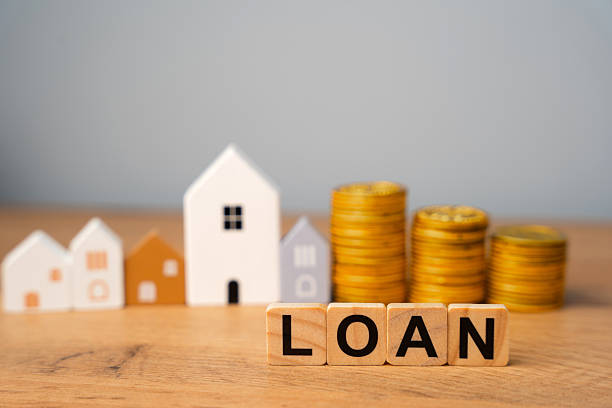
 If you have been struggling to keep up with multiple credit card payments, car loans, or personal loans, you might feel like you are drowning in monthly bills. One common way homeowners try to get control of their finances is by using a second mortgage to consolidate that debt. The idea is simple: you take out a new loan against the equity you have built up in your home, use that money to pay off all your other debts, and then you are left with just one monthly payment instead of many. This can make your financial life a whole lot easier, but it is important to understand exactly how it works before you sign anything.First, let us talk about what a second mortgage actually is. Your first mortgage is the loan you used to buy your home. Over time, as you make payments and as your home value goes up, you build equity. Equity is simply the difference between what your home is worth and what you still owe on your first mortgage. A second mortgage lets you borrow against that equity. It is called a second mortgage because it sits behind your first mortgage. That means if you ever had to sell the home or if something went wrong, the first mortgage gets paid off first, and then the second mortgage gets paid next. Because the second mortgage is in second place, lenders view it as a bit riskier, so the interest rate is usually higher than your first mortgage rate but still much lower than credit card interest rates.When you use a second mortgage for debt consolidation, you are essentially replacing high-interest debts with a lower-interest loan. For example, if you have ten thousand dollars in credit card debt with an interest rate of eighteen percent, and you take out a second mortgage at eight percent, you could save a lot of money over time. Plus, you will only have to make one payment each month to the second mortgage lender instead of mailing checks to a dozen different credit card companies. That can be a huge relief for your monthly budget and your stress level.There are two main types of second mortgages that people use for debt consolidation. The first is a home equity loan, which gives you a lump sum of cash all at once. You get the money, pay off your debts, and then you start making fixed monthly payments on the loan for a set number of years, usually five to fifteen. This is great if you want a predictable payment and you know exactly how much debt you need to pay off. The second type is a home equity line of credit, often called a HELOC. With a HELOC, you get a credit limit, and you can borrow what you need as you go, like using a credit card. You only pay interest on the amount you actually use. Some people like this option because they can pay off debts gradually or keep the line open for future emergencies. But for pure debt consolidation, a lump sum home equity loan is often a better fit because it forces you to close all those credit card accounts and stop racking up new debt.Of course, there are some important things to watch out for. The biggest one is that your home is on the line. When you take out a second mortgage, you are using your house as collateral. That means if you fall behind on payments, the lender could take your home. So you absolutely must be sure that you can afford the new monthly payment. You also need to factor in closing costs. Just like your first mortgage, a second mortgage usually has fees for appraisals, title searches, and paperwork. These costs can add up to a few thousand dollars, so make sure you shop around and compare offers from different lenders.Another thing to think about is the length of the loan. If you consolidate credit card debt, which you might have paid off in three or four years, into a second mortgage that lasts ten or fifteen years, you will be paying for that debt much longer. Even though your monthly payment is lower, you might end up paying more total interest over time. The key is to use the extra cash flow from the lower payment to pay off the second mortgage faster, or at least to avoid taking on new debt.Finally, consider your credit score. If your credit is good, you will qualify for a better interest rate. If your credit is poor, the rate on a second mortgage might still be lower than credit card rates, but not by much. It is always a good idea to check your credit report before you apply and to see if you can improve your score a little.In the end, debt consolidation with a second mortgage can be a smart move if you have steady income, enough equity in your home, and a plan to stay out of new debt. It simplifies your payments, lowers your interest rate, and can help you get back on track. Just remember that you are trading unsecured debt for secured debt, so you need to take it seriously. Talk to a lender, crunch the numbers, and decide if this is the right step for your family.
If you sell your house, the proceeds from the sale must be used to pay off your primary mortgage first, then your Home Equity Loan or HELOC balance. Any remaining funds belong to you. If the sale price doesn’t cover the debts, you may face a short sale or foreclosure.
By law, your old servicer must forward that payment to the new servicer or return it to you.
They are not allowed to hold onto it. However, this can cause a delay.
To avoid late fees, always make payments to the servicer listed on your most recent statement.
A third mortgage should be an absolute last resort, considered only after exhausting all other alternatives and only if you have a stable, high income and a clear ability to repay the debt. The high cost and severe risk of losing your home make it a dangerous financial product for most borrowers. Consulting with a financial advisor is strongly recommended before proceeding.
The homebuyer and their real estate agent are the primary participants in the final walkthrough. The seller’s agent may also be present to facilitate access and address any issues. It is uncommon for the seller to be present, as this is your time to inspect their former home objectively.
The two most common types are a traditional second mortgage (a lump-sum loan with a fixed or variable rate) and a Home Equity Line of Credit (HELOC), which operates like a revolving credit account you can draw from as needed.