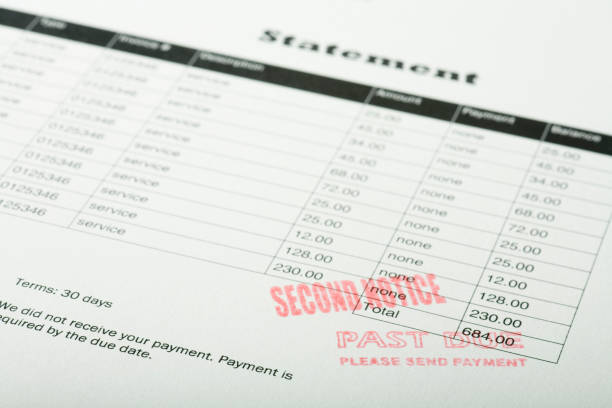
 If you are getting ready to apply for a home loan, your credit score is one of the main numbers a lender will look at. A higher score usually means a lower interest rate, which saves you thousands of dollars over the life of the loan. But what if your score is lower than it should be because of a mistake on your credit report? This happens more often than most people realize. Studies from consumer groups show that one in five credit reports contains an error that could hurt your score. For a homeowner trying to qualify for a mortgage, a simple error can mean the difference between getting approved at a good rate or being turned down.Credit reports are maintained by three major bureaus: Equifax, Experian, and TransUnion. Each one keeps a file on you that includes your payment history, how much you owe, how long you have had credit, and any public records like bankruptcies or foreclosures. Lenders pull these reports when you apply for a mortgage. The problem is that the bureaus rely on information sent to them by banks, credit card companies, collection agencies, and other data furnishers. Mistakes happen. A payment that you made on time might be reported as late. A debt you paid off might still show as open. Or worse, someone else’s account might end up on your report because of a similar name or a clerical mix-up.The first step to protecting your mortgage plans is to check your credit reports regularly. By law, you are entitled to one free copy from each major bureau every twelve months. You can get them through AnnualCreditReport.com, the only official site authorized by the federal government. Do not pay for a credit monitoring service if you just want to see your reports. Use the free option. Order all three reports at once, or stagger them throughout the year so you can check for errors more frequently. Once you have the reports, read every line. Look for accounts you do not recognize, incorrect balances, payment statuses that are wrong, or negative items that are older than seven years. Pay special attention to the section titled “Accounts in Good Standing” and “Negative Accounts.“ Any mistake in these areas can bring your score down.If you find an error, you have the right to dispute it with the credit bureau that issued the report. The process is straightforward, but it requires some patience. Start by gathering any proof you have, such as bank statements, payment confirmations, or letters from a creditor showing that a debt is paid. Write a letter to the bureau explaining exactly what is wrong. Include copies of the evidence, not the originals. Keep a copy for yourself. Mail the dispute using certified mail so you have proof of delivery. The bureau must investigate your claim within thirty days. During that time, they will contact the company that provided the faulty information. If the company cannot verify the item, the bureau must remove it from your report.Sometimes the error comes not from the bureau but from the lender or collection agency that gave them the information. In that case, you should contact the data furnisher directly. Write a similar letter explaining the error and include your proof. By law, the company must investigate and correct any mistake. If they do not, you can ask the bureau to put a note on your report stating that you dispute the item. That note will help when a mortgage underwriter reviews your file. Most lenders will take the note into account and may give you extra time to resolve the issue.Timing is critical when you have a mortgage application pending. A credit dispute can take weeks, and you do not want to stall your home purchase. If you are shopping for a loan, start checking your credit reports at least three to six months before you plan to apply. That gives you enough time to find errors, file disputes, and wait for the corrections to show up. Lenders use your most recent credit report, so you want any fixes to be already reflected before the underwriter sees it. If a dispute is still open when you apply, tell your loan officer. They can work with you, but it helps to have a clean report from the start.Beyond errors, there are other ways your credit score can improve before a mortgage application. Paying all bills on time, keeping credit card balances low, and avoiding new credit accounts in the months before you apply will help. But none of that matters if a false late payment or an old collection account is dragging your score down unfairly. For homeowners, a 30-point jump from removing a small error can mean a lower interest rate and hundreds of dollars in monthly savings. That is why checking and fixing your credit report is one of the most powerful steps you can take in your personal finance preparation.Remember, credit bureaus are not perfect. They process millions of pieces of data every day, and mistakes slip through. You are the only one who will catch those mistakes. By taking the time to review your reports, dispute errors, and follow up until they are fixed, you put yourself in a stronger position when you walk into a lender’s office. A clean, accurate credit report is your best tool for getting the mortgage you deserve.
As a homeowner, you are responsible for all utilities, which may include some you didn’t pay before. Common utilities: Electricity, gas, water, sewer, trash/recycling. Potential new costs: Lawn care, snow removal, pest control, and higher heating/cooling costs for a larger space.
Debt consolidation with a second mortgage involves taking out a new loan—such as a Home Equity Loan or Home Equity Line of Credit (HELOC)—using your home’s equity. You then use this lump sum of cash to pay off multiple, high-interest debts (like credit cards or personal loans). This process consolidates several monthly payments into a single, more manageable mortgage payment.
The mortgage interest tax deduction allows homeowners who itemize their deductions on their tax return to deduct the interest paid on a loan used to buy, build, or substantially improve a qualified home. This reduces your taxable income, which can lower your overall tax bill.
You should proactively check your credit reports from all three bureaus (Equifax, Experian, and TransUnion) at least once a year. You can do this for free at AnnualCreditReport.com. When preparing for a major loan like a mortgage, it’s wise to check your reports 6-12 months in advance to give yourself time to dispute errors and make improvements.
You lock your rate by getting a formal, written confirmation from your lender. This is often called a “Lock-In Agreement” or “Rate Lock Commitment.“ It should detail the locked interest rate, the points, the lock expiration date, and the property address. Never consider a rate locked based on a verbal promise alone.