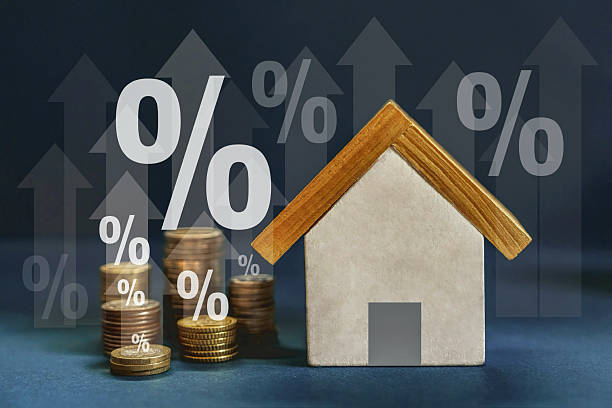
 Inflation, the sustained increase in the general price level of goods and services, acts as a powerful economic force that profoundly reshapes the landscape of the housing market and directly impacts the dynamics of your mortgage. Its effects are multifaceted, creating a complex environment where potential homebuyers, current homeowners, and investors must navigate shifting tides. Understanding this relationship is crucial for making informed financial decisions in any economic climate.The initial and most visible impact of rising inflation on the housing market is often on home prices themselves. As the cost of construction materials, labor, and land escalates, the fundamental expense of building new homes increases, which constrains supply and pushes prices upward. Furthermore, during periods of high inflation, tangible assets like real estate are frequently viewed as a hedge against the eroding value of currency. This perception can increase demand from investors, creating additional upward pressure on housing prices. Consequently, for prospective buyers, inflation can erect a significant barrier to entry, making homeownership feel increasingly out of reach as savings for a down payment struggle to keep pace with appreciating home values.However, the most critical mechanism through which inflation influences both the market and individual mortgages is the response of central banks, such as the Federal Reserve. To combat rising inflation, the Fed typically raises its benchmark interest rate. This action has a direct and powerful effect on mortgage rates. Lenders, facing higher borrowing costs themselves, increase the interest rates on new fixed-rate mortgages to maintain their profit margins. As mortgage rates climb, the monthly cost of financing a home rises sharply. This reduces the purchasing power of buyers, as the same monthly budget secures a smaller loan amount. The resulting cooling of demand can eventually slow the rapid price appreciation, potentially leading to a more balanced or even declining market in some areas, though high rates often lock many out entirely.For existing homeowners with a fixed-rate mortgage, the impact of inflation presents a paradoxical silver lining. Your principal and interest payment remains unchanged, a stable cost in a sea of rising prices for other goods like groceries and fuel. In effect, you are repaying your loan with dollars that are worth less than when you borrowed them, which can be financially advantageous. Furthermore, if your income keeps pace with or exceeds inflation, your housing cost becomes a smaller relative portion of your budget over time. For those with variable-rate mortgages or home equity lines of credit (HELOCs), the scenario is riskier, as these interest rates typically adjust upward in tandem with the Fed’s hikes, leading to increased monthly payments.The rental market also feels inflation’s sting, as landlords seek to cover their rising costs, including property taxes, maintenance, and any adjustable-rate financing, by increasing rents. This can trap aspiring buyers in a cycle where saving becomes harder even as home prices moderate, because their monthly rental expense is also climbing. Ultimately, inflation creates a period of heightened uncertainty and recalibration in the housing sector. It rewards some homeowners with locked-in, low-rate debt and rising equity, while simultaneously punishing new entrants with higher borrowing costs and challenging affordability. Navigating this environment requires a clear understanding of your personal financial position, the type of mortgage you hold or seek, and a long-term perspective on the enduring value of a home beyond temporary economic cycles.
A BPO, or Broker’s Price Opinion, is a less expensive alternative to a full appraisal that an agent or broker performs to estimate your home’s value. Some lenders may allow a BPO instead of an appraisal when you request PMI removal based on increased value.
A government-backed loan is a mortgage that is insured or guaranteed by a federal agency. This reduces the risk for the private lender that issues the loan, allowing them to offer more favorable terms to borrowers who might not qualify for conventional financing. The three main types are FHA (Federal Housing Administration), VA (Department of Veterans Affairs), and USDA (U.S. Department of Agriculture).
Yes, you can. The process typically involves applying for the mortgage and, if approved, you will be required to open a membership account (usually a small savings account with a minimal deposit, often $5-$25) to fund the loan. The mortgage application itself can often be started before formal membership is established.
PMI is insurance that protects the lender if you default on your loan. It is typically required on conventional loans when your down payment is less than 20%. The cost is added to your monthly mortgage payment. Once you reach 20% equity in your home, you can usually request to have PMI removed.
Yes, it is perfectly legal. You are not legally bound to a lender until you have signed the final closing documents. You have the right to shop for the best mortgage terms for your situation, even after an offer is accepted.