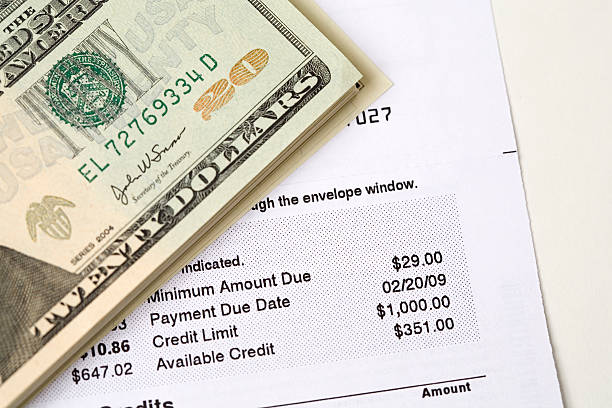
 The presence of negative information on a credit report is a common source of anxiety for consumers, as it directly impacts credit scores and the ability to secure loans, housing, and sometimes even employment. Understanding the lifespan of such information is crucial for financial planning and recovery. In the United States, the duration negative items remain on your credit report is primarily governed by the Fair Credit Reporting Act (FCRA), which sets clear, legally mandated time limits for most derogatory marks. Generally, the standard period is seven years, but significant exceptions exist, particularly for certain types of bankruptcy.The seven-year rule applies to a wide array of common negative entries. This includes late payments, charge-offs, accounts sent to collections, foreclosures, and repossessions. The timeframe begins from the date of the initial delinquency that led to the negative status—specifically, the date of the first missed payment that was never brought current. For instance, if you miss a credit card payment in January 2024 and never catch up, leading the account to be charged off in July 2024, the seven-year clock starts from that original January 2024 delinquency. It will then typically fall off your report in early 2031. It is important to note that the impact of these items on your credit score diminishes over time, especially if you begin to establish a consistent history of positive credit behavior.Bankruptcies, however, are treated differently and represent the major exception to the standard timeline. A Chapter 13 bankruptcy, which involves a court-approved repayment plan, will remain on your credit report for seven years from the filing date. A Chapter 7 bankruptcy, which involves liquidating assets to discharge debts, stays on your report for a full ten years from the filing date. These lengthy periods reflect the severe nature of bankruptcy in the eyes of lenders. Tax liens and judgments, while historically difficult to remove, now generally follow the seven-year rule if they are paid. Unpaid judgments may remain longer, though rules have been tightened to ensure they do not persist indefinitely.A critical distinction exists between the terms “credit report” and “credit score.“ The FCRA dictates how long information can be reported, but scoring models, like FICO and VantageScore, have their own complex algorithms that weigh recent information more heavily. Therefore, a five-year-old collection account, while still visible, will hurt your score far less than a collection account from last month. This gradual lessening of impact underscores the value of time and positive new habits in credit repair. Furthermore, there is a pervasive myth that negative information remains for a decade; this confusion often stems from the ten-year rule for Chapter 7 bankruptcy, but it is not the standard for most other entries.While waiting for items to age off is one strategy, proactive steps can be taken. You have the right to dispute inaccurate or unverifiable information with the credit bureaus, and if the furnisher cannot confirm the data, it must be removed. Paying off a delinquent debt is often advisable, but be aware that the negative history of the account will not disappear; it will simply be updated to show a “paid” status, and the seven-year clock does not restart. The most powerful tool for rebuilding credit is to consistently add positive information by using new credit responsibly—making all payments on time, keeping credit card balances low, and avoiding applying for too much new credit at once. This creates a counter-narrative that lenders will notice.In conclusion, the journey to credit recovery is a marathon, not a sprint. Most negative information is legally required to be purged from your credit report after seven years, with bankruptcies lasting seven to ten years. This framework provides a clear, if sometimes lengthy, path to a fresh start. By regularly reviewing your credit reports for accuracy, practicing disciplined financial habits, and understanding that the sting of past mistakes fades with time, you can navigate past negative entries and work toward a stronger financial future.
Yes, this is possible but can be complex. A buyer can use a second mortgage or “piggyback loan” to cover part of the equity gap, reducing the amount of cash needed at closing. However, not all lenders offer these for assumptions, and the combined loan-to-value ratio must meet the second lender’s requirements.
If you default, the third mortgage lender can initiate foreclosure proceedings. However, because they are in third position, they are last in line to receive proceeds from the forced sale of the home. If the sale doesn’t generate enough money to pay off all three loans, the third mortgage lender loses their money. This is why they are so cautious.
Yes, many state and local governments, as well as non-profit organizations, offer closing cost assistance programs for first-time or low-to-moderate-income homebuyers. These are often grants or low-interest loans.
You must ask the seller or their real estate agent directly. They should know the type of loan they have. The listing may even advertise “Assumable Mortgage” as a key feature to attract buyers.
A government-backed loan is a mortgage that is insured or guaranteed by a federal agency. This reduces the risk for the private lender that issues the loan, allowing them to offer more favorable terms to borrowers who might not qualify for conventional financing. The three main types are FHA (Federal Housing Administration), VA (Department of Veterans Affairs), and USDA (U.S. Department of Agriculture).