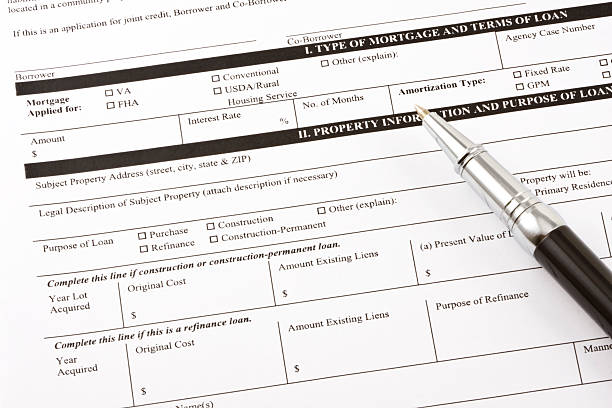
 When you start looking for a mortgage, you might hear about working with a mortgage broker. Many homeowners wonder how these brokers make money and whether it costs them anything extra. The truth is that mortgage brokers are paid in a few different ways, and understanding these can help you decide if using one is the right choice for you.Most mortgage brokers do not charge you directly for their services. Instead, they are paid by the lender who ends up giving you the loan. When a broker finds a mortgage for you, the lender pays the broker a fee, often called a commission. This fee is usually a small percentage of the total loan amount. For example, if you borrow two hundred thousand dollars and the lender pays a one percent commission, the broker gets two thousand dollars. That money comes from the lender, not from your pocket. This means you can get help finding a mortgage without having to pay anything upfront.However, sometimes a broker may charge you a fee directly. This can happen if you are applying for a loan that is more complicated or if you have a lower credit score. The broker might charge a small flat fee, like a few hundred dollars, for processing your application. In other cases, the broker might offer to reduce the lender’s commission and instead ask you to pay a small amount. This is called a broker fee or a borrower-paid compensation. It is important to ask your broker upfront how they get paid. A good broker will be happy to explain it clearly. Always get the details in writing so you know exactly what you might owe.Another way brokers earn money is through something called a yield spread premium. This sounds technical, but it is simple. When you choose a mortgage rate, the lender offers different rates. A higher rate might come with a bigger commission for the broker. Some brokers might push you toward a slightly higher rate because they get paid more. But honest brokers will show you all your options and let you decide. You can always ask to see a comparison of rates and fees from different lenders. This way you can see exactly how the broker’s pay changes with each choice.Now, what about mortgage aggregators? You might not hear this term as often, but it is important. An aggregator is like a big company that helps smaller mortgage brokers work with many lenders. These aggregators have relationships with dozens or even hundreds of banks and credit unions. They make it possible for a single broker to offer you loans from many different places. Aggregators also handle a lot of the paperwork and compliance for the broker. How do aggregators get paid? They take a small slice of the commission that the lender pays to the broker. So when you work with a broker, part of the money the lender pays goes to the aggregator. This system allows brokers to compete with big banks because they can offer you a wide range of loan options.Some homeowners worry that using a broker might cost them more in the long run. But studies have shown that borrowers who use a broker often get better rates and lower fees than those who go directly to a bank. This is because brokers have access to multiple lenders and can shop around for you. They also know which lenders are offering special deals. The key is to choose a broker who is transparent about their pay. A trustworthy broker will give you a disclosure called a loan estimate that shows all the costs, including how the broker is paid. You can compare this to offers from other lenders.In summary, mortgage brokers are paid by lenders most of the time, but sometimes you might pay a small fee directly. Aggregators help brokers by connecting them to many lenders and taking a small share of the commission. The most important thing is to ask questions and read all the paperwork. You should never feel pressured to go with a certain rate or lender. A good broker works for you, not for the lender. By understanding how they get paid, you can make a smarter choice and save money on your home loan.
Loan amortization is the process of paying off your debt through regular, scheduled payments over time. In the early years of your mortgage, a larger portion of each payment goes toward interest. As the loan matures, a progressively larger portion goes toward paying down the principal. Understanding amortization helps you see why extra payments early in the loan term have such a powerful impact on total interest saved.
Strong employment data (e.g., low unemployment, high job growth) suggests a healthy economy with higher consumer spending power. This can lead to increased demand for homes, potentially pushing prices up. However, a very strong labor market can also fuel inflation concerns, prompting the Fed to consider raising interest rates, which in turn can cause mortgage rates to rise.
Yes, some third-party fees are generally non-negotiable because the lender does not control them. These include appraisal fees, credit report fees, title insurance, and government recording fees. However, the lender’s own fees—such as origination, application, and underwriting fees—are often open for discussion.
A Loan Estimate is a standardized, three-page form that you receive after applying for a mortgage. It provides key details about the loan you’ve applied for, including the estimated interest rate, monthly payment, total closing costs, and other critical loan features. Its purpose is to help you understand the offer and compare it to loans from other lenders.
Yes, qualifying is very difficult. Lenders have stringent requirements, including:
Excellent credit score (often 700 or higher).
Low debt-to-income (DTI) ratio, despite the existing mortgage payments.
A proven history of making all mortgage payments on time.
Significant verifiable equity in the property.