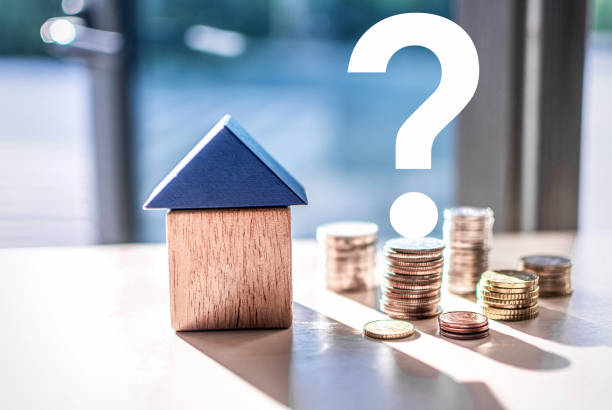
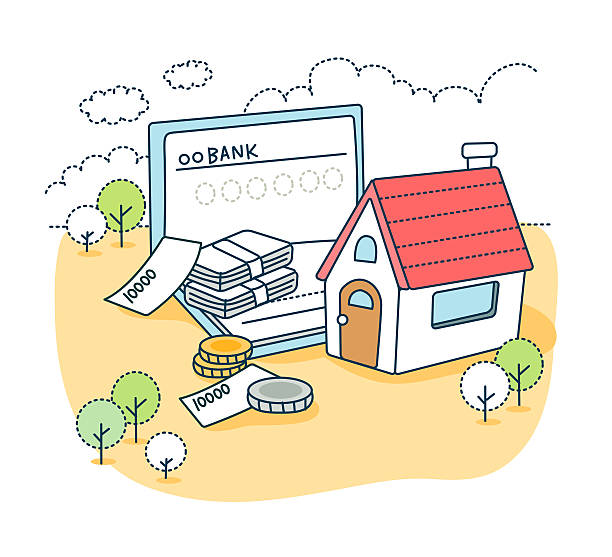
 When you own a home, you build equity over time as you pay down your mortgage and as your property value rises. That equity is your financial cushion. But it can also feel like a pile of cash sitting there, tempting you to tap into it. Many homeowners consider a home equity loan, sometimes called a second mortgage, to pay for big expenses like home repairs, college tuition, or even to consolidate credit card bills. Before you sign on the dotted line, it is important to understand exactly how this loan changes your overall debt load. It is not just about getting extra money; it is about adding a new, long-term payment on top of what you already owe.First, let’s look at the simple math. You already have a first mortgage. That is the loan you used to buy the house. A home equity loan is a separate loan that sits in second place. You borrow a lump sum, and you pay it back in fixed monthly payments over a set term, usually ten, fifteen, or twenty years. If you already have a $200,000 first mortgage and you take out a $40,000 home equity loan, your total mortgage debt instantly becomes $240,000. That is a $40,000 increase in the amount you owe. It sounds straightforward, but the real impact goes deeper than just the new number.Your monthly payments will go up. Your first mortgage payment stays the same, but now you have an extra payment on top of it. If the home equity loan payment is $400 a month, your total housing debt payment jumps by that amount. That means less room in your monthly budget for groceries, utilities, savings, or emergencies. If your income stays the same, a higher debt payment can stretch your finances thin. Many people underestimate how that extra payment adds up year after year. Over the life of a fifteen-year home equity loan, you will pay not only the $40,000 principal but also thousands in interest, depending on your interest rate. So the total cost of that new debt is significantly higher than the amount you borrow.Another big factor is interest rates. Home equity loans often have higher interest rates than first mortgages because the lender takes on more risk. If you have a first mortgage at 4% and a home equity loan at 8%, the new loan is costing you twice as much in interest per dollar borrowed. That higher rate increases the speed at which your total debt grows when you carry a balance. If you use the loan to pay off credit cards that had an 18% rate, you might think you are saving money. And you could be – but only if you do not run up the credit cards again. Too many homeowners consolidate debts with a home equity loan, then charge up the cards again, ending up with even more total debt than when they started. You have simply moved the debt from one place to another, added a new monthly payment, and stretched out the repayment time.There is also the issue of time. A home equity loan is not a short-term fix. You are committing to paying it off over many years. If you are ten years into your first mortgage, and you add a twenty-year home equity loan, you will be making mortgage payments for thirty years total. That longer timeline means you are carrying debt further into the future. It delays the day when you own your home free and clear. Every dollar you pay in interest on the home equity loan is a dollar you cannot put toward retirement, your children’s education, or building savings. So the impact on your overall debt load is not just about today’s balance – it is about the opportunity cost of that extra debt for years to come.One more thing to consider is how a home equity loan affects your debt-to-income ratio, which lenders look at if you ever need another loan like a car loan or a credit card. That ratio compares your total monthly debt payments to your monthly income. Adding a home equity loan payment increases that ratio. A higher ratio means you have less borrowing power in the future. If you need to buy a car or take out a personal loan for an emergency, a high debt-to-income ratio can make it harder to qualify, or you might get stuck with a higher interest rate. So the debt load from a home equity loan can ripple into other parts of your financial life.Finally, think about what happens if your home value drops. Your first mortgage stays the same, but your equity shrinks. If you have a home equity loan on top of that, you could end up owing more than your house is worth. That is called being underwater or upside down. If that happens, you cannot sell the house without bringing cash to the closing table. You cannot refinance your first mortgage easily. Your debt load becomes a trap. This is a real risk that many homeowners ignore when they are focused on the immediate cash.Taking out a home equity loan adds a second mortgage payment, increases your total amount owed, stretches your repayment timeline, and raises your overall monthly obligations. It can make sense in certain situations, but it always increases your total debt load. The key is to go in with open eyes, understand the full cost over time, and make sure you can handle that extra weight for years to come. Do not let the equity in your house fool you into thinking the money is free. It is a loan, and like any loan, it adds to what you owe.
If your down payment is less than 20% on a conventional loan, you will typically have to pay PMI. Ask about the monthly cost and how you can eventually have it removed once you reach 20% equity in the home.
An application can be denied for several reasons, including a low credit score, a high Debt-to-Income (DTI) ratio, unstable employment history, an insufficient down payment, issues with the property’s appraisal, or new debt taken on during the application process.
You have specific rights under the Consumer Financial Protection Bureau’s (CFPB) Mortgage Servicing Rules.
Key rights include receiving a 15-day notice, a 60-day grace period where a late fee cannot be charged for a payment sent to the old servicer, and ensuring your credit report is not negatively impacted by a transfer-related error.
Congratulations! With your largest monthly expense gone, you can:
Supercharge your retirement and investment accounts.
Save for other large goals, like college funds or a vacation property.
Build a more substantial cash cushion.
Enjoy the financial security and peace of mind that comes with owning your home free and clear.
Several factors influence the specific rate, including:
Loan Type: Jumbo loans or niche products may have different compensation structures than conventional loans.
Loan Officer Experience and Production Volume: High-performing LOs often negotiate better rates.
Lender Type: Banks, credit unions, and independent mortgage brokers have different operating models and comp plans.
Loan Profitability: The interest rate and fees charged on the loan can impact the commission.