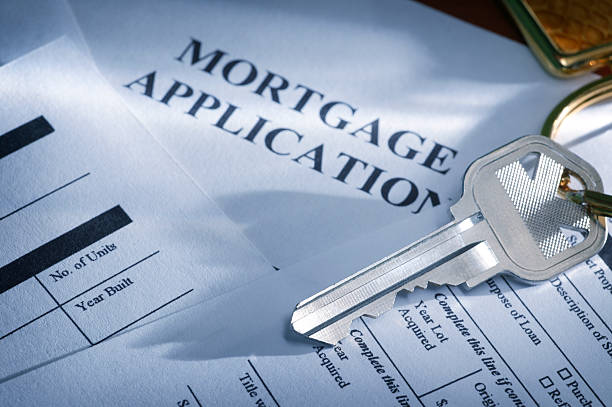
 You might hear news reports about the Federal Reserve raising or lowering interest rates, and then you see mortgage rates move up or down too. It can feel like a mysterious link, but it is actually pretty simple once you understand the basic connection. The Federal Reserve, often called the Fed, is the central bank of the United States. It does not set mortgage rates directly, but its actions have a huge influence on them. Knowing how this works can help you make better decisions when you are shopping for a home loan or thinking about refinancing.The Fed’s main tool for managing the economy is the federal funds rate. This is the interest rate that banks charge each other for very short term loans, usually overnight. When the Fed raises or lowers that rate, it sends a ripple through the entire financial system. Banks and lenders use the federal funds rate as a benchmark. If the Fed makes it more expensive for banks to borrow money from each other, those banks will pass that cost on to their customers. That includes the rates they charge for mortgages, credit cards, car loans, and other types of borrowing.Mortgage rates, especially for fixed rate loans, are not directly tied to the federal funds rate. Instead, they track something called the yield on long term government bonds, particularly the ten year Treasury note. But the Fed’s actions influence those yields too. When the Fed raises short term rates, it often signals that it is worried about inflation or that the economy is growing too fast. Investors react by expecting higher returns on longer term bonds, which pushes yields up. Since mortgage lenders set their rates based on what those bonds are paying, mortgage rates tend to rise as well. On the flip side, when the Fed cuts rates to stimulate a slow economy, bond yields usually fall, and mortgage rates follow.It is important to remember that the Fed does not control mortgage rates directly. The actual rate you are offered will depend on many other factors, like your credit score, your down payment, the type of loan you choose, and general market conditions. But the Fed’s decisions set the overall direction. For example, in periods when the Fed is aggressively raising rates to fight high inflation, mortgage rates tend to rise sharply. Homeowners who have variable rate mortgages or adjustable rate mortgages can feel that impact quickly because their rates reset based on short term indexes that are closely tied to the Fed’s rate.For a regular homeowner, the most practical thing to understand is timing. If you hear that the Fed is planning to raise rates, it might be a good time to lock in a fixed rate mortgage if you are buying or refinancing. Waiting could mean paying a higher rate a few months later. On the other hand, if the Fed is signaling that it will cut rates, you might want to hold off and see if mortgage rates drop further. But you should never try to time the market perfectly. Economic conditions can change fast, and even experts get it wrong.Another key connection is inflation. The Fed raises rates specifically to cool down inflation. When inflation is high, the purchasing power of your dollar goes down, and lenders need higher interest rates to make up for that loss over time. That is why mortgage rates often climb when inflation is running hot. On the opposite side, when inflation is low and stable, mortgage rates tend to be lower. So if you are tracking mortgage rates, keep an eye on inflation reports like the Consumer Price Index. Those numbers give you a clue about what the Fed might do next.Employment numbers also matter. The Fed has a dual mandate: keep prices stable and promote maximum employment. When jobs are plentiful and wages are rising, the economy is strong, and the Fed may raise rates to prevent overheating. When unemployment is high, the Fed lowers rates to encourage borrowing and spending. So a strong jobs report can push mortgage rates up, while a weak one can push them down.The bottom line for you as a homeowner or potential buyer is that the Fed’s decisions are a major force behind mortgage rate movements. You do not need to become an economist to benefit from this knowledge. Just pay attention to the headlines when the Fed meets, which happens eight times a year. Look for words like “hike,” “cut,” or “hold steady.” And remember that mortgage rates are forward looking. They can move up or down before the Fed even makes a move, based on what investors expect will happen. So the best strategy is to stay informed, work with a trusted mortgage professional, and make your decision based on your own financial situation, not on trying to predict the next rate change.Understanding this connection takes some of the mystery out of mortgage shopping. Instead of feeling like rates are random, you will see them as part of a bigger economic picture. That can give you confidence when you decide to buy, refinance, or wait for a better opportunity.
The fundamental difference lies in whether the loan meets the specific guidelines set by the government-sponsored enterprises (GSEs) Fannie Mae and Freddie Mac. A conforming loan “conforms” to these standards, including maximum loan amount, borrower credit score, and debt-to-income ratios. A non-conforming loan does not meet one or more of these criteria and cannot be purchased by Fannie Mae or Freddie Mac.
These loans are designed for substantial projects that increase the property’s value, such as:
Kitchen or bathroom remodels
Adding or replacing roofing, siding, or windows
Room additions or finishing a basement
HVAC, plumbing, or electrical system updates
Addressing health and safety issues
Making accessibility improvements (e.g., adding ramps)
Landscaping and hardscaping (with some loan types)
New construction on an existing property
Your credit score is a primary factor in determining your mortgage rate. Generally:
Higher Credit Score: Indicates you are a lower-risk borrower, which qualifies you for a lower interest rate.
Lower Credit Score: Suggests a higher risk to the lender, which results in a higher interest rate to offset that risk. Even a small difference in your score can significantly impact the rate you’re offered.
Yes, recasting has some limitations:
Large Upfront Cash: It requires a significant amount of cash on hand for the lump-sum payment.
Not All Loans Qualify: Government-backed loans like FHA and VA are often ineligible, and some lenders may not offer the service at all.
No Rate or Term Change: It does not allow you to change your interest rate or shorten your loan term.
Limited Long-Term Savings: While it reduces your monthly payment, the long-term interest savings are less than if you applied the same lump sum without a recast and continued making your original payment.
First-time homeowners often underestimate utilities that were previously included in rent. Be sure to account for:
Water and Sewer
Trash and Recycling Collection
Natural Gas or Propane
Increased electricity usage (for a larger space)