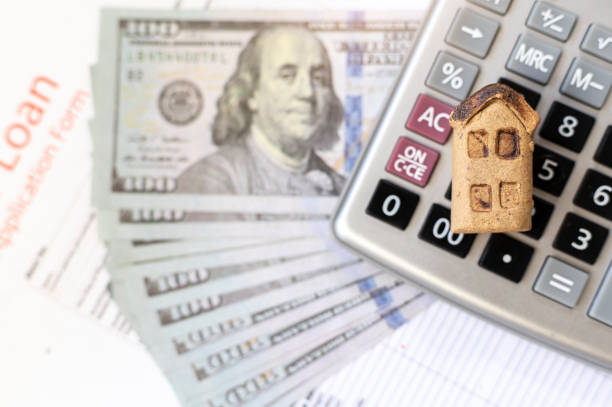
 When you are shopping for a mortgage, you want to work with a lender you can count on. Reading online reviews is one of the first steps many homeowners take. But not every review you see is honest. Some lenders pay for glowing reviews, and some competitors post fake negative ones. Learning how to tell the difference can save you time, money, and a lot of headaches down the road.The first red flag is the language used in the review. Real reviews from actual homeowners tend to be specific. They mention names of loan officers, details about the process, and numbers like interest rates or closing timelines. A fake review often sounds too perfect. It might say things like “best lender ever” or “smooth experience from start to finish” without giving any real facts. If you see a review that could apply to any lender anywhere, treat it with caution.Another clue is the reviewer’s profile. On sites like Google, Yelp, or the Better Business Bureau, look at how many reviews that person has written. Someone who only has one review and it’s a five‑star rave for a mortgage lender might be a paid reviewer. Likewise, a reviewer who has written dozens of one‑star complaints about different lenders but no positive reviews anywhere could have an agenda. Legitimate homeowners usually have a mix of reviews for various businesses, not just mortgage companies.Timing matters too. If you see a sudden burst of five‑star reviews all posted within a few days or weeks, that is a strong sign the lender asked for them or even paid for them. Real customer feedback spreads out over time. People do not all decide to write a review on the same Tuesday. The same goes for a sudden flood of negative reviews. A competitor might have hired a service to post them. Check the dates. If the pattern looks unnatural, dig deeper.Look for reviews that mention a specific problem and how it was resolved. A fake positive review rarely includes any hardship. A fake negative review often attacks the lender in a vague, angry way without explaining what went wrong. Genuine homeowners may complain about a delay or a miscommunication, but they usually describe the issue clearly. They might say “our closing was pushed back two weeks because the underwriter needed more documents” rather than “this lender is a scam, stay away.” The difference is detail.Also, pay attention to the language and grammar. While not everyone writes perfectly, fake reviews often use very similar phrasing. You might notice that several reviews use the same words or sentence structure. Some review farms copy and paste text. If you read ten reviews and they all sound like they were written by the same person, they probably were. Copy a sentence from a suspicious review and paste it into a search engine. If the same sentence shows up in other reviews for different companies, you have found a fake.The source of the review matters too. A lender’s own website may only show curated testimonials. Those are almost always positive because the lender picks the best ones. Third‑party sites like Bankrate, Consumer Affairs, or Zillow have more neutral ground, but even they can be gamed. The Better Business Bureau is generally more reliable because they verify complaints and let companies respond. But even there, a string of five‑star ratings with no complaints could be suspicious if the lender is new or has a very small number of reviews.One of the best ways to check a lender’s reputation is to look beyond the star rating. Read the one‑, two‑, and three‑star reviews first. They often contain the most useful information. See if the complaints are about things that matter to you, like slow communication, hidden fees, or poor customer service. Then read the five‑star reviews to see if they address the same kinds of concerns. If a lender has mostly glowing reviews but several one‑star complaints about the same issue, and the positive reviews conveniently ignore that issue, you might be dealing with suppressed negative feedback.Another practical step is to search the lender’s name along with words like “complaint,” “scam,” or “lawsuit.” Reviews can be manipulated, but legal records and news articles are harder to fake. If you find a pattern of consumer complaints with a government agency like the Consumer Financial Protection Bureau, take that seriously. That is a stronger signal than any star rating.Finally, trust your gut. If a lender’s reviews seem too good to be true, they probably are. The mortgage process is complicated, and no lender is perfect. A few negative reviews are actually a good sign because they show real people are sharing real experiences. A perfect rating should raise suspicion. The same goes for a pile of angry one‑star reviews that all say the same thing without specifics.By slowing down and looking for these signs, you can separate honest feedback from paid promotions or attacks. Your mortgage is one of the biggest financial decisions you will ever make. Spending an extra few minutes scrutinizing reviews is time well spent. The goal is not to find a lender with no bad reviews, but to find a lender that handles problems well and communicates honestly. That kind of reputation shows up in the details of real reviews, not in the perfect scores of fake ones.
The primary advantages are access to large sums of cash at lower interest rates than most credit cards or personal loans, potential tax-deductible interest (if used for investments or home improvements, consult a tax advisor), and the flexibility to use the funds for almost any purpose.
Lenders often set up an escrow account to hold funds for future property-related expenses. At closing, you may need to prepay several months of property taxes and homeowners insurance into this account to ensure there is a cushion to pay these bills when they come due.
Eligibility depends on your specific circumstances and type of loan. Generally, you may be eligible if you have experienced a financial hardship such as job loss, a reduction in income, a medical emergency, or a natural disaster. Borrowers with government-backed loans (like FHA, VA, or USDA loans) often have specific forbearance programs available.
While requirements vary by lender and loan type, most mortgages require, at a minimum:
Dwelling Coverage: Enough to fully rebuild your home at current construction costs.
Liability Coverage: Typically a minimum of $100,000.
Other Structures Coverage: For detached garages or fences, usually 10% of your dwelling coverage.
Personal Property Coverage: For your belongings, often 50-70% of your dwelling coverage.
Loss of Use Coverage: For additional living expenses if you can’t live in your home, usually 20% of dwelling coverage.
No. The APR is an annualized rate that reflects the cost of the loan each year. The total interest paid is the sum of all interest payments over the entire life of the loan, which will be a much larger dollar figure.