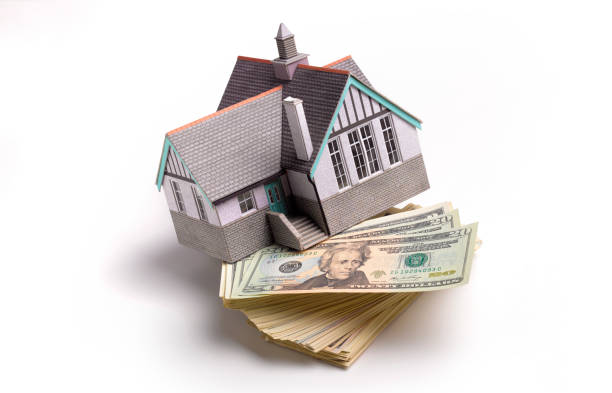
If you have ever dreamed of owning a home in the countryside but worried you could not afford it, a USDA loan might be the answer. The U.S. Department of Agriculture backs these loans, and they are designed specifically for people who want to buy a home in a rural or suburban area. Many homeowners do not realize that USDA loans are not just for farmers or people who work in agriculture. As long as you meet a few basic rules, you can use a USDA loan to buy a modest house with no down payment and a below‑market interest rate. This makes them one of the most affordable options for first‑time buyers and families with steady but moderate incomes.
To understand how a USDA loan works, think of it like a regular mortgage from a bank, but with a special guarantee from the federal government. That guarantee protects the lender if you ever stop making payments. Because the government is backing the loan, the lender can offer you better terms than a conventional mortgage. The biggest advantage is that you do not need to put any money down. Instead of saving thousands of dollars for a 20 percent down payment, you can use a USDA loan to finance the entire purchase price of the home. That alone can make homeownership possible for families who have a reliable paycheck but not a large pile of savings.
Another benefit is the interest rate. USDA loans typically have rates that are lower than what you would get with a conventional loan or even an FHA loan. Lower rates mean your monthly payment stays more manageable, so you have extra money for repairs, utilities, or everyday expenses. The loan also comes with a very reasonable mortgage insurance cost. USDA loans charge an upfront guarantee fee, which is usually rolled into the loan amount, plus a small annual fee that gets split into your monthly payments. Compared to private mortgage insurance on a conventional loan, the USDA fees are often cheaper.
Who qualifies for a USDA loan? The first requirement has to do with location. The home you buy must be in a USDA‑eligible area. These areas are almost everywhere outside big city centers. Even many suburbs qualify as long as the population is under a certain size. The second requirement is income. USDA loans are meant for low‑ to moderate‑income families, so your household income cannot be more than 115 percent of the median income in your area. This limit sounds strict, but in most parts of the country it is high enough to cover families earning a comfortable middle‑class salary. The third requirement is that you must be a U.S. citizen, a permanent resident, or have eligible immigration status. You also need to show that you have a steady job and a reasonable credit history. Even if your credit score is not perfect, USDA lenders often have more flexible standards than conventional banks.
One common myth is that you have to buy a farm or a house on a huge piece of land. That is not true. USDA loans can be used for a standard single‑family home, a townhouse, a condominium, or even a manufactured home, as long as it is on a permanent foundation. You can have a regular yard, a garage, and all the usual features. The only rule is that the property should not have an in‑ground swimming pool or other expensive recreational structures, because the loan is meant for basic housing. Also, the home must be your primary residence. You cannot buy a vacation home or an investment property with a USDA loan.
Applying for a USDA loan is very similar to getting any other mortgage. You go to a lender that is approved to offer USDA loans, fill out an application, and provide documents about your income, debts, and assets. The lender will check your credit and verify that the property is in an eligible area. Then the USDA itself reviews the file and issues a guarantee. The whole process can take a bit longer than a conventional loan because of the extra government step, but many homeowners say it is worth the wait.
Another nice feature is that USDA loans do not have a maximum loan amount set by the government. Instead, the limit is based on what you can afford according to your income and the area’s median home prices. In practice, that means you can borrow enough to buy a comfortable home without being forced into a tiny starter house.
If your income increases after you get the loan, nothing changes. The USDA does not come back and raise your rate or demand extra payments. You keep the low interest rate and the no‑down‑payment terms for the life of the loan. That is a huge relief if you are early in your career and expect your earnings to grow.
For families who want space, quieter neighborhoods, and lower housing costs, USDA loans open a door that might otherwise stay closed. They combine the security of a government‑backed mortgage with the simplicity of no down payment and competitive rates. If you think you might qualify, it is worth talking to a lender who knows the USDA program. The countryside might be closer than you think.