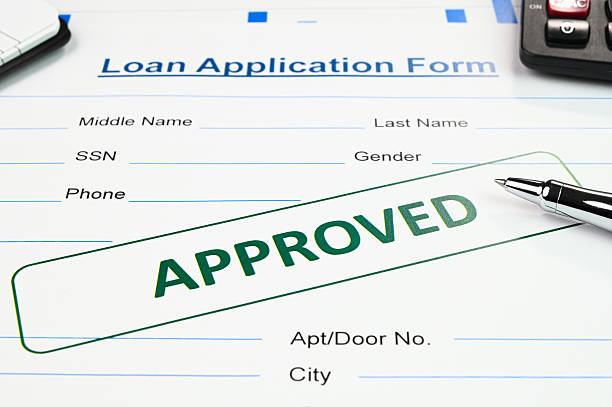
When you start thinking about buying a home, one of the first steps a lender will ask you to take is getting pre-approved. This is not the same as just checking how much you think you can afford. A pre-approval is a written statement from a lender that says they are willing to lend you a certain amount of money to buy a house. To give you that number, they look at several things, but the most important one is your credit score. Understanding how your credit score affects your pre-approval amount can save you a lot of disappointment and help you plan ahead.
Your credit score is a three-digit number that shows lenders how well you have handled borrowed money in the past. It is based on your history of paying bills, credit cards, loans, and other debts. The higher the number, the more trustworthy you look to a lender. Most credit scores range from 300 to 850. A score of 740 or above is generally considered excellent, while anything below 620 is seen as risky. For a mortgage pre-approval, the lender uses this score to decide two key things: whether to lend to you at all, and what interest rate to charge you. Both of those directly shape the pre-approval amount you will receive.
The first way your credit score affects your pre-approval amount is through the interest rate. A higher credit score usually qualifies you for a lower interest rate. Lower rates mean your monthly payment is smaller for the same loan amount. For example, if you have a score of 760, you might get a rate of six percent. On a three-hundred-thousand-dollar loan, that gives you a monthly payment of about one thousand eight hundred dollars. If your score is 620, the rate might be seven and a half percent, making the same loan cost nearly two thousand one hundred dollars each month. Because lenders want to make sure you can afford the payment, they calculate the maximum loan amount based on your income and the expected monthly payment. A lower rate lets you borrow more money because the payment stays manageable. A higher rate means you can borrow less to keep the payment within limits. So even if you earn the same income as someone with a better score, you will likely get a smaller pre-approval amount.
Your credit score also influences whether the lender will pre-approve you at all. If your score falls below a certain threshold, many lenders will simply say no. That threshold varies, but for conventional loans it is often around 620. Government-backed loans like FHA loans may accept scores as low as 580, but they require a larger down payment. If you are denied pre-approval because of your credit score, you get no amount at all. That means you cannot make an offer on a home until you improve your score. Even if you are approved, a low score often triggers extra requirements, such as a higher down payment or mortgage insurance, which reduces the amount you can afford to borrow.
Another factor tied to your credit score is your debt-to-income ratio, which lenders also use to set your pre-approval amount. This ratio compares your monthly debt payments to your monthly income. A low credit score often signals that you carry a lot of debt or have missed payments. Lenders will be stricter with your debt-to-income ratio if your credit score is lower. They may cap the ratio at forty-three percent for someone with a good score but drop it to thirty-six percent for a risky borrower. That lower cap means you have less room to take on a mortgage payment, so your pre-approval amount shrinks.
The best way to get a stronger pre-approval amount is to improve your credit score before you apply. Start by checking your credit reports for free at annualcreditreport.com. Look for errors, like a bill you paid that shows as unpaid, and dispute them. Next, pay all your bills on time, especially credit cards and loans. Even one late payment can drop your score by many points. Keep your credit card balances low, ideally below thirty percent of your credit limit. Do not open new credit cards or take out new loans in the months before you apply, because each new account causes a small temporary dip in your score. Finally, avoid closing old credit cards, because a longer credit history helps your score.
Once you have worked on your score, get pre-approved by a lender. That pre-approval letter tells you exactly how much you can borrow, and it shows sellers that you are serious. It also locks in your interest rate for a short period, usually sixty to ninety days, so you can shop for a home without worrying about rate changes. Remember, the pre-approval amount is not a guarantee that you can afford the monthly payment comfortably. You should still run your own budget to make sure the payment fits your lifestyle.
In the end, your credit score is not just a number. It is the key that unlocks the door to your dream home or leaves it locked. By understanding how it impacts your pre-approval amount, you can take control of your personal finances and put yourself in a stronger position to buy the house you want. Start working on your credit today, even if you think you are months away from buying. The effort will pay off with a bigger pre-approval amount, a lower rate, and a smoother home-buying experience.