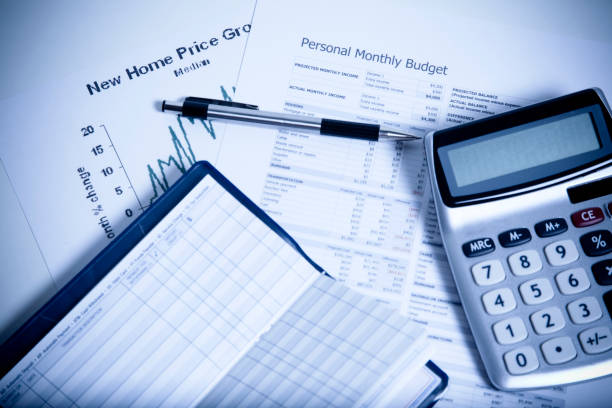
 When you start thinking about buying a home, the down payment is often the number that gets all the attention. You hear that you need ten percent or twenty percent down, and you start saving everything you can. But the truth is, the right down payment for you is not just about a fixed percentage. It is about what you can actually afford without breaking your monthly budget. Understanding how your everyday spending connects to your down payment goal will help you set a realistic target and avoid financial stress later on.Your monthly budget is the key to figuring out how much you can save for a down payment in the first place. Every dollar you earn has a job. Some go to rent, utilities, groceries, transportation, insurance, and debt payments. Some go to things like eating out, subscriptions, or entertainment. The money left over after covering your essential needs and your lifestyle choices is what you can put toward savings. If you want a bigger down payment, you either need to earn more or spend less. Most people have more control over the spending side. Take a hard look at where your money goes each month. Small changes, like cooking at home more often or canceling a streaming service you do not use, can add up to hundreds of dollars extra each month. That extra money can go straight into your down payment savings account.But your monthly budget also affects how big of a down payment you should aim for once you actually buy the home. Many first-time buyers think the larger the down payment, the better. And it is true that a bigger down payment means a smaller loan, lower monthly mortgage payments, and possibly no private mortgage insurance. However, putting too much money down can leave you with no cash cushion. If you drain your savings to put twenty percent down, you might struggle to handle an unexpected repair, a job loss, or a medical bill. That is why you need to balance your down payment amount with the money you keep in reserve.A good rule of thumb is to have at least three to six months of living expenses saved in an emergency fund before you buy a home. This money should be separate from your down payment. Once you have that safety net, you can decide how much of your remaining savings to put toward a down payment. Your monthly budget after you buy the home will also change. Your mortgage payment, property taxes, homeowners insurance, and maintenance costs will replace what you used to pay in rent. You need to run the numbers to see what monthly payment you can comfortably handle. Lenders use a debt-to-income ratio to check this, but you know your own spending habits better than any formula. If you typically spend a lot on hobbies or travel, make sure your mortgage payment leaves room for those things. Do not stretch yourself so thin that you cannot enjoy life.Another piece of the puzzle is how long you are willing to wait. Your monthly budget determines your savings rate, and your savings rate determines how long it takes to reach your down payment goal. If you want to buy in two years, you need to calculate how much you can save each month and see if that gets you to your target. If it does not, you have two choices: lower your target down payment or increase your savings rate. Lowering your target might mean considering a less expensive home or looking into low-down-payment loan programs like FHA loans, which only require 3.5 percent down. Increasing your savings rate means cutting expenses or picking up extra income. Either way, your budget is the tool that tells you what is realistic.Finally, remember that your down payment is not the only upfront cost. Closing costs, moving expenses, and initial home repairs add thousands of dollars to the total. Your monthly budget should account for these as well. If you put all your savings into the down payment, you might not have enough for the other costs. Many experts recommend keeping a separate savings fund for these expenses. Working through your monthly budget honestly will show you exactly how much you can set aside for each category.In short, your down payment goal should come from your monthly budget, not from a number you heard somewhere. Start by tracking your spending, setting a savings plan, and building an emergency fund. Then decide on a down payment that fits both your current cash flow and your future monthly obligations. A home is a big purchase, but it should not take over your entire financial life. Let your budget lead the way, and you will find a down payment that feels right for you.
Your first point of contact should always be the new servicer, as they are now responsible for your loan. If you cannot resolve the issue with them, you can contact the Consumer Financial Protection Bureau (CFPB) or your state’s attorney general’s office for assistance.
A common rule of thumb is to consider refinancing when interest rates are at least 0.5% to 0.75% lower than your current rate. However, this depends heavily on your loan balance, how long you plan to stay in the home, and the closing costs associated with the new loan. Use a break-even analysis to determine the exact point where you start saving.
You are primarily responsible for providing the requested personal and financial documentation. Your loan officer and processor are responsible for gathering it from you, submitting it to the underwriter, and handling any third-party verifications (like the appraisal or title).
An FHA loan is a mortgage insured by the Federal Housing Administration.
Who it’s for: It is designed for low-to-moderate income borrowers, first-time homebuyers, and those with less-than-perfect credit.
Key Features: It allows for a lower down payment (as low as 3.5%) and is more flexible with credit score and debt-to-income (DTI) ratio requirements compared to conventional loans.
While building great credit takes time, you can see meaningful improvements in a few months by focusing on these key areas:
Pay All Bills On Time: Set up autopay or payment reminders. This is the single most important factor.
Lower Your Credit Utilization: Pay down credit card balances to keep your utilization below 30% of your limit, and ideally below 10% for the best results.
Avoid Applying for New Credit: Each application causes a “hard inquiry,“ which can temporarily lower your score.
Don’t Close Old Credit Cards: Closing an account shortens your average credit history and reduces your total available credit, which can hurt your score.