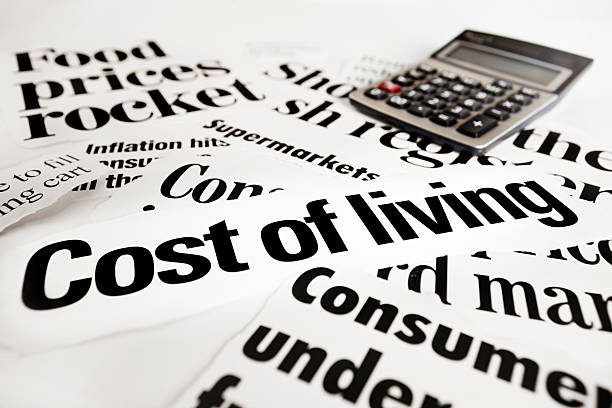


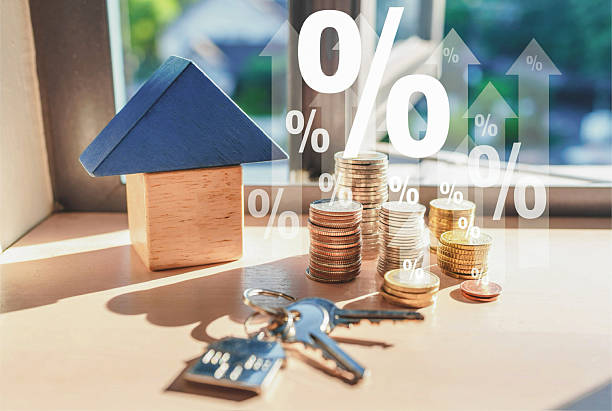
 If you have a mortgage or are thinking about getting one, you have probably heard the word “inflation” a lot on the news or from your friends. It sounds like a fancy economic term, but it is actually pretty simple. Inflation means that over time, the prices of everyday things like gas, groceries, and rent go up. Your dollar does not buy as much as it used to. That might seem like a problem only for shopping, but it has a big effect on mortgage rates, too. Understanding how inflation connects to your mortgage can help you make better decisions about when to buy, refinance, or just sit tight.Let’s start with the basic idea. Mortgage rates are not set by your local bank just because they feel like it. They are tied to a much larger system that involves investors, the government, and the overall health of the economy. Think of the economy as a big seesaw. On one side you have growth – people working, spending money, and companies making profits. On the other side you have inflation – prices rising too fast. When inflation gets too high, the seesaw tilts, and the people in charge, called the Federal Reserve (or the Fed), step in to try to balance things.The Fed has a main job: keep prices stable and help as many people as possible have jobs. When inflation is high, the Fed raises a special interest rate called the federal funds rate. This is the rate that banks charge each other for overnight loans. It might sound unrelated to your mortgage, but it is the first domino in a chain. When the Fed raises that rate, banks have to pay more to borrow money, so they pass those higher costs on to you. That means new mortgages become more expensive, and existing adjustable-rate mortgages might go up too.Why does inflation cause the Fed to raise rates? Imagine you are a lender. If prices are rising fast, the money you get back from a loan in the future will be worth less than it is today. So you want to charge a higher interest rate to make up for that loss. Also, raising rates makes borrowing more expensive, which slows down spending. When people and businesses spend less, demand for goods drops, and that can help cool off rising prices. It is a balancing act – the Fed wants to slow the economy just enough to stop inflation, but not so much that people lose their jobs.For you as a homeowner, this means that whenever you hear news about inflation going up, you can expect mortgage rates to follow. That is why rates jumped so much in 2022 and 2023. After years of very low inflation, prices started climbing quickly because of supply chain problems, high demand, and other factors. The Fed reacted aggressively, and mortgage rates went from around 3% to over 7% in a short time. Many homeowners who had low fixed rates suddenly realized they were sitting on a goldmine – and that they should not sell or refinance unless they had to, because any new loan would be much more expensive.But inflation is not the only thing that moves mortgage rates. Other economic indicators matter too, like the jobs report. When many people are working and earning good wages, the economy is strong, and that can push rates up. Why? Because a strong job market means people have money to spend, which can lead to more inflation. On the other hand, if unemployment rises, the economy slows, and rates might fall as investors look for safe places to put their money. Mortgage rates also follow the yield on the 10-year Treasury bond. That bond is considered a super-safe investment. When investors are worried about inflation or the economy, they buy more bonds, which pushes yields down, and mortgage rates generally follow. When they are optimistic, bond yields rise, and so do mortgage rates.So what does all this mean for you? If you are shopping for a home or thinking about refinancing, keep an eye on inflation reports, like the Consumer Price Index (CPI) that comes out every month. If inflation is falling, there is a good chance mortgage rates will eventually come down too – but it might take a while. If inflation is stubbornly high, be patient. Trying to time the market perfectly is nearly impossible, but understanding the trends can help you make a smarter move. For example, if you have a high-rate mortgage now and inflation looks like it is easing, waiting a few months might save you money. But if inflation picks up again, locking in a rate now could be wise.One more thing: your personal financial situation matters more than the overall market. Even if rates are high, if you find a house you love and can afford the payment, buying might still be right for you. Rates change, but you can always refinance later if they drop. Just remember that inflation is the big engine behind many rate moves. By keeping an eye on it, you will understand why your mortgage rate does what it does – and that knowledge is power.In the end, mortgage rates are not random. They are a reaction to the world around us, especially inflation. When you hear the word inflation, think of it as the weather for your mortgage. It might be stormy or calm, but knowing the forecast helps you prepare.
Yes, recasting has some limitations: Large Upfront Cash: It requires a significant amount of cash on hand for the lump-sum payment. Not All Loans Qualify: Government-backed loans like FHA and VA are often ineligible, and some lenders may not offer the service at all. No Rate or Term Change: It does not allow you to change your interest rate or shorten your loan term. Limited Long-Term Savings: While it reduces your monthly payment, the long-term interest savings are less than if you applied the same lump sum without a recast and continued making your original payment.
Yes, but less than you might think. Since you are making a large principal payment, you will pay less interest over the life of the loan. However, because your monthly payment is subsequently lowered, you are paying down the principal more slowly each month than if you had not recast. The primary interest savings come from the initial lump sum, not the recast itself.
An escrow account is a holding account managed by your mortgage lender.
You pay a portion of your annual property taxes and homeowner’s insurance into this account with each monthly mortgage payment.
The lender then pays these large bills on your behalf when they come due.
This helps you budget for these expenses in smaller, monthly increments rather than facing one large annual bill.
Save both letters in a safe place with your important mortgage documents.
Update your records with the new servicer’s name, address, phone number, and website.
Set up your online account with the new servicer as soon as possible.
Generally, shorter-term loans (like 15-year mortgages) have lower interest rates than longer-term loans (like 30-year mortgages). This is because lenders are taking on less risk over a shorter period; there’s less time for a borrower’s financial situation to deteriorate or for broad economic conditions to change.