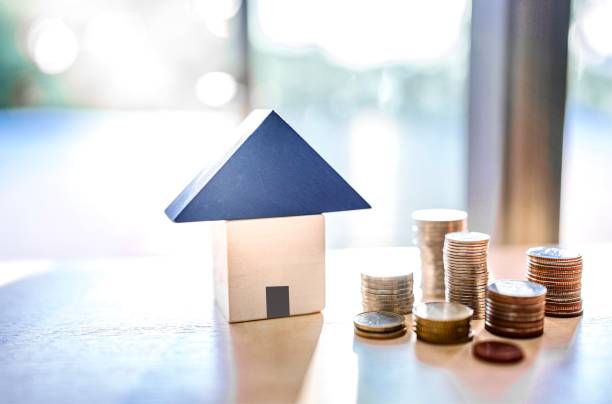
 If you have a mortgage, you have probably heard that making extra payments toward the principal can save you money over time. But what does that actually mean for a regular homeowner? It sounds like a good idea, but maybe you are not sure if it is worth stretching your budget to squeeze in a few extra dollars each month. The truth is that even a small amount, like an extra one hundred dollars every month, can make a huge difference in how much interest you pay and how quickly you own your home free and clear.Let us start with a simple example. Imagine you have a thirty year fixed rate mortgage for two hundred thousand dollars at an interest rate of six percent. Your monthly payment, not including taxes and insurance, would be roughly twelve hundred dollars. Over the life of that loan you would pay more than two hundred thirty thousand dollars in interest alone. That is more than the original loan amount. Now suppose you decide to add an extra one hundred dollars to your monthly payment and you tell your lender to apply that extra money directly to the principal. What happens?First, that extra one hundred dollars immediately reduces the balance you owe. Because interest is calculated on the remaining balance each month, a smaller balance means less interest charged the next month. Over time this effect snowballs. In the example above, paying an extra one hundred dollars each month would pay off your mortgage in about twenty four years instead of thirty. That is six years earlier. And the total interest you pay would drop from over two hundred thirty thousand dollars to about one hundred seventy five thousand dollars. That is a savings of roughly fifty five thousand dollars. All from an extra one hundred dollars a month.Fifty five thousand dollars is real money. It could be a new car, a child’s college tuition, a home renovation, or a comfortable addition to your retirement fund. And you do not need to be wealthy to make it happen. An extra one hundred dollars is about three dollars and thirty cents a day. Skipping one restaurant meal a week or cutting back on a streaming subscription could easily cover it.But there are a few important things to know before you start. Not all mortgages are the same. Some have prepayment penalties, though these are less common today. You should check your loan documents or call your lender to make sure you can make extra principal payments without a fee. Also, you need to be clear with your lender that the extra money should go toward the principal balance, not toward next month’s payment. If you just send a bigger check without instructions, the lender might apply the extra amount as an early payment of future installments, which does not reduce your principal any faster.A good way to avoid confusion is to write a separate check or set up a separate online payment specifically marked for principal reduction. Many lenders have a field in their payment portal where you can enter an extra principal amount. If you are mailing a payment, include a note saying “apply extra $100 to principal.” It is that simple.Another thing to consider is your overall financial situation. Before you start making extra mortgage payments, make sure you have an emergency fund with three to six months of living expenses. Paying down your mortgage is a long term goal, but you also need cash available for unexpected repairs, medical bills, or job loss. Also, if you have high interest debt like credit cards, pay that off first. Credit card interest is usually much higher than mortgage interest, so it makes more sense to eliminate that debt before speeding up your mortgage payoff.Some homeowners worry that they lose the tax deduction on mortgage interest if they pay off the loan early. This is not a reason to avoid extra payments. The deduction is a small benefit compared to the tens of thousands in interest you can save. And if you pay off your mortgage earlier, you own your home sooner, which gives you peace of mind and financial freedom.You do not have to commit to an extra one hundred dollars every single month for the next twenty years. You can make extra payments whenever you have the cash. Maybe you get a bonus at work, a tax refund, or a raise. You can put that money toward your principal as a lump sum. Even a one time extra payment of one thousand dollars can knock several months off your loan term and save you hundreds or thousands in interest.The key is consistency over time. Small amounts add up. If an extra one hundred dollars feels like too much right now, start with fifty or even twenty five. The math still works in your favor. The earlier you start in your loan term, the bigger the impact because you are reducing the balance when it is largest and when interest charges are highest. If you are already a few years into your mortgage, it is still worth it. Every dollar you put toward principal today saves you future interest.You might also consider making half of your monthly payment every two weeks instead of one full payment per month. This is called a biweekly payment plan. Because there are 52 weeks in a year, making half payments every two weeks results in 26 half payments, which is the same as 13 full payments per year. That extra payment each year goes directly to principal and can cut years off your loan. Some lenders offer automatic biweekly plans, sometimes for a small fee. You can also do it yourself by dividing your monthly payment by two and sending that amount every two weeks. Just make sure your lender applies the payments correctly.In the end, making extra principal payments is one of the simplest ways to build wealth slowly and safely. It does not require any special knowledge or risky investments. It is just a discipline of sending a little more money to your mortgage each month. The reward is a shorter loan term, lower total interest, and the satisfaction of owning your home sooner. If you can find an extra one hundred dollars in your monthly budget, that money can turn into tens of thousands of dollars in savings. That is a powerful deal for any homeowner.
A recast directly changes your amortization schedule. After the lump-sum payment is applied, the lender creates a brand-new schedule that spreads the remaining principal balance (plus interest) evenly over the remaining loan term. This results in a lower portion of each future payment going toward interest and a higher portion going toward principal than in your original schedule at the same point in time.
Failure to pay a special assessment is treated similarly to not paying your regular HOA dues. The association can:
Charge late fees and interest.
Place a lien on your property.
In some states, pursue foreclosure on the lien, which could lead to the loss of your home.
Furnishing the interior is typically the higher priority for most homeowners, as it’s essential for daily living. However, you should also budget for at least basic landscaping (like grass and a few shrubs) to protect your soil and prevent erosion. Major landscaping projects can often be phased over several years.
Prioritize: Splurge on key items you use daily (like a mattress and sofa) and save on accent pieces.
Buy Over Time: You don’t need to furnish every room at once.
Shop Secondhand: Look for quality solid wood furniture at estate sales, auctions, and online marketplaces.
Wait for Sales: Major holidays are the best times to buy big-ticket items.
The APR is a federally mandated disclosure. You will find it prominently displayed on your Loan Estimate (provided after application) and your Closing Disclosure (provided before closing). It is often placed in a box near the interest rate for easy comparison.