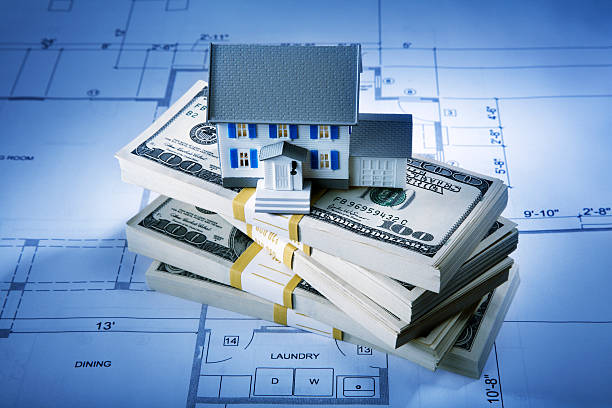
If you’ve owned your home for a few years, you’ve probably heard the pitch: refinance from your 30-year mortgage to a 15-year mortgage, and you’ll save tens of thousands in interest. That part is true. The numbers can look amazing on paper. But before you jump in, you need to understand what that shorter term actually does to your wallet, your monthly budget, and your long-term plan. The goal isn’t just to have a lower interest rate. The goal is to build real wealth without strangling yourself along the way.
A 15-year mortgage usually comes with a lower interest rate than a 30-year loan. That’s because the lender takes less risk when you agree to pay the loan off in half the time. So you get a better rate, and you also cut the number of years you’re paying interest. Those two things together mean you will pay far less interest over the life of the loan. For example, on a $250,000 mortgage, even a one-point rate difference can save you a serious amount of money. And because the loan is paid off in 15 years instead of 30, the interest savings are not just a few thousand dollars. They can be well into five figures, sometimes even six figures, depending on your loan size and rate.
But here’s the part that doesn’t get enough attention. Your monthly payment on a 15-year mortgage will almost always be higher than what you’re paying now. Sometimes a lot higher. That’s because you’re paying off the same principal in half the time, even with a lower rate. If you refinance a $200,000 balance from a 30-year at 4% to a 15-year at 3%, your payment might go up by several hundred dollars a month. That extra payment is not wasted. It’s going toward your home equity, not interest. But it’s still money you can’t use for other things, and that matters more than most people realize.
The real question is not “Will I save money?” because you likely will. The real question is “Can I comfortably handle the higher payment for 15 straight years?” Life happens. Cars break down. Jobs change. Kids need braces. If your new mortgage payment leaves you with very little breathing room, you might end up in a worse spot than before. A refinance should not make you house-rich and cash-poor. That’s a trap that forces some homeowners to put repairs on credit cards or dip into emergency savings.
There’s also the opportunity cost to think about. When you put extra money into your house, that money is no longer available for other things. It’s tied up in equity until you sell or refinance again. Some people choose to invest spare cash instead of paying down the mortgage faster. Over a long period, a diversified investment account might earn more than the interest you save by paying off your home early. But that depends on market returns, your risk tolerance, and your personal comfort. There’s no one-size-fits-all answer. Some people value a paid-off home more than a bigger investment account. And that’s okay.
Another point: refinancing is not free. You’ll pay closing costs, which can include appraisal fees, title insurance, origination charges, and other lender fees. On a typical refinance, those costs might range from two to five percent of the loan amount. Even if you roll those fees into the new loan, you’re paying for them over time. That means your actual break-even point might be several years down the road. If you refinance to a 15-year mortgage and then sell your home in three years, you might not recoup those costs. Make sure you understand how long you plan to stay in the house before you decide.
Some homeowners take a middle path. They refinance to a lower rate on a 30-year loan but make extra principal payments each month as if they had a 15-year loan. This gives you the option to pay the smaller amount in a tight month, while still getting most of the interest savings if you stay disciplined. It requires self-control, but it’s a good way to enjoy flexibility without losing the benefits of a shorter payoff schedule.
If you have a stable job, a solid emergency fund, and you’re not planning to move in the next several years, a 15-year refinance can be a smart move. It locks you into a fixed payment that builds equity at a much faster pace. It gives you a clear finish line. And when that last payment is made, your biggest monthly expense disappears. There’s real peace of mind in that.
But don’t let fear of interest alone push you into a payment you can’t handle. Run the actual numbers. Look at your current balance, your current rate, the new rate, the closing costs, and the new monthly payment. Compare that with your budget. Then be honest with yourself. A shorter mortgage is a powerful tool, but it’s only a good tool if you can carry it comfortably.