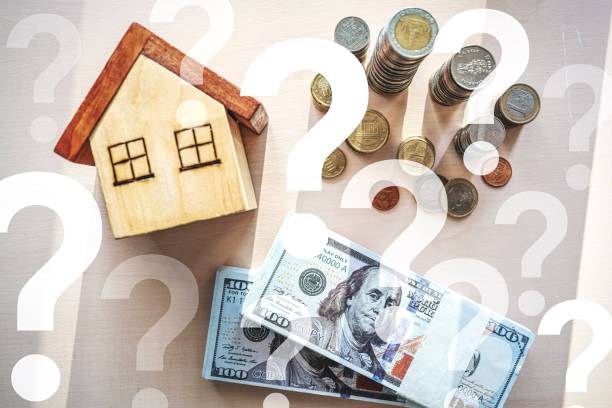
When you’re trying to decide whether to keep renting or take the leap into homeownership, the first thing most people do is compare their monthly rent to what a mortgage payment would be. If the mortgage is close to the rent, buying seems like a no-brainer. But that comparison is missing a whole pile of costs that come with owning a home. If you don’t see all of them upfront, you could be in for a rude shock a few months after you get the keys.
Let’s start with the down payment. It’s not just about having 20% or even 5% saved. That money is gone from your savings account, sitting in your house. Some first-timers think of it as an investment, which it can be, but it’s also money you can’t easily get to if your car breaks down or you lose your job. And don’t forget closing costs. Those include title insurance, appraisal fees, loan origination charges, and other government fees that can easily add up to two to five percent of the home’s price. That’s thousands of dollars you need to pay in cash on top of your down payment. Renters never think about that.
Then there’s property tax. Your lender might collect it as part of your monthly payment, but the amount is based on the home’s assessed value. That value can go up, meaning your monthly payment goes up even though your mortgage rate is fixed. Homeowners insurance is another essential cost that renters don’t need. Your renters insurance is a fraction of what homeowners insurance costs, and if you’re in a flood zone or a hurricane area, the premium can be brutal. You should also budget for private mortgage insurance (PMI) if your down payment is less than 20%. That’s an extra monthly charge that does nothing for you except protect the lender.
Now let’s talk about maintenance and repairs. As a renter, if the water heater dies, you call the landlord. As a homeowner, you call a plumber and hand over eight hundred dollars. If the roof leaks, that’s a few thousand. The HVAC system goes out? Ten thousand. Even if you’re handy, the materials cost money, and your time is worth something. A common rule of thumb is to set aside one to two percent of the home’s value each year for maintenance. On a $300,000 house, that’s up to $6,000 a year. Are you ready for that?
There’s also the opportunity cost. That down payment money could have been invested in a low-cost index fund. Historically, the stock market has returned more than home price appreciation over the long run. That doesn’t mean buying is a bad idea, but you need to know that you’re giving up potential growth in exchange for a place to live. Also, don’t forget that if you sell within the first few years, you might lose money because of the buyer’s closing costs, realtor commissions, and the fact that you’ve barely paid down the principal. Rent might feel like throwing money away, but so are interest, taxes, insurance, and maintenance.
However, buying does have major advantages. Your mortgage payment stays mostly the same over time (except for taxes and insurance), while rent can go up every year. You build equity and eventually own your home free and clear. There’s also the stability of not having a landlord tell you to move or raise rent by 15% because the market changed. The key is to not compare just the monthly numbers, but the total picture.
So how do you actually decide? Look at your situation. If you plan to stay in the same place for at least five to seven years, buying often makes sense because the high upfront costs get spread over a longer period. If you might move in two years, renting is usually smarter. Also, think about your cash reserves. Can you handle an unexpected $5,000 repair without going into debt? If not, you might need to save more before buying. And don’t forget your future income. A fixed mortgage payment becomes easier as your salary grows, whereas rent increases can eat you alive.
The bottom line: don’t be fooled by the mortgage payment alone. Rent vs buy is about the full financial picture, including the money you put down, the fees you pay at closing, the taxes and insurance you’ll carry every year, the repairs you’ll cover, and the opportunities you’re giving up. Take your time, run the numbers honestly, and be honest with yourself about how stable your job and your life are. When you know all the costs, you can make the right call for your family.