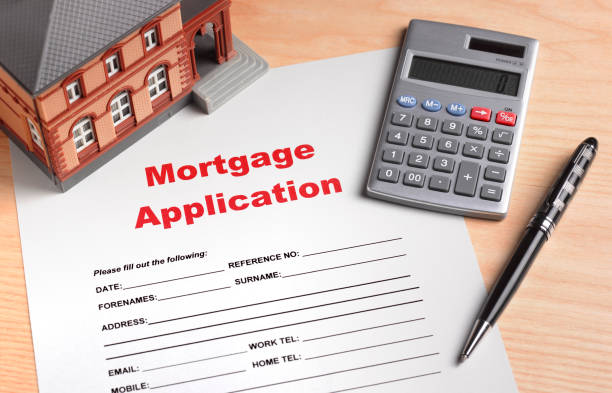
 If you already have a first mortgage and a second mortgage, you might think about borrowing even more against your home. This is called a third mortgage. People consider a third mortgage when they need extra cash for things like home repairs, medical bills, debt consolidation, or a large purchase. But before you move forward, it is important to understand what a third mortgage really means and whether it is a smart move for you.A third mortgage is simply another loan that uses your home as collateral. That means if you cannot pay the loan, the lender can take your house. The first mortgage has the highest priority, meaning the lender gets paid first if the home is sold or foreclosed. The second mortgage is next in line. The third mortgage is last. Because of that, third mortgages are much riskier for lenders. To make up for that risk, lenders charge higher interest rates and add stricter terms.Why would anyone want a third mortgage? Often it is because the homeowner needs money and has already used up the equity from their first and second loans. Equity is the part of your home that you actually own, or the difference between what your home is worth and what you owe on your mortgages. For example, if your home is worth $300,000 and you owe $200,000 on the first mortgage and $50,000 on the second, you have $50,000 in equity. That equity is what you could potentially borrow against with a third mortgage. But if your home value drops or you already owe a lot, there might be little to no equity left. Lenders usually require you to have at least 10% to 20% equity in your home after adding the third mortgage. So if your total debt against the home would be too high, you will not qualify.Even if you have enough equity, getting a third mortgage is not easy. Many traditional banks and credit unions do not offer them because they are too risky. You may need to work with private lenders or online companies that specialize in higher-risk loans. These lenders often look at your credit score, your income, and your debt-to-income ratio. Because the loan is riskier, your credit score needs to be decent, and you need to show you can handle the extra payment. Also, the interest rate on a third mortgage is usually much higher than on a first or second mortgage. It could be double or even triple the rate you are paying now. That translates to much higher monthly payments.Another major drawback is that a third mortgage adds to your total debt load. If your finances get tight, you have three separate mortgage payments to make. Missing just one payment can put your home in danger. The third mortgage lender can start foreclosure proceedings, and since they are last in line, they might be aggressive in trying to recover their money. Foreclosure means you could lose your home entirely.There are also extra fees involved. Third mortgages often come with higher closing costs, origination fees, and application fees. These costs add up quickly and can eat into the cash you are trying to get. Some lenders also require a balloon payment, meaning you have to pay off the entire loan after a few years. If you cannot afford that lump sum, you might have to refinance or sell the home.So when is a third mortgage ever a good idea? In very rare situations, it might make sense if you have a short-term cash need and a clear plan to pay it back quickly. For example, if you need money for a major home renovation that will increase your home’s value, and you know you will sell the house within a year, a third mortgage could work. But even then, you are taking a big risk. Most financial experts advise against a third mortgage unless you have no other options and you are absolutely sure you can handle the payments.What are some alternatives to a third mortgage? One common option is a personal loan. Personal loans are not tied to your home, so you do not risk foreclosure if you fall behind. The interest rates might be higher than a mortgage, but they are often lower than a third mortgage rate. Another alternative is a cash-out refinance on your first mortgage. That means you replace your current first mortgage with a new, larger loan and take the difference in cash. That only works if you have good credit and enough equity, but it could give you one loan instead of three. You could also look into a home equity line of credit, which is similar to a second mortgage but usually has a variable rate. If you already have a second mortgage, you might be able to increase its limit instead of adding a third loan.If you are considering a third mortgage because of serious debt problems, you might want to talk to a credit counselor first. They can help you find ways to manage your debts without risking your home. Bankruptcy or debt settlement might be better paths, though they also have long-term consequences.In short, a third mortgage is a high-risk, high-cost way to borrow money. Lenders see it as a last resort, and homeowners should too. Before you sign anything, take a hard look at your budget, your future income, and your reasons for needing the money. Sometimes the best move is to wait, save up, or find another source of funds. Your home is likely your most valuable asset, and protecting it should always come first.
Most conventional loans do not have prepayment penalties, but it is crucial to check your original loan documents or contact your mortgage servicer to confirm, as some specific loan types or older contracts might include them.
Lenders are required by law to ensure you can afford the mortgage. The documents verify your income, employment, assets, and debts to assess your financial stability and ability to make monthly payments, ultimately determining your loan eligibility and interest rate.
HOA fees are regular payments (typically monthly or quarterly) made by homeowners in a community to their Homeowners Association. These fees are mandatory and are used to cover the costs of maintaining, repairing, and improving the shared/common areas and amenities of the community.
If you default, the third mortgage lender can initiate foreclosure proceedings. However, because they are in third position, they are last in line to receive proceeds from the forced sale of the home. If the sale doesn’t generate enough money to pay off all three loans, the third mortgage lender loses their money. This is why they are so cautious.
The amount is based on the “as-completed” appraised value of the home after renovations. Generally, you can borrow:
FHA 203(k): The loan amount is the purchase price plus renovation costs, or the “as-completed” value, whichever is less, up to FHA county limits.
HomeStyle Renovation: Up to 95% of the “as-completed” value for a purchase, or 75-97% for a refinance.
VA Renovation Loan: Up to 100% of the “as-completed” value.