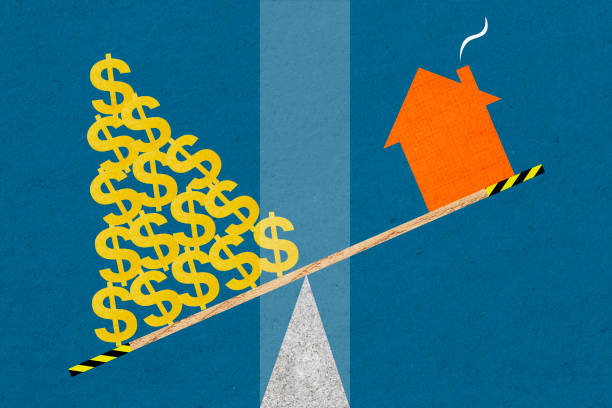
 The prospect of paying off a mortgage early is a powerful financial goal for many homeowners, representing the ultimate milestone of true property ownership. While the journey requires discipline and often significant sacrifice, the long-term financial benefits extend far beyond the simple satisfaction of being debt-free. The core advantages manifest as substantial interest savings, enhanced cash flow, and a profound strengthening of one’s overall financial position, ultimately paving the way for greater security and flexibility.The most direct and quantifiable benefit is the dramatic reduction in total interest paid over the life of the loan. A mortgage is a long-term financial commitment where interest costs are front-loaded, meaning a significant portion of early payments goes toward interest rather than principal. By making additional principal payments, homeowners directly chip away at the loan’s core balance. This reduces the principal upon which future interest is calculated, creating a powerful compounding effect in reverse. For a typical 30-year loan, even modest extra payments can shave years off the term and save tens of thousands of dollars in interest that would otherwise be paid to the lender. This saved money effectively becomes a risk-free return on investment equal to the mortgage’s interest rate, an especially attractive proposition in higher-rate environments.Upon achieving a mortgage-free status, the most transformative change is the immediate liberation of a major monthly expense. This sudden influx of discretionary cash flow can be life-altering. No longer burdened by perhaps the largest single line item in a household budget, homeowners gain unparalleled flexibility. This capital can be redirected to accelerate retirement savings, invested to build wealth in other avenues, used to fund educational pursuits, or simply provide a more comfortable lifestyle. This financial breathing room also acts as a powerful buffer against economic downturns, job loss, or unexpected emergencies, reducing overall financial stress and increasing resilience. The psychological peace that comes with eliminating such a substantial debt cannot be overstated, fostering a sense of control and accomplishment that permeates other financial decisions.Furthermore, early mortgage payoff fundamentally strengthens one’s financial foundation and risk profile. It dramatically lowers fixed living expenses, which can be particularly advantageous in retirement. Entering one’s later years without a housing payment significantly reduces the required income needed to sustain a comfortable lifestyle, making retirement savings last longer and reducing dependence on volatile investment returns. Additionally, it simplifies one’s financial picture and eliminates the risk associated with variable-rate mortgages, providing certainty in an uncertain economic climate. While some argue that investing extra funds could yield a higher return than the mortgage interest rate, paying off the mortgage is a guaranteed, risk-free outcome that diversifies one’s financial strategy away from market exposure.In conclusion, the financial benefits of paying off a mortgage early are multifaceted and profound. They begin with the concrete, calculable savings on interest payments, which alone can represent a small fortune. These savings then translate into the liberation of monthly cash flow, offering newfound flexibility to pursue other financial goals or enhance one’s quality of life. Ultimately, achieving a mortgage-free status solidifies financial security, reduces risk, and provides immense psychological relief. It is a strategic move that converts a liability into permanent equity and transforms a monthly obligation into a powerful tool for building lasting wealth and independence. For those with the means and discipline to pursue it, early mortgage payoff remains a cornerstone strategy for achieving true financial freedom.
Yes, it is very common for your escrow payment to change. Since it is based on the actual cost of taxes and insurance, any increase in your property tax bill or homeowners insurance premium will result in a higher escrow payment. Your lender will perform an annual escrow analysis to adjust your payment accordingly for the coming year.
A recast directly changes your amortization schedule. After the lump-sum payment is applied, the lender creates a brand-new schedule that spreads the remaining principal balance (plus interest) evenly over the remaining loan term. This results in a lower portion of each future payment going toward interest and a higher portion going toward principal than in your original schedule at the same point in time.
Quantitative Tightening (QT) is the opposite of QE. It is the process where the Fed stops reinvesting the proceeds from its maturing bonds, thereby slowly reducing the size of its balance sheet. This reduces demand for bonds and MBS, which can put upward pressure on their yields. Over time, QT can contribute to higher mortgage rates as the market absorbs more supply without the Fed as a major buyer.
If you do not have enough cash to cover closing costs, your home purchase may not be able to close. It’s critical to budget for these costs early. If you are short, you can explore options like asking the seller for concessions, applying for a closing cost assistance grant, or, if eligible, using a gift from a family member.
Not at all. This is very common and is often called “conditional approval” or “prior-to-document” (PTD) conditions. The underwriter is simply doing their due diligence, and your quick response to this second round gets you one step closer to the finish line.