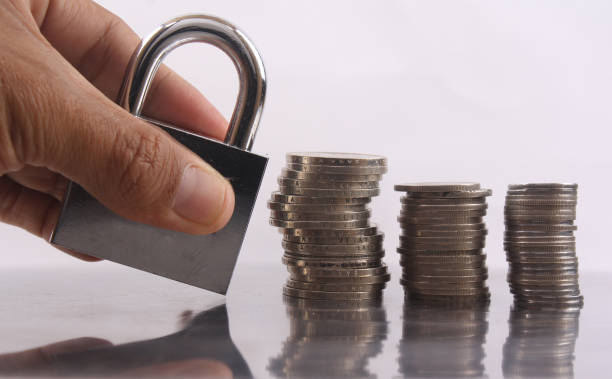
The journey to homeownership is a marathon of paperwork, decisions, and deadlines, with the mortgage rate lock serving as a crucial oasis of financial certainty in a desert of market volatility. This lock is a lender’s guarantee to hold a specific interest rate and set of points for you, typically for 30, 45, or 60 days. But what happens when the finish line—the closing table—seems to retreat as your lock’s expiration date approaches? The scenario of a rate lock expiring before closing is a stressful but navigable situation, with outcomes ranging from minor inconvenience to significant financial cost, largely dependent on the cause of the delay and the policies of your lending institution.
Fundamentally, a rate lock is a contractual agreement with a finite lifespan. If your closing is delayed past this expiration date, the protection vanishes. You are then at the mercy of the current market rates at the time you finally do close. If interest rates have risen since you initially locked, you will be forced to accept a higher rate for your mortgage, which translates directly into a higher monthly payment and more interest paid over the life of the loan. This increase can substantially impact your housing budget and long-term financial planning. Conversely, if market rates have fallen, you might secure a lower rate, though this is less common as lenders are not obligated to offer you the improved terms.
The repercussions, however, extend beyond simply accepting a new rate. The path forward bifurcates based on who or what caused the delay. If the holdup is due to factors within your control—such as procrastination on providing requested documents, a change in your financial profile, or delays in securing homeowner’s insurance—the lender is under no obligation to assist you. You will almost certainly need to apply for a new lock at the prevailing market rate, often accompanied by an additional lock fee. This recalculation may also affect your loan approval if the higher payment impacts your debt-to-income ratio.
If, however, the delay is unequivocally the fault of the lender or a third party like the appraiser or title company, you may have grounds for negotiation. Many lenders offer a one-time courtesy extension, often for a fee that can range from a small flat charge to a percentage of the loan amount. This extension, typically for 15 to 30 days, can buy the necessary time to complete the closing without losing your rate. In cases of clear lender error, they may sometimes absorb this extension fee to maintain the relationship and avoid a formal complaint. It is imperative to communicate early and often with your loan officer the moment you foresee a potential delay; proactive conversation is your most powerful tool.
The most severe outcome, though rare, is the collapse of the purchase entirely. A significant rate hike at the last minute could make the mortgage unaffordable, pushing you past your pre-approval limits. This could force you to back out of the purchase contract, potentially risking your earnest money deposit if your contract’s financing contingency has expired or does not cover rate lock expirations. This underscores the vital importance of understanding the specific language in your purchase agreement and your lock agreement with the lender.
To mitigate these risks, wisdom lies in prevention. When selecting a lock period, opt for a realistic timeframe, adding a buffer to your estimated closing date. Diligently submit all requested documentation promptly and stay in regular contact with your real estate agent and loan officer to identify and address bottlenecks early. Choose reputable, communicative professionals known for closing on time. The expiration of a rate lock is a formidable hurdle in the homebuying process, but it is not always an insurmountable one. Through realistic planning, clear communication, and an understanding of the contractual landscape, you can navigate this challenge and still secure the keys to your new home.