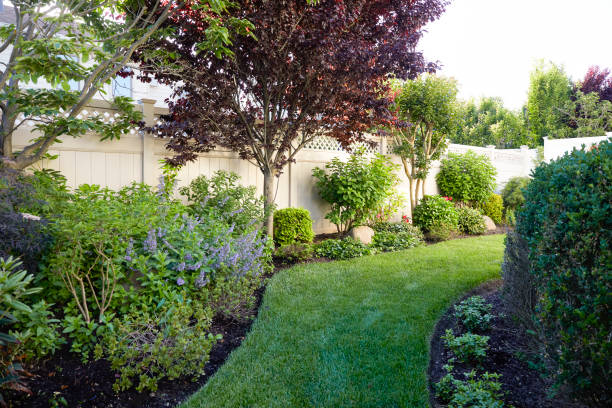
 A beautifully landscaped garden is often seen as a tranquil retreat and a significant boost to a property’s curb appeal. However, the financial commitment to such an oasis extends far beyond the initial installation. The ongoing costs of landscaping, often underestimated, form a continuous ledger of maintenance, renewal, and unexpected expenses that homeowners must diligently manage to preserve their outdoor investment. These costs encompass routine care, essential utilities, periodic refurbishments, and the unpredictable forces of nature itself.The most predictable and persistent expenses fall under the umbrella of routine maintenance. This is the fundamental cost of keeping a landscape healthy and orderly. For lawns, this includes weekly mowing during the growing season, which demands either the investment in equipment and personal time or the hiring of a professional service. Fertilization, aeration, and weed control are seasonal necessities that ensure turf vitality. For planting beds, weeding, pruning, and mulching are relentless tasks; organic mulch decomposes and requires replenishing annually to suppress weeds and retain soil moisture. Irrigation systems, while conserving water and time, introduce their own set of recurring charges. There is the monthly water bill, which can spike dramatically in summer months, and the system itself requires seasonal activation and winterization, along with repairs to broken sprinkler heads or leaky lines. These maintenance activities, whether performed by the homeowner or a contracted crew, represent a steady drip of expenditure.Beyond basic upkeep, landscapes are living systems that evolve and occasionally require more significant intervention. Perennial plants may need dividing every few years, while shrubs and trees inevitably outgrow their spaces, necessitating professional pruning or, in some cases, costly removal. Trees, in particular, can become substantial liabilities, requiring arborist inspections and hazardous limb removal to protect property. Pest and disease outbreaks, from fungal lawn infections to invasive insect infestations, can strike without warning, demanding specialized treatments to prevent widespread damage. Furthermore, no landscape element lasts forever. Wooden decks, fences, and pergolas gradually succumb to weathering and require staining, sealing, or eventual replacement. Stone patios may settle or crack, and outdoor lighting fixtures burn out or succumb to corrosion. These are not weekly chores but substantial periodic investments to rejuvenate and secure the landscape’s structure and health.Perhaps the most daunting ongoing costs are those that are entirely unforeseen. Extreme weather events have become a more frequent consideration. A severe storm can topple mature trees onto structures, flood meticulously planned gardens, or decimate plantings with hail. Recovery from such events often involves emergency services, debris removal, and wholesale replanting. Additionally, as personal circumstances change, so too might the landscape’s requirements. A family may decide a lawn is too labor-intensive and opt for a costly conversion to xeriscaping or artificial turf, trading water and maintenance bills for a high initial retrofit expense. Similarly, the desire for an upgraded feature—a fire pit, an expanded patio, or a water feature—represents a new capital project layered atop the existing maintenance budget.Ultimately, a landscape is a dynamic, living asset that demands continuous stewardship. The ongoing costs are the price of that stewardship, ensuring that the initial vision does not succumb to neglect, time, or chaos. They encompass the rhythm of seasonal chores, the anticipation of wear and tear, and the prudent preparation for nature’s unpredictability. For a homeowner, acknowledging and budgeting for this hidden ledger is as crucial as the initial design. A sustainable landscape is not merely one that is ecologically sound, but also one whose beauty and function can be maintained within the realistic bounds of time and financial resources for years to come.
This is a classic financial dilemma. Paying down your mortgage offers a guaranteed, risk-free return equal to your mortgage interest rate. Investing offers the potential for a higher return but comes with market risk. A common approach is to split extra funds between the two, or to focus on the mortgage if you are risk-averse and value peace of mind.
Your Debt-to-Income (DTI) ratio is a percentage calculated by dividing your total monthly debt payments (including your potential new mortgage, car loans, student loans, and credit card minimums) by your gross monthly income. It is a critical factor for lenders because it indicates your ability to manage monthly payments and repay the loan.
Discount points paid on a purchase mortgage are generally tax-deductible in the year you pay them, as they are considered prepaid interest. For a refinance, points are usually deducted over the life of the loan. We recommend consulting a tax advisor for your specific situation.
Whether you should buy points depends on your individual circumstances and goals. Consider paying points if:
You have extra cash available for closing costs.
You plan to stay in the home long enough to “break even” (the point where your monthly savings exceed the cost of the points).
You prefer long-term savings over short-term cash flow.
Underwriters evaluate your application based on three core principles, often called the “Three C’s”:
Credit: Your credit history and score, which indicate your reliability in repaying past debts.
Capacity: Your ability to repay the new mortgage, determined by your income, employment stability, debt-to-income ratio (DTI), and other financial obligations.
Collateral: The property’s value and condition, which serves as security for the loan. This is confirmed by the appraisal.