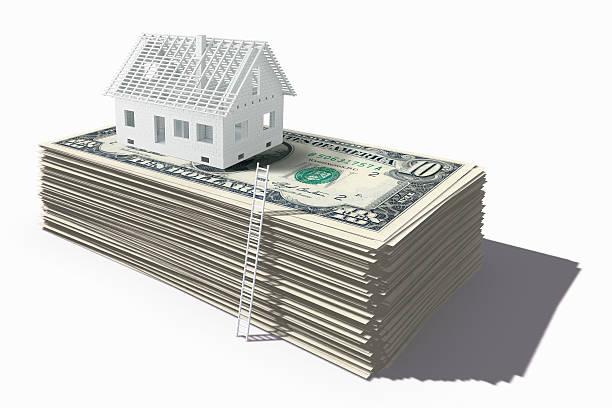
 The dream of homeownership is often symbolized by a single, monumental number: the mortgage payment. Prospective buyers meticulously calculate this figure against their income, believing it to be the primary financial hurdle. However, this focus can obscure the substantial and perpetual reality of ongoing costs that extend far beyond the principal and interest. These ancillary expenses, which can amount to thousands of dollars annually, form the true backdrop of maintaining a property and must be diligently budgeted for to avoid financial strain.Property taxes stand as one of the most significant and unavoidable charges. These are levied by municipal governments to fund local services like schools, roads, and emergency services. The amount is typically a percentage of the home’s assessed value, which can fluctuate with market conditions and reassessments. Unlike a fixed mortgage, property taxes almost invariably rise over time, creating an escalating line item in a homeowner’s budget. In some areas, these taxes can rival or even exceed the cost of the mortgage itself, making them a critical factor in long-term affordability.Directly linked to property taxes is the necessity of homeowners insurance. Lenders require this protection to safeguard their investment against disasters such as fire, theft, or severe weather. Premiums vary based on location, home value, and coverage levels, and they are subject to increase following claims or as rebuilding costs rise. Furthermore, in regions prone to floods or earthquakes, separate, often costly policies are mandatory, adding another layer of expense. Neglecting adequate insurance is a gamble with potentially catastrophic financial consequences.While property taxes and insurance are often bundled into the mortgage payment through an escrow account, utilities represent a direct and recurring monthly outflow. Heating, cooling, water, sewer, trash collection, electricity, and gas services are now solely the homeowner’s responsibility, a stark contrast to rentals where some may be included. The cost of these utilities is heavily influenced by the home’s size, age, efficiency, and local climate, and they represent a permanent addition to the monthly cost of living.The physical structure of the home itself demands a constant financial commitment to maintenance and repairs. This spectrum ranges from routine upkeep like gutter cleaning, HVAC servicing, and lawn care to unexpected and costly emergencies such as a leaking roof, a failed water heater, or a broken appliance. A common rule of thumb suggests setting aside one to three percent of the home’s purchase price annually for these expenses. Deferring maintenance might offer short-term relief but inevitably leads to more severe and expensive problems, eroding the home’s value and livability.For those purchasing a condominium, townhouse, or home within a planned community, homeowners association fees introduce a predictable but mandatory monthly or quarterly cost. These fees cover shared amenities and common area maintenance, such as landscaping, pools, security, and exterior building repairs. It is crucial to understand that these fees can, and often do, increase annually. Special assessments are another potential financial shock, levied when the association encounters an unexpected major expense that its reserves cannot cover, demanding a substantial one-time payment from all residents.Finally, there are the less frequent but inevitable costs of simply living in and using the home. These include the wear and tear that necessitates periodic replacements, such as repainting rooms, refinishing floors, or updating outdated fixtures. Furthermore, as lifestyles change or families grow, many homeowners undertake renovations or remodels, which are substantial voluntary costs that nonetheless are a common part of the ownership journey. Even without major projects, budget allocations for general upkeep, pest control, and system replacements are essential for preserving the property’s value and function.In conclusion, the mortgage payment is merely the entry ticket to homeownership. The full financial picture is painted by the persistent and often rising costs of property taxes, insurance, utilities, maintenance, and potential HOA fees. A prudent buyer looks beyond the principal and interest to budget for this hidden ledger. A comprehensive understanding and preparation for these ongoing expenses are what truly transform a house from a dream into a sustainable, secure, and rewarding home.
Generally, no. Closing costs must be paid out-of-pocket at closing. However, with certain loan programs like a VA loan, you may be able to roll a “Funding Fee” into the loan balance. You can also sometimes opt for a “no-closing-cost” mortgage, which typically involves a higher interest rate.
You will receive two official letters: one from your current servicer and one from your new servicer.
These letters are required by law and must be sent at least 15 days before the transfer date.
The notice will include the effective transfer date, the new servicer’s contact information, and details about your loan.
Consider your:
Total Savings: Don’t drain all your accounts.
Closing Costs: Typically 2-5% of the home’s price, paid separately from the down payment.
Emergency Fund: Maintain 3-6 months of living expenses.
Moving & Initial Maintenance Costs: Budget for moving trucks, new furniture, and immediate repairs.
Debt-to-Income Ratio (DTI): Lenders use this to gauge your ability to manage monthly payments.
The core difference is the loan’s term, or the length of time you have to repay the debt. A 15-year mortgage is paid off in 15 years, while a 30-year mortgage is paid off in 30 years. This fundamental difference directly impacts your monthly payment, the total interest you’ll pay, and the speed at which you build home equity.
Closing costs typically range from 2% to 5% of the home’s purchase price. This question helps you understand all the associated fees, such as origination fees, appraisal fees, title insurance, and prepaid items like property taxes and homeowners insurance.