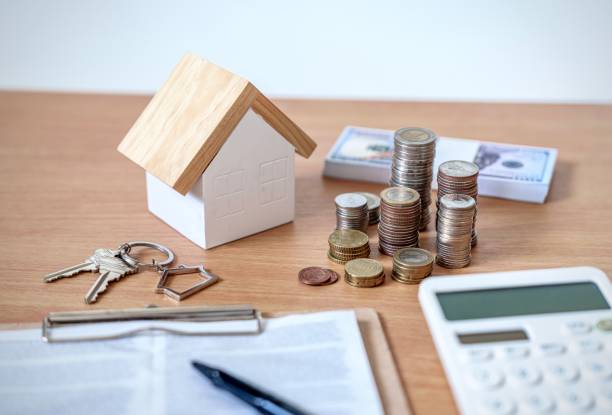
 A homeownership budget is not a static document drafted at closing and filed away with your mortgage paperwork. It is a living financial plan, a necessary tool that requires regular attention to ensure your largest asset remains a source of stability rather than stress. The fundamental rhythm for reviewing and adjusting this budget should follow a predictable annual cycle, with the crucial caveat that life’s unpredictable events demand immediate, responsive adjustments.The cornerstone of sound homeownership finance is an annual comprehensive review. This should be scheduled proactively, ideally tied to a consistent date such as the anniversary of your purchase or the start of the new year. This deep dive serves several critical purposes. Primarily, it is the time to account for inevitable changes in your recurring housing costs. Property taxes and homeowners insurance premiums rarely stay the same; municipalities reassess values, and insurance companies adjust rates for market conditions or claims history. An annual check allows you to incorporate these updated figures, preventing shortfalls. Furthermore, this review should coincide with a holistic look at your personal financial landscape. Have you received a raise or started a new job with a different income structure? Have your financial goals evolved, perhaps toward accelerated mortgage payments or funding a major renovation? The annual review is the platform to align your housing costs with these broader life and money objectives, ensuring your budget reflects your current reality, not the circumstances of years past.However, an annual cadence alone is insufficient. A prudent homeowner complements this with a quarterly or bi-annual check-in. These shorter, more frequent reviews are less about major overhauls and more about monitoring and maintenance. They are opportunities to track your actual spending against your budgeted amounts for home-related categories like utilities, maintenance, and repairs. Have your energy costs crept up with seasonal changes? Did a minor plumbing repair dip into your emergency fund? These check-ins allow for minor course corrections, such as adjusting a utility allocation for the coming season or deciding to rebuild your home repair fund after a small withdrawal. This practice fosters proactive financial awareness, helping you spot trends before they become problems and ensuring your budget remains a practical, working document.Critically, the most important principle is to abandon any fixed schedule in the face of a major life or financial event. Your budget must be adjusted immediately—not at the next annual review—when your circumstances shift significantly. Such events include a substantial change in household income, a new addition to the family, a job loss, or receiving a large inheritance. Similarly, changes in the broader economic environment warrant prompt attention. A significant shift in interest rates might prompt you to consider refinancing, which would drastically alter your monthly outflow. The decision to start a major home improvement project, which carries substantial and often unpredictable costs, also necessitates an immediate budget revision to plan for funding and potential loan servicing. In these moments, your budget is your primary tool for navigating change; allowing it to become outdated is a direct threat to your financial security.Ultimately, managing a homeownership budget is an exercise in balanced vigilance. The annual review provides the essential structural recalibration, the quarterly check-ins offer ongoing fine-tuning, and the willingness to adapt spontaneously to life’s surprises ensures resilience. By embracing this layered approach, you move from being a passive payer of bills to an active steward of your investment. Your home is more than four walls and a roof; it is a complex financial entity. Regular budget reviews are the discipline that transforms homeownership from a potential burden into a sustainable, and ultimately rewarding, pillar of your life. This ongoing engagement ensures that your home continues to serve your life, rather than your life revolving unmanageably around the cost of your home.
Yes, beyond the principal and interest, a mortgage includes other costs that contribute to your overall financial obligation. These can include closing costs, property taxes, homeowner’s insurance, and potentially PMI or HOA fees. These are ongoing expenses that add to your total cost of homeownership.
If you do not have enough cash to cover closing costs, your home purchase may not be able to close. It’s critical to budget for these costs early. If you are short, you can explore options like asking the seller for concessions, applying for a closing cost assistance grant, or, if eligible, using a gift from a family member.
A rate lock guarantees your interest rate for a specified period, protecting you from market increases. Ask how long the lock lasts, what happens if your closing is delayed, and if there is a fee to lock the rate or extend the lock.
Most reputable lenders do not charge an upfront fee for a pre-approval. The costs associated with the application and appraisal typically come later in the process, during the final loan underwriting.
Yes, it is possible through a “conforming refinance.“ This might be a smart financial move if your situation changes, such as:
Your local conforming loan limit increases, and your loan balance now falls under it.
You pay down your jumbo mortgage balance below the conforming limit.
Your credit score or financial profile improves significantly, making you eligible for a conforming loan with a better rate.