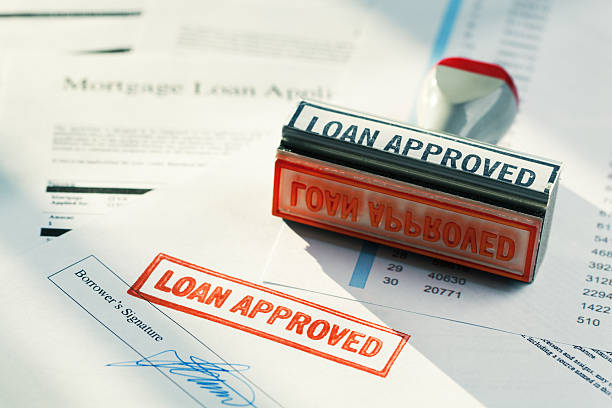


The journey to homeownership is a complex financial transaction built on a foundation of risk assessment. At the heart of this process lies mortgage underwriting, the meticulous evaluation of a borrower’s ability to repay a loan. While credit scores and debt-to-income ratios are crucial pieces of the puzzle, the property itself is the collateral securing the massive investment. This is where the professional appraisal becomes not just important, but absolutely critical. It serves as the independent, objective linchpin that protects all parties—the lender, the borrower, and the broader financial system—by verifying the property’s market value and condition, thereby ensuring the loan is both secure and justified.
Fundamentally, an appraisal provides the definitive answer to a singular, paramount question: Is the loan amount supported by the property’s true worth? Lenders are not in the business of owning real estate; they are in the business of lending money. If a borrower defaults, the lender must foreclose and sell the property to recoup its losses. An inflated sale price, driven by market exuberance or seller-buyer collusion, poses a severe risk. The appraisal acts as a safeguard against this by employing a licensed professional who compares the subject property to recently sold, similar properties in the area, making adjustments for differences to arrive at an unbiased opinion of value. If the appraised value falls short of the purchase price, the underwriting process flags a critical issue. The loan cannot be approved for the higher amount, as it would instantly be “underwater,“ exposing the lender to immediate loss. This valuation forms the bedrock upon which the loan-to-value ratio is calculated, a key metric determining loan risk and often the need for mortgage insurance.
Beyond mere valuation, the appraisal is a vital risk assessment tool regarding the property’s physical condition. The appraiser conducts a thorough visual inspection, noting obvious defects, safety hazards, or signs of significant deferred maintenance. While not a substitute for a home inspection, this evaluation alerts the underwriter to problems that could affect the property’s marketability or long-term stability. A roof in disrepair, foundational cracks, or faulty electrical systems can diminish value and pose future liabilities. The underwriter may then require specific repairs to be completed before closing, ensuring the collateral retains its worth. This function protects the borrower from overpaying for a compromised asset and shields the lender from securing a loan with a deteriorating property that could lose value rapidly.
The importance of the appraisal also extends to ensuring regulatory compliance and maintaining market stability. Lenders operate under strict federal and secondary market guidelines, particularly when selling loans to government-sponsored enterprises like Fannie Mae and Freddie Mac. These entities mandate independent, unbiased appraisals to prevent the conflicts of interest that contributed to the 2008 financial crisis. The appraisal provides the documented, defensible rationale for the loan decision, creating a transparent audit trail. This standardization fosters confidence in the mortgage-backed securities market, which relies on the underlying quality of the collateral. In this sense, a single appraisal contributes to the systemic health of the national housing finance system.
In conclusion, the appraisal is far more than a bureaucratic step in a real estate transaction. It is the cornerstone of prudent lending, providing the essential, objective data that underwriters require to make sound decisions. By definitively establishing a property’s market value and identifying potential red flags in its condition, the appraisal directly protects the lender’s financial interest and, by extension, the borrower’s investment. It transforms the property from a mere address into quantifiable, secure collateral, balancing the scales between the promise of repayment and the tangible asset backing that promise. Without this critical verification, underwriting would be a gamble based on incomplete information, jeopardizing individual loans and the integrity of the entire mortgage landscape.