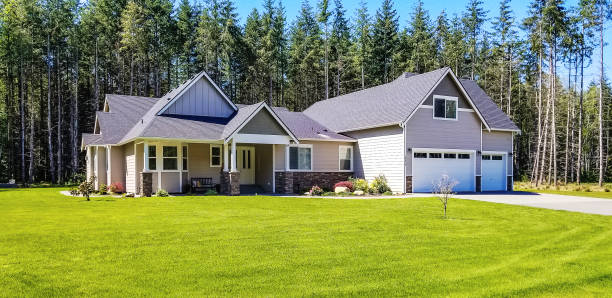
 When you buy a home, the backyard often looks like a blank canvas. You picture green grass, blooming flowers, a patio for grilling, and maybe a vegetable garden. But that blank canvas comes with a price tag that surprises many new homeowners. Landscaping is not just about planting a few bushes and calling it done. It involves planning, materials, labor, and ongoing care that can add thousands of dollars to your homeownership costs. Understanding these expenses upfront helps you make smart choices and avoid overspending.The first thing to realize is that landscaping is not a one-time project. It is an investment that continues year after year. Even a simple lawn requires mowing, watering, fertilizing, and weeding. If you hire a lawn service, you might pay fifty to one hundred dollars per visit, and during the growing season that adds up fast. If you do the work yourself, you still need a mower, trimmer, edger, and basic tools. A decent push mower costs around three hundred dollars, and a gas trimmer can be another two hundred. That is before you buy bags of fertilizer, weed killer, and grass seed.Now let’s talk about the big projects. A patio or deck is one of the most common landscaping features. A basic concrete patio, poured by a professional, can run from one thousand to three thousand dollars depending on size and location. A wooden deck is even more, often starting at three thousand and going up to ten thousand or more for a nice sized one with railings and stairs. If you want stone pavers or flagstone, expect to pay a premium. That is just the hardscaping. Then you need furniture, a grill, and maybe an umbrella. A simple patio set with four chairs and a table costs around five hundred to one thousand dollars. A nice gas grill can be another five hundred or more.Plants and trees are another cost that sneaks up on people. A small shrub from a garden center might cost ten to twenty dollars, but you likely need a dozen or more to fill a bed. Larger trees can cost a hundred dollars or more each, and that does not include delivery or planting. If you hire a landscaper to design and plant an entire yard, the bill can easily hit five thousand dollars or more. Many homeowners underestimate how many plants are needed to make a yard look full. A single flower bed might require ten to twenty plants, plus mulch or rocks to cover the soil.Mulch is a recurring expense. A cubic yard of mulch costs around thirty to forty dollars, and most yards need several cubic yards each year to keep beds looking fresh. Over time, that adds up. If you use stone or gravel instead, the upfront cost is higher, but you do not need to replace it every year. However, stone does not break down and feed the soil like organic mulch, so you may need to fertilize more.Water is another hidden cost. A lush green lawn in the summer can double or triple your water bill. If you live in a dry area, you might need an irrigation system. A basic lawn sprinkler system installed by a professional can cost one thousand to three thousand dollars for a small yard. That is before you factor in the extra water usage. Some communities also have watering restrictions or fees, so check with your local utility.Maintenance tools and supplies are ongoing expenses. A good hose costs twenty to fifty dollars. A nozzle, sprinkler, and timer add more. Then there is the cost of gas or electricity for lawn equipment. A gas mower consumes fuel and oil, and eventually needs blade sharpening or replacement. Electric models save on gas but may have battery replacements every few years. If you have a leaf blower, hedge trimmer, or chainsaw, those are additional purchases and maintenance costs.Many new homeowners also overlook the cost of soil improvement. Your yard might have poor soil, clay, or rocks. Amending the soil with compost, topsoil, or peat moss can cost a few hundred dollars for a small garden bed. If you want a vegetable garden, you might build raised beds, which require lumber, soil mix, and seeds or seedlings. A simple four-by-eight-foot raised bed can cost one hundred to two hundred dollars to set up.Landscaping also includes lighting. Path lights, spotlights, and deck lights make your yard usable at night and improve safety. A basic solar light set costs thirty dollars, but they are dim and often break after one season. Low-voltage lighting installed by a professional can cost several hundred to over a thousand dollars, depending on how many fixtures you want.Finally, do not forget about the hidden costs of pests and diseases. Bugs, fungus, and weeds will show up. Pesticides, herbicides, and fungicides cost money and time. If you prefer organic solutions, they often require more frequent application. And if a disease kills a tree or shrub, you have to replace it.So what can you do to keep landscaping costs under control? Start small. Do not try to do everything in the first year. Focus on one area at a time, like the front yard or a small patio. Learn to do simple tasks yourself, like mowing, weeding, and planting. Buy tools gradually as you need them. Use native plants that require less water and care. Choose mulch over stone if you want to save upfront, but be prepared to replace it annually. And always get multiple quotes if you hire a professional landscaper.Landscaping adds beauty, privacy, and value to your home. But it is not cheap. By planning ahead and understanding the real costs, you can enjoy your yard without blowing your budget. A little knowledge goes a long way toward making your outdoor space a place you love, not a money pit you regret.
This is the fundamental difference in how you pay back the loan: Repayment Mortgage: Each monthly payment covers the interest charged and a portion of the original loan amount. At the end of the term, the loan is guaranteed to be fully repaid. Interest-Only Mortgage: Your monthly payments only cover the interest. The original loan amount remains unchanged and must be repaid in full at the end of the term through a separate repayment strategy.
Act immediately and proactively. Do not ignore the problem. Your options include:
Contact Your Lender: Lenders have hardship programs and may offer forbearance, a loan modification, or a repayment plan.
Explore Government Programs: Programs like the FHA’s Partial Claim or VA options may be available.
Seek Counseling: A HUD-approved housing counselor can provide free, expert advice.
Paying off a collection account is generally a good practice and may be required by some lenders for mortgage approval. However, the impact on your score can vary. Newer scoring models ignore paid collections, which can help. For the best mortgage qualification, it’s often advised to pay off collections, but be sure to get a “pay for delete” agreement in writing if possible, where the collector agrees to remove the account from your report entirely.
You will typically need to provide:
Proof of income: Recent pay stubs, W-2s from the past two years, and tax returns.
Proof of assets: Bank and investment account statements.
Identification: A government-issued ID, like a driver’s license or passport.
Credit authorization: Lenders will pull your credit report with your permission.
The first step is to thoroughly review your finances. Create a detailed budget to understand your income, expenses, and current savings. Then, subtract the funds you need to keep for closing costs, emergencies, and moving to see what remains for a comfortable and affordable down payment.