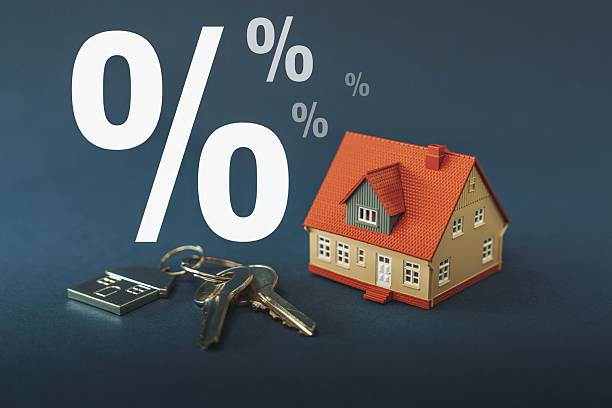
Mortgage ads are built to get your attention, not give you the full story. You see a big number and a friendly face, and it is easy to think you found a deal nobody else has. But if an offer sounds too good to be true, there is usually a catch in the fine print. Your job is not to become a mortgage expert. Your job is to slow down, ask better questions, and compare the real cost, not the headline.
The most common trick is the teaser rate. A lender advertises a rock-bottom interest rate. What the ad may not say is that the rate is only for a short time, or it only applies if you have perfect credit, put 20 percent down, buy a primary home, and pay extra points at closing. That low rate may also be for an adjustable-rate mortgage, which means it can jump after the initial period. If you are not that exact borrower, you will not get that exact rate. The ad is not necessarily lying, but it leads you to a conclusion that may not be true for you.
Then there is the payment quote. An ad might say “payments as low as $899 a month,” but that number often leaves out property taxes, homeowners insurance, homeowners association dues, and mortgage insurance if you put less than 20 percent down. It may also be based on an interest-only period or a 40-year loan that stretches your debt longer. A lower payment can feel like relief, but it can mean you build equity more slowly and pay much more interest over time. The real question is not “What is the lowest possible payment?” It is “What will I actually pay each month, and what will this loan cost over the full term?”
Watch for “no closing cost” promises. Closing costs do not disappear. Someone pays them. The lender may cover them by charging you a higher interest rate, adding the costs to your loan balance, or rolling them into a bigger loan. That can make the deal look cheaper up front while costing you thousands more later. The same goes for “free” appraisals, “no lender fees,” and “zero down” offers. There may be a legitimate program behind them, such as a VA loan or a first-time homebuyer program, but those programs have rules, limits, and eligibility requirements. A generic ad that makes it sound like anyone can qualify is a warning sign.
Be careful with official-sounding language. Ads may use names that sound like government agencies, but they are private companies trying to sell you a loan. They may say “approved” when they only mean “pre-qualified,” which is a soft estimate, not a real commitment. They may promise “instant approval” without checking your income, debts, or credit history. A real approval takes documents and verification. If a company asks for a fee before it shows you written terms, or pressures you to act right now because the rate will vanish, take a step back. Pressure is a sales tactic, not a favor.
You also need to compare the annual percentage rate, often called the APR, not just the interest rate. The APR includes certain lender costs and points, so it gives you a more complete picture of the loan’s cost. It is not perfect, and it can be confusing, but if one ad screams a low rate while burying a high APR, that tells you something. Ask for a written Loan Estimate. That form is designed to show the rate, monthly payment, closing costs, and important details in one place. Any lender who will not give you one is not worth your time.
Finally, remember that the best mortgage is not the one with the loudest ad. It is the one that fits your budget, your timeline, and your long-term plan. Ask how long the rate is locked, whether there is a prepayment penalty, what happens if you sell or refinance early, and how the payment could change. Get quotes from more than one lender and compare them side by side. Misleading advertising works best when you are rushed and alone. When you slow down and ask direct questions, you take away its power.