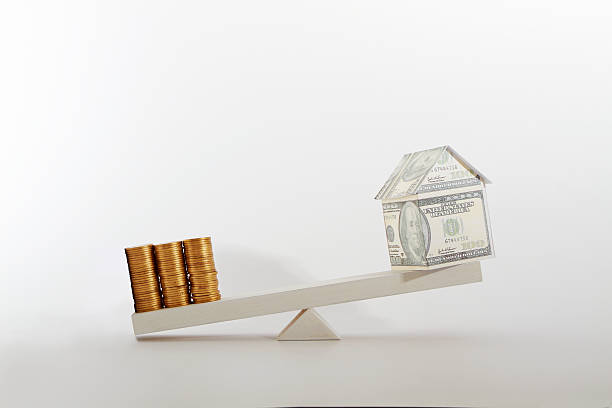
 Your home is likely the most valuable thing you own. Over time, as you pay down your mortgage and property values rise, you build up equity. That equity is the portion of your home you truly own, free and clear. It feels like a giant pile of cash sitting there, waiting to be used. Many homeowners are tempted to pull that equity out for a big purchase, like a new car, a boat, a fancy vacation, or even just to pay off credit card debt. This is called leveraging your home equity. While it sounds like a smart way to get money, using home equity to buy things that lose value is one of the riskiest financial moves a regular homeowner can make.Think of equity as a safety net. It is not a credit card. When you pull equity out, you are converting part of your house into cash. But you don’t just get free money. You are taking out a new loan, or increasing your existing mortgage balance, and you must pay that loan back with interest. The danger comes when you spend that cash on something that depreciates. Depreciation means it loses value the moment you buy it. A brand new car is the best example. The second you drive it off the lot, its value drops by thousands of dollars. A boat, an RV, or expensive electronics work the same way. You are trading a stable asset that usually grows in value over time for things that rapidly become worth less.Here is the math problem. Let us say you have one hundred thousand dollars in home equity. You take out a home equity loan for thirty thousand dollars to buy a new SUV. Now, you have a thirty thousand dollar loan to repay, plus interest, on top of your regular mortgage payment. That SUV might be worth only twenty thousand dollars a year later. You still owe the full thirty thousand dollars, plus interest, even though the car is worth much less. You are now underwater on that car, meaning you owe more than it is worth. But the real danger is that your loan is secured by your house. This is a crucial point. A home equity loan is not like a car loan. If you cannot pay back a regular car loan, the bank can repossess the car. If you cannot pay back a home equity loan, the bank can take your house.This is the core risk of leveraging your equity for depreciating assets. You are putting your home on the line for something that will not hold its value. If you lose your job or face a medical emergency, that car payment becomes impossible. Missing payments on a home equity loan can lead to foreclosure. Your house is now at risk because of a car you bought years ago that is now old and worthless. Many homeowners do not think about that worst-case scenario. They see the low monthly payment on the home equity loan and think they can handle it. But life changes. Interest rates can rise if you have a variable rate home equity line of credit. Your income can drop. The economy can shift. When that happens, you are stuck with a large debt secured by your most important asset.Another major risk is what experts call the debt spiral. Many people use home equity to pay off high-interest credit card debt. At first, this seems smart. You swap twenty percent credit card interest for a much lower home equity loan interest rate. You feel relieved. But the problem is human behavior. Once the credit cards are paid off, people often run them back up. Now you have new credit card debt plus the home equity loan. You have doubled your debt load, and both payments must be made. You have not solved the spending problem. You have just moved the debt around and put your house in the middle of it. This is a very common trap that leads to financial ruin.Furthermore, when you pull equity out, you reduce the amount of money you might get when you sell your house. If you have a house worth four hundred thousand dollars and a three hundred thousand dollar mortgage, you have one hundred thousand in equity. If you take out a fifty thousand dollar home equity loan, your total debt is now three hundred fifty thousand dollars. When you sell, you get only fifty thousand dollars. That is a huge difference. For retirees or people planning to move, this can be devastating. They counted on that equity for a new home or for retirement income.The safest way to treat your home equity is as an emergency fund for true emergencies, not as a way to buy lifestyle items. A medical crisis, an unexpected major home repair, or a job loss are valid reasons. A new kitchen, a vacation, or a car are not. By using equity for depreciating items, you are essentially renting money from the bank to buy things that will be worthless before you finish paying for them. You end up working for years to pay for memories or worn-out vehicles, while your house has less value in your pocket. Protect your equity. It is the difference between financial stability and a house of cards that can collapse when the wind blows.
Gross Domestic Product (GDP) is the broadest measure of a country’s economic activity. Strong GDP growth suggests a robust economy, which can lead to higher confidence, wage growth, and housing demand. However, overly strong growth can also reignite inflation fears, putting upward pressure on mortgage rates. Conversely, weak GDP growth or a recession can lead to lower rates as the Fed acts to stimulate the economy.
Potentially, yes. Once you have a mortgage, your DTI increases. When you apply for new credit, lenders will see this major financial obligation and may be hesitant to extend additional credit if your DTI is too high, as it suggests a larger portion of your income is already committed to debt repayment.
Your loan officer will receive a formal list of conditions from the underwriter and will contact you immediately, typically via email or phone. They will explain each item clearly and tell you exactly what is needed and how to provide it.
Closing costs typically range from 2% to 5% of the home’s purchase price. This question helps you understand all the associated fees, such as origination fees, appraisal fees, title insurance, and prepaid items like property taxes and homeowners insurance.
For most federally regulated mortgage transactions in the U.S., the lender is required to order the appraisal independently through an Appraisal Management Company (AMC). This rule was implemented to prevent any undue influence on the appraiser. Therefore, borrowers cannot choose their own appraiser.