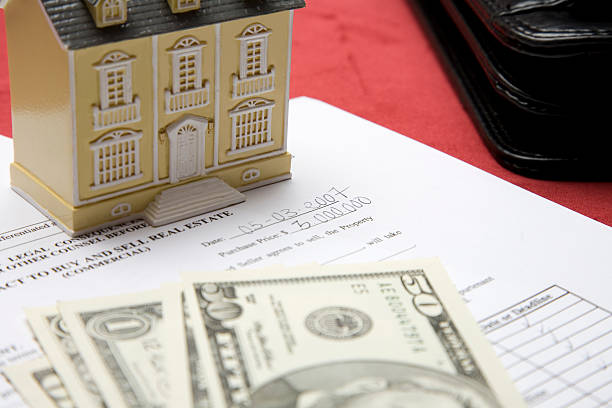
 When prospective homeowners calculate their path to ownership, the primary focus is often the principal loan amount and the advertised interest rate. This surface-level calculation, however, can obscure a complex web of additional financial obligations that are inextricably woven into the mortgage process. The answer to whether there are hidden costs that add to your debt is a resounding yes. These costs, which extend beyond the simple repayment of borrowed capital, can significantly increase your overall debt burden and the total price paid for your home over the life of the loan.The most immediate layer of hidden costs appears at the closing table, bundled into what are termed closing costs. These are one-time fees, typically ranging from two to five percent of the loan’s value, that borrowers must pay to finalize the mortgage. This bundle includes charges for the lender’s services in processing and underwriting the loan, fees for the appraisal required to validate the home’s market value, and title insurance to protect against ownership disputes. While these are upfront costs paid out of pocket or rolled into the loan amount—thereby increasing the initial debt—they are just the beginning. Many buyers, especially first-timers, are surprised by the totality of these fees, which can add thousands of dollars to the sum needed to secure the keys.Beyond closing, ongoing costs are systematically integrated into the monthly mortgage payment, often through an escrow account. Here, the concept of “PITI” becomes crucial: Principal, Interest, Taxes, and Insurance. While principal and interest repay the loan itself, the “TI” portion represents a continuous, debt-adjacent obligation. Property taxes, levied by local governments, are collected by the lender and paid annually, with a portion included in each monthly payment. Similarly, homeowners insurance, a mandatory requirement for lenders, is paid through escrow. These are not debts to the bank in the traditional sense, but they are compulsory costs that inflate the monthly outflow and, if unpaid, could lead to default. Furthermore, if your down payment is below twenty percent, lenders will require Private Mortgage Insurance (PMI). This insurance protects the lender, not you, and can add a substantial monthly premium—sometimes hundreds of dollars—until sufficient equity is built, directly increasing your recurring debt service.Perhaps the most insidious hidden cost is the interest over time, particularly with long-term loans. A seemingly small difference in the annual percentage rate (APR), which incorporates some fees to give a broader cost picture, can translate to tens of thousands of dollars in additional interest paid over thirty years. Furthermore, certain loan features can deepen debt. For instance, opting for an “interest-only” period or an adjustable-rate mortgage that resets to a higher rate can cause payment shock and increase total interest paid. Even seemingly minor choices, like accepting a slightly higher rate in exchange for lender credits to cover closing costs, can be a costly trade-off when calculated over the decades.In conclusion, a mortgage is far more than a simple loan for a home’s price tag. It is a financial vehicle laden with layered costs that amplify debt. From the upfront closing fees that boost the initial loan balance to the perpetual escrow charges for taxes and insurance, and the profound long-term weight of compounded interest, these hidden expenses define the true cost of homeownership. An informed buyer must therefore look past the principal and stated rate, scrutinizing the Loan Estimate and Closing Disclosure documents to understand the APR, and budgeting not just for the monthly payment but for the full, lifelong financial commitment. Recognizing these hidden costs is the first step toward making a sustainable investment and ensuring that the dream of homeownership does not become a debt-laden burden.
A common rule of thumb is to consider refinancing when interest rates are at least 0.5% to 0.75% lower than your current rate. However, this depends heavily on your loan balance, how long you plan to stay in the home, and the closing costs associated with the new loan. Use a break-even analysis to determine the exact point where you start saving.
Closing Delays: The home buying process is time-sensitive. Starting over can add 2-4 weeks, potentially causing you to miss your closing date and breach the contract.
Losing Your Earnest Money Deposit: If the delay causes you to fail to close on time, the seller could be entitled to keep your deposit.
Additional Costs: You will likely have to pay for a new appraisal and may lose application fees paid to the first lender.
Straining Seller Relations: The seller may become anxious and less willing to negotiate if issues arise.
Earthquake damage is typically excluded from standard homeowners policies. While it is not usually a mandatory requirement from lenders, if you live in a high-risk area like California, it is highly recommended. The decision to purchase it is ultimately up to the homeowner.
The most reliable method is to ask the seller or their real estate agent for copies of utility bills from the last 12 months. This will show you seasonal fluctuations and provide a realistic average. You can also contact the local utility providers directly; many offer average cost information for a specific address.
The monthly payment on a 15-year mortgage is significantly higher because you are paying off the same loan amount in half the time. For example, on a $400,000 loan at a 6.5% interest rate, the principal and interest payment for a 30-year term would be approximately $2,528. For a 15-year term at the same rate, the payment jumps to about $3,484—nearly $1,000 more per month.