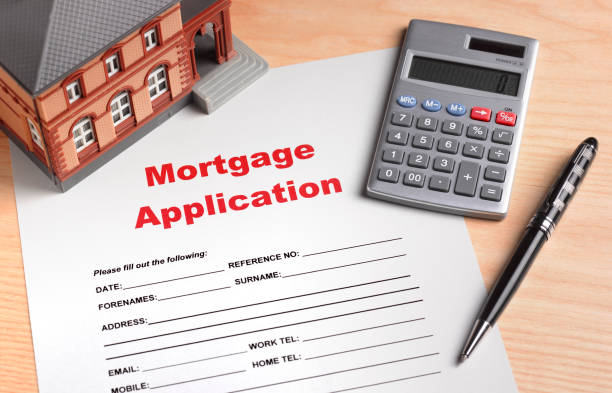
 The discovery of a collection account on your credit report can feel like a financial anchor, dragging down your credit score and your peace of mind. A natural and urgent question arises: should I pay off these accounts to improve my score? The answer, frustratingly, is not a simple yes or no. While paying off debts is generally a responsible financial act, the impact on your credit score is nuanced and depends heavily on the scoring model being used and the specific details of the account.First, it is crucial to understand how collection accounts affect your credit under traditional scoring models, primarily FICO 8, which is still widely used by lenders. In these models, the most significant damage from a collection occurs when it first appears on your report. This negative mark severely impacts your payment history, the most important factor in your score. However, FICO 8 and earlier versions treat unpaid and paid collections largely the same for scoring purposes. The status changes from “unpaid” to “paid,“ but the account itself remains a derogatory mark for seven years from the date of first delinquency. Therefore, simply paying a collection in full may not result in a meaningful score increase under these older models. The account’s presence continues to hurt you.The landscape shifts with newer credit scoring models, namely FICO 9 and VantageScore 3.0 and 4.0. These modern algorithms do distinguish between paid and unpaid collections. In FICO 9, paid collection accounts have a much smaller, and sometimes zero, impact on your score. VantageScore ignores paid collections entirely. This creates a critical divergence: if a lender is using an older model, paying may not help your score much; if they use a newer one, it could be very beneficial. Unfortunately, you often cannot know which model a lender will pull, making the decision less clear-cut.Beyond the immediate score impact, there are practical reasons to consider paying. Some lenders, particularly for major loans like mortgages, will not approve you with unpaid collections on your report, regardless of your score. Underwriting guidelines often require that collections be resolved before closing. Furthermore, paying the debt prevents the collection agency from pursuing further legal action, such as a lawsuit for a judgment, which would create an even more severe credit report entry. There is also the personal satisfaction and ethical weight of fulfilling a financial obligation.Given this complexity, your strategy should be deliberate. Before making any payment, always validate the debt by requesting a debt validation letter from the collector. Ensure the debt is yours, the amount is correct, and the statute of limitations for litigation in your state has not expired. Once validated, consider negotiating. You can often settle for less than the full amount. If you choose to do so, seek a “pay-for-delete” agreement in writing. This is where the collector agrees to remove the collection account from your credit report entirely in exchange for payment. While the major credit bureaus discourage this practice, some collection agencies will agree. A successful pay-for-delete is the only way to guarantee the negative item is removed, which is the optimal outcome for your score.Ultimately, the decision to pay a collection account involves weighing scoring mechanics against broader financial health. If your goal is to immediately boost your score for a specific loan, paying may not be the quick fix you hope for under older scoring systems. However, for long-term credit rebuilding, preparing for a major mortgage application, or simply achieving financial closure, paying or settling the debt is a prudent step. The most impactful actions for your score remain consistently paying current bills on time, keeping credit card balances low, and allowing time to pass, as the effect of all negative entries diminishes as they age. Resolving collections is one piece of a larger credit repair puzzle, best approached with managed expectations and a focus on overall financial stability.
Yes. Your lender is required by law to provide you with a Loan Estimate within three business days of your application, which details the expected closing costs. You will then receive a Closing Disclosure at least three business days before closing, which provides the final costs.
A thorough title search can reveal a variety of issues, including:
Unpaid property taxes or homeowner association (HOA) fees.
Outstanding mortgages or home equity loans from previous owners.
Liens from contractors (mechanic’s liens) for unpaid work.
Court judgments against the previous owner.
Restrictions or covenants that limit how the property can be used.
Errors in public records, such as incorrect names or property boundaries.
Claims from missing heirs or issues with past wills.
While requirements can vary by lender, jumbo loans typically require a larger down payment than conforming loans. It is common for lenders to require a down payment of 10% to 20%, and sometimes even more for extremely high-value properties or borrowers with complex financial profiles.
Do NOT cancel your automatic payments with your old servicer immediately.
Your final payment to the old servicer should cover the month leading up to the transfer date.
You must set up a new automatic payment (or one-time payment) with the new servicer for all payments due after the transfer effective date.
To ensure the best possible outcome:
Provide the appraiser with a list of recent improvements and their costs.
Ensure the home is clean, tidy, and well-maintained.
Make sure all areas of the home, including attics and crawl spaces, are accessible.
Have a list of comparable sales you believe support your value (your real estate agent can help with this).