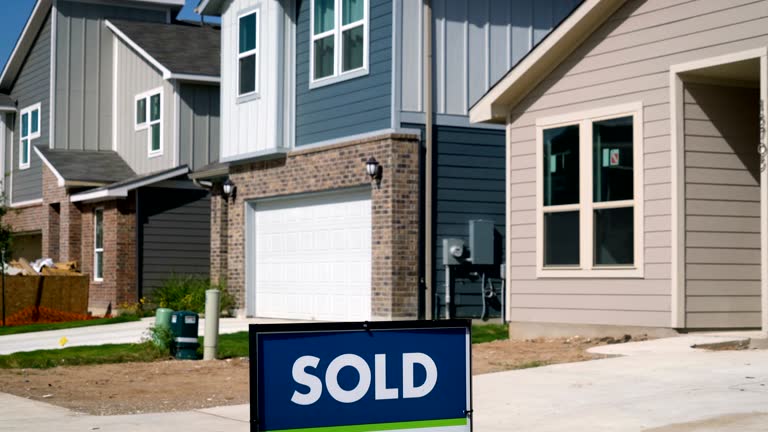
 In the intricate world of real estate valuation, the term “drive-by” appraisal is often used, carrying with it a mix of practicality and misconception. Contrary to what the colloquial name might suggest, a drive-by appraisal is a formal valuation method recognized by lenders, more accurately termed an exterior-only appraisal or a 2055 form appraisal. It is a legitimate tool designed to provide a property value estimate under specific conditions, but its limitations are crucial for both homeowners and buyers to understand.At its core, a drive-by appraisal is an appraisal where the licensed appraiser does not enter the subject property. Instead, the valuation is based on an exterior inspection of the home and its immediate surroundings from the street. The appraiser will assess the property’s condition, size, style, and any visible external upgrades or detriments. To complete the report, they heavily rely on third-party data, including public records for square footage, bedroom and bathroom counts, and lot size, as well as recent sales data of comparable properties in the neighborhood. The primary goal is to confirm that the property’s value is sufficient to secure the loan, based on its external presentation and market data, without the cost or time of a full interior inspection.This type of appraisal is typically ordered in specific, low-risk lending scenarios. It is most common for mortgage refinancing, particularly when there is significant equity in the home, or for home equity lines of credit (HELOCs). In these cases, the lender’s risk is lower, and a full interior appraisal may be deemed unnecessary. It may also be used in some purchase transactions where the loan-to-value ratio is very favorable, though this is less frequent as buyers and lenders often prefer the certainty of an interior inspection. The drive-by appraisal offers distinct advantages, namely speed and reduced cost. By eliminating the need to coordinate an interior visit with homeowners, the process can be completed more quickly, and the fee is generally lower than that of a full appraisal.However, the significant limitations of a drive-by appraisal cannot be overstated. Because the appraiser never steps inside, the valuation completely overlooks the interior condition of the home. Critical factors that dramatically influence market value—such as updated kitchens and bathrooms, the quality of finishes, floor plan functionality, or, conversely, interior damage, deferred maintenance, or outdated systems—are not considered. The appraisal assumes the interior condition is consistent with the neighborhood standard, which can be a substantial gamble. A beautifully renovated home may receive an undervalued assessment, while a property with a pristine exterior but a dilapidated interior could be overvalued, posing a risk to the lender.This inherent limitation is why drive-by appraisals are unsuitable for many transactions. For most home purchases, especially for first-time buyers or those with higher loan-to-value ratios, lenders will insist on a full appraisal with an interior inspection to protect their investment. Furthermore, in neighborhoods with diverse home conditions or for unique properties, an exterior-only inspection provides an incomplete and potentially inaccurate picture of value.In conclusion, a drive-by appraisal is a legitimate but limited valuation tool in the mortgage industry. It serves as a cost-effective, expedient option for certain refinancing and equity scenarios where the lender’s risk is minimal. Yet, its defining characteristic—the lack of an interior inspection—is also its greatest weakness. For homeowners, it is essential to recognize that this method will not capture the value of interior improvements. For buyers and lenders in standard purchase transactions, the risks of an unseen interior make the full appraisal the necessary and prudent choice to ensure the property’s valuation is sound, accurate, and reflective of its true market worth.
Private Mortgage Insurance (PMI) is a fee that protects the lender if you default on your loan. It is typically required on conventional loans when your down payment is less than 20%. This adds an extra cost to your monthly payment until you build at least 20% equity in the home.
Yes, it is very common for your escrow payment to change. Since it is based on the actual cost of taxes and insurance, any increase in your property tax bill or homeowners insurance premium will result in a higher escrow payment. Your lender will perform an annual escrow analysis to adjust your payment accordingly for the coming year.
Yes, you can. The process typically involves applying for the mortgage and, if approved, you will be required to open a membership account (usually a small savings account with a minimal deposit, often $5-$25) to fund the loan. The mortgage application itself can often be started before formal membership is established.
This is a classic financial dilemma. Paying down your mortgage offers a guaranteed, risk-free return equal to your mortgage interest rate. Investing offers the potential for a higher return but comes with market risk. A common approach is to split extra funds between the two, or to focus on the mortgage if you are risk-averse and value peace of mind.
Both products typically involve closing costs, which can include application fees, appraisals, and title searches. However, HELOCs sometimes have lower upfront costs and may even be offered with “no-closing-cost” options, where the lender covers the fees in exchange for a slightly higher interest rate.