For many aspiring homeowners, the path to purchasing a house begins with understanding their financial standing, a process often initiated with the terms “pre-qualification” and “pre-approval.“ While these phrases are frequently used interchangeably in casual conversation, they represent distinct stages in the mortgage process, each with different levels of rigor and significance. Recognizing the difference between a mortgage pre-qualification and a pre-approval is not merely an exercise in semantics; it is a crucial step that can determine one’s strategy, negotiating power, and ultimate success in a competitive housing market.
A pre-qualification is typically the initial, informal step. It is a preliminary assessment based on a conversation between a potential borrower and a lender. During this process, the borrower provides a self-reported overview of their financial situation, including income, assets, debts, and credit history. The lender then uses this information to give a rough estimate of how much money the borrower might be eligible to borrow. This step is often quick, can sometimes be done online or over the phone, and usually does not involve a deep dive into documentation or a hard inquiry on the borrower’s credit report. As such, a pre-qualification letter is a useful tool for setting realistic expectations early in the home-buying journey. It offers a general financial snapshot, helping individuals understand their approximate price range before they begin serious house hunting. However, its informal nature is its primary limitation; because it relies on unverified information, a pre-qualification is not a guarantee of a loan and holds little weight with sellers who are evaluating multiple offers.
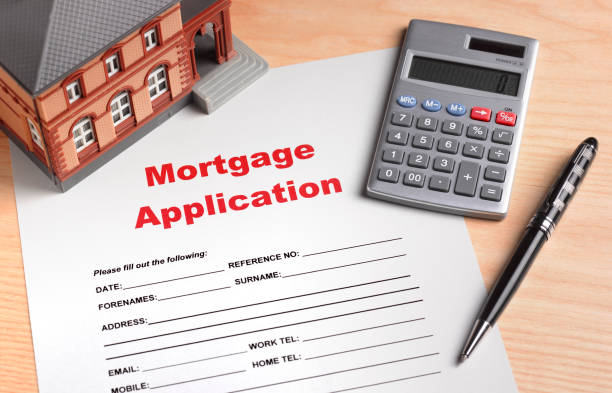
In stark contrast, a pre-approval is a formal, in-depth process that moves far beyond casual conversation. To obtain a pre-approval, a borrower must complete a formal mortgage application and submit a comprehensive suite of verifying documents to the lender. This dossier includes recent pay stubs, W-2 forms, tax returns, bank statements, and authorization for the lender to perform a thorough credit check. The lender then undertakes a detailed underwriting review of this verified financial profile. They will examine debt-to-income ratios, credit score, employment history, and asset verification to make a conditional commitment to lend a specific amount at a specific interest rate. The result is a pre-approval letter, a powerful document that states the lender is prepared to finance the borrower’s home purchase up to a certain loan amount, pending a satisfactory appraisal and clear title on the property.
The practical implications of this distinction are profound, especially in a competitive real estate market. A pre-approval signals to real estate agents and sellers that the borrower is a serious, credible buyer whose finances have been vetted by a professional lender. When presenting an offer, a pre-approval letter can provide a significant advantage over buyers who only have a pre-qualification or no documentation at all, as it reduces the perceived risk of the deal falling through due to financing issues. Essentially, a pre-approval brings the buyer much closer to the finish line, streamlining the final loan approval process once a purchase agreement is signed. It provides a clearer, more reliable budget framework, allowing for confident and focused house hunting within a firm financial boundary.
In conclusion, while both pre-qualification and pre-approval are valuable milestones on the road to homeownership, they serve different purposes and carry different weights. Think of pre-qualification as a useful first date with your financial potential—a no-commitment introduction. Pre-approval, however, is the equivalent of a formal engagement—a conditional commitment based on verified trust and thorough examination. For any serious homebuyer, beginning with a pre-qualification for initial guidance and then diligently pursuing a formal pre-approval before actively making offers is the most strategic approach. This two-step process not only clarifies one’s own financial picture but also positions the buyer as a formidable and prepared contender in the quest to secure a dream home.