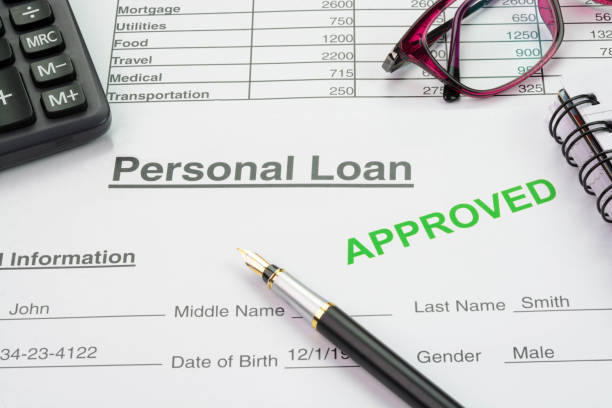
The journey to homeownership is often paved with financial paperwork, and one of the most critical first steps is securing a mortgage pre-approval. This process, which provides a lender’s conditional commitment to loan you a specific amount, is essential for making serious offers in a competitive market. A common and pressing question for buyers is: how long does this pre-approval take? While the desire for a swift answer is understandable, the timeline is not one-size-fits-all; it typically ranges from a few hours to several business days, with the speed largely dependent on the preparedness of the applicant and the efficiency of the lender.
At its core, a pre-approval is a preliminary but in-depth evaluation of your financial health. Unlike a simple pre-qualification, which is often a quick conversation based on unverified information, a true pre-approval requires you to submit official documentation for the lender to verify. This includes recent pay stubs, W-2 forms from the past two years, federal tax returns, bank and investment account statements, and authorization for a hard credit check. The lender then uses this dossier to assess your debt-to-income ratio, credit score, employment history, and assets. Therefore, the single greatest factor determining the speed of your pre-approval is how quickly and completely you can gather and submit these documents. An applicant with all documents organized and digitally ready can trigger a much faster review than one who needs to hunt down paperwork.
The method you choose to engage with a lender also significantly impacts the clock. In the current digital age, many online lenders and large banking institutions have streamlined, automated platforms that can sometimes deliver a pre-approval letter within a few hours or by the next business day. These systems use algorithms to quickly parse submitted documents and credit data. Conversely, working directly with a local bank or a dedicated mortgage broker might add a day or two to the process, as it often involves more personal hands-on analysis and communication. This human touch, however, can be invaluable for complex financial situations, such as those involving self-employment income or unique assets, where an automated system might struggle or deny an application that a human expert could successfully navigate.
It is crucial to recognize that certain applicant profiles will inevitably face a longer timeline. Self-employed individuals, for instance, often require the submission of additional years of tax returns and profit-and-loss statements, extending the verification period. Similarly, anyone with recent gaps in employment, a complex credit history, or significant debt may find their application undergoing more stringent and time-consuming manual underwriting. Furthermore, during periods of exceptionally high mortgage application volume, such as during a refinancing boom or a hot housing market, lenders simply become backlogged, and what might normally take one day could stretch to three or four.
In conclusion, while the technological advances in lending have created a pathway to near-instantaneous pre-approval for some, the prudent homebuyer should plan for a process of one to three business days under normal circumstances. The most effective strategy to ensure a swift outcome is to approach the process with diligence: before even contacting a lender, take time to organize your financial records, review your credit report for errors, and understand your own budget. By being prepared, you transform from a passive participant into an active facilitator of the timeline. Ultimately, the pre-approval is not a race but a foundational step, and investing the necessary time to secure a solid, accurate pre-approval letter will pay dividends when you find the perfect home and need to move confidently and quickly to make an offer.