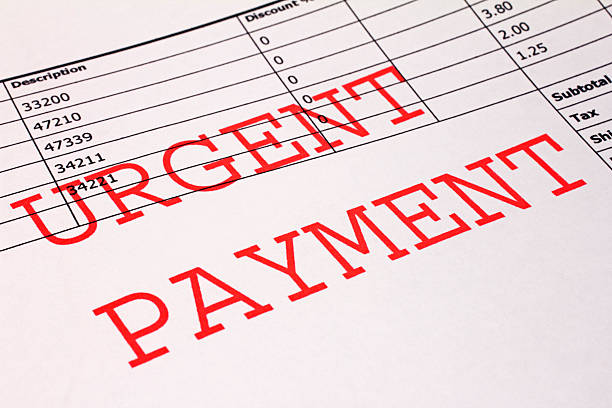
 The journey to homeownership is punctuated by a significant milestone known as closing day, a meeting where ownership is formally transferred from seller to buyer. Central to this process are closing costs, the various fees and expenses associated with finalizing a real estate transaction. A common and crucial question for both first-time and seasoned buyers is: when are these closing costs actually paid? The straightforward answer is that closing costs are typically paid in a single lump sum at the real estate closing itself, when the transaction is finalized and the keys are handed over. However, this simple answer belies a more nuanced financial process that unfolds in the days leading up to that moment.Closing costs are not paid piecemeal as individual bills come due. Instead, they are accumulated, detailed, and settled in one comprehensive financial event. This occurs during the closing meeting, which is also called settlement or escrow. At this meeting, which can be conducted in person or increasingly via remote online notarization, all parties sign the final paperwork. The buyer will bring a cashier’s check or arrange a wire transfer for the total amount needed to close. This sum is a combination of the remaining down payment and the total of all closing costs. These funds are then distributed by the closing agent or attorney to the appropriate parties, such as the lender, title company, local government, and the seller.It is vital to understand that while payment happens at the table, the financial preparation occurs well in advance. The pivotal document in this process is the Closing Disclosure. For most residential transactions, lenders are required by law to provide the buyer with this form at least three business days before the scheduled closing date. The Closing Disclosure provides a final, itemized accounting of all closing costs, including loan origination fees, appraisal fees, title insurance, escrow deposits for taxes and insurance, and recording fees. This three-day review period is not just a formality; it is a consumer protection designed to give the buyer time to compare these final numbers with the earlier Loan Estimate received at the application stage, ask questions, and ensure there are no surprising or erroneous fees. There is no payment during this period; it is strictly for review and confirmation.While the lump-sum payment at closing is the standard, there are two notable exceptions where closing-related expenses are paid earlier. The first is the earnest money deposit, submitted with the initial offer to demonstrate serious intent. This deposit is typically held in an escrow account and is later credited toward the buyer’s down payment or closing costs at settlement, meaning it reduces the amount due at closing. The second exception involves upfront fees during the loan processing period. Some services, like the home appraisal or a credit report fee, may occasionally be required to be paid at the time the service is ordered, rather than being rolled into the closing sum. However, most lenders now prefer to include even these in the total closing costs for simplicity.In conclusion, the payment of closing costs is the culminating financial act of purchasing a home, consolidated into a single transaction at the closing table. This system, governed by disclosure and review periods, is designed to provide transparency and protect the buyer from last-minute surprises. The process underscores the importance of careful financial planning, as buyers must have the significant funds for both down payment and closing costs liquid and ready to transfer on a specific date. By understanding that payment occurs at closing, but that the exact amount is known and should be verified days prior, homebuyers can approach this final hurdle with confidence, fully prepared to cross the threshold into their new home.
Be prepared to provide additional documentation. For a job change, an employment contract or offer letter may suffice. For credit issues, you may need to provide a written letter of explanation and documentation showing the issue has been resolved (e.g., a paid collection account receipt).
Yes, absolutely. While your general emergency fund (3-6 months of living expenses) covers income loss, a separate home maintenance fund is specifically for unexpected household repairs, like a broken water heater or a leaking roof. This prevents you from derailing your overall financial stability when a home-related crisis occurs.
Lenders are legally required to automatically terminate your PMI once you reach the date when your principal balance is scheduled to reach 78% of the original value of your home. You can also request PMI cancellation earlier, once you reach 80% LTV based on the original purchase price.
The underwriting process itself typically takes a few days to a week. However, the entire period from when you submit your full application to when you receive “clear to close” can take several weeks, as it includes the time needed for you to fulfill conditions, the appraisal, and the title search.
If you haven’t received a response within one business day, please follow up with a second email or phone call. You can also contact our general office line, and our administrative team will ensure your message is promptly delivered to the right person. We appreciate your diligence in helping us maintain our high service standards.