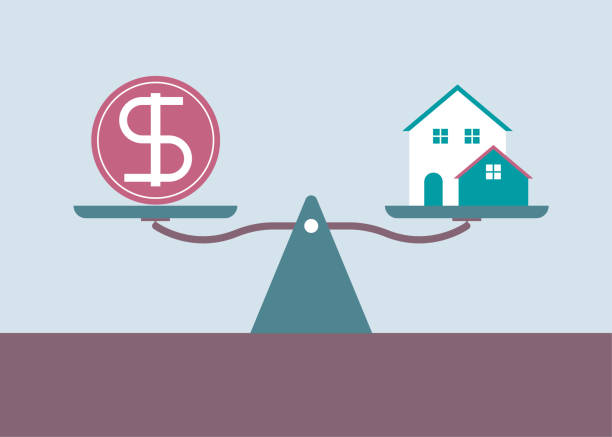


 When you buy a home, your lender will require you to have homeowners insurance. It protects both you and the bank if something bad happens, like a fire or a bad storm. But there is one part of that policy that many homeowners forget about until they have to use it: the deductible. This is your share of the bill when you file a claim. Knowing how your deductible works can save you a lot of money and stress.Think of it like a car insurance policy. If you get into a fender bender and your deductible is five hundred dollars, you pay the first five hundred dollars of the repair bill. Your insurance company pays everything above that up to your coverage limits. The same idea applies to your home insurance. If a tree falls on your roof and the repair costs ten thousand dollars, and your deductible is one thousand dollars, you pay the first thousand. The insurance company sends you a check for the other nine thousand.Your deductible is not a fee you pay every year. You only pay it when you file a claim. If you never file a claim, you never pay your deductible. That sounds good, but it also means that when something does happen, you need to have that money ready.Most home insurance policies offer a few different deductible amounts. The most common choices are five hundred dollars, one thousand dollars, two thousand dollars, and sometimes even five thousand dollars or more. The number you pick affects your premium, which is the amount you pay each month or year for the policy. A higher deductible means you have to pay more out of pocket if something goes wrong, but your insurance company will charge you a lower monthly payment. A lower deductible means you pay less if you file a claim, but your monthly payments will be higher.This is the trade off you have to think about. Let’s say you have a one thousand dollar deductible and you pay one thousand two hundred dollars a year for insurance. If you bump that deductible up to two thousand dollars, your yearly premium might drop to about one thousand dollars. That saves you two hundred dollars a year. But if you have a claim, you have to pay twice as much out of pocket before the insurance kicks in. Over time, if you never file a claim, you come out ahead with the higher deductible. If you have a claim every few years, a lower deductible might make more sense.There is also something called a percentage deductible. This is common in areas that get hurricanes, tornadoes, or earthquakes. Instead of a flat dollar amount, your deductible is a percentage of your home’s insured value. For example, if your home is insured for three hundred thousand dollars and your windstorm deductible is two percent, you have to pay the first six thousand dollars of any wind damage claim. That can be a big surprise if you are not ready for it. Always check your policy to see if you have a percentage deductible for certain types of damage.Another thing to watch out for is that your deductible applies per claim. If your house is damaged in two separate storms, you will have to pay the deductible each time. But if the damage happens all at once from one event, you pay the deductible only once.One mistake many homeowners make is setting the deductible too low just to feel safe. A low deductible raises your premium a lot, and you might end up paying more in extra premium over the years than you would have paid if you had a higher deductible and just paid a couple of repairs yourself. For example, if you have a five hundred dollar deductible, your premium might be three hundred dollars more per year than if you had a one thousand dollar deductible. Over ten years, that is three thousand dollars in extra payments. If you never file a claim, you wasted that money. Even if you file one claim for a thousand dollars, you would have been better off with the higher deductible.On the other hand, do not set your deductible so high that you could not afford to pay it if something happened. If you only have a couple thousand dollars in savings, a five thousand dollar deductible could force you to take out a loan or put repairs on a credit card. That defeats the purpose of having insurance. The best deductible is one that you could comfortably pay out of pocket in a week or two without going into debt.Also remember that not every repair is worth filing a claim for. If your deductible is one thousand dollars and you have a small leak that costs eight hundred dollars to fix, you pay the whole bill yourself. The insurance company does not get involved because the damage is below your deductible. Many homeowners think insurance covers every little thing, but it only covers things that cost more than your deductible. That is why it is smart to keep a separate emergency fund for home repairs.Your lender may also limit your deductible choices. Some mortgage companies require a maximum deductible of one thousand dollars or less. They want to make sure you can afford to fix problems without letting the house fall into disrepair. So check with your lender before you choose a high deductible.In the end, picking the right deductible is about balancing your monthly budget against your ability to handle a big expense all at once. A good rule of thumb is to pick a deductible that is at least one percent of your home’s value but no more than what you could pay out of your savings. That way you keep your monthly costs low while still being protected from a real disaster.
The Consumer Price Index (CPI) is a primary measure of inflation. The Fed closely watches CPI data. If CPI comes in higher than expected, it signals persistent inflation, increasing the likelihood the Fed will maintain or raise interest rates. This anticipation alone can cause mortgage lenders to raise rates. A lower-than-expected CPI can have the opposite effect.
Refinancing can alter your debt load by changing your interest rate, loan term, or principal balance. A lower rate reduces total interest costs. A shorter term accelerates payoff but increases monthly payments. A cash-out refinance increases your principal, thereby increasing your total debt.
If you haven’t received a response within one business day, please follow up with a second email or phone call. You can also contact our general office line, and our administrative team will ensure your message is promptly delivered to the right person. We appreciate your diligence in helping us maintain our high service standards.
Underwriters scrutinize bank statements to:
Verify Assets: Confirm you have enough for the down payment and closing costs.
Identify “Sourcing”: Ensure your funds come from acceptable sources (e.g., savings, gift funds). Large, unexplained deposits can raise red flags.
Assess Stability: Look for consistent account management and no concerning activity like overdrafts.
The process varies by lender. Typically, you can do this through your online mortgage account portal, by phone, or by mailing a check. It is critical to include clear written instructions (e.g., “Apply to principal reduction only”) and to verify the payment was applied correctly on your next statement.