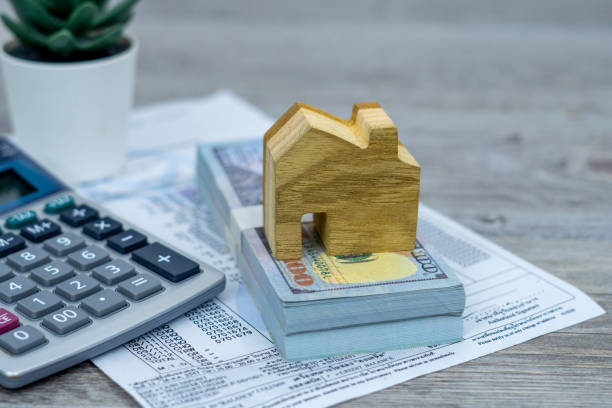
If you’re staring at a stack of credit card bills with double-digit interest rates, you’ve probably thought about getting a home equity line of credit, or HELOC, to wipe out that debt. It sounds great on paper. You borrow against your house, pay off the cards, and then make one monthly payment at a much lower rate. That can absolutely work, but only if you do it with your eyes wide open. This isn’t a magic trick. It’s a trade. You’re swapping unsecured debt for secured debt, and that means your home is now on the line. So let’s talk about how to do this the right way without putting your biggest asset at risk.
First, understand what a HELOC actually is. It’s a line of credit that uses your home as collateral. You get approved for a certain limit, and you can draw money from it during the “draw period,” which is usually five to ten years. During that time, you often only need to make interest payments. After the draw period ends, you enter the repayment period, where you pay back the principal over a set number of years. Many HELOCs have a variable interest rate, meaning your payment can go up when rates rise. That’s a crucial point. If you’re using it to consolidate credit card debt, a fixed-rate home equity loan might be a better choice. But a HELOC gives you flexibility, so it’s all about your situation.
Now, why bother? Because credit cards routinely charge 20% to 30% interest. A HELOC might charge 8% to 10% right now. That difference can save you hundreds of dollars each month. Instead of paying $400 in interest alone, you might pay $200 toward the actual debt. That means you can finally make progress. But here’s the catch: The bank isn’t giving you that lower rate out of kindness. They’re getting a lien on your house. If you fall behind on your HELOC payments, they can foreclose on your home. Credit card companies can sue you, but they can’t take your house. So the stakes are much higher.
The smart way to use a HELOC for debt consolidation starts with a plan. Don’t just pay off the cards and then breathe a sigh of relief. That’s how people get into worse trouble. You need to commit to not using those credit cards again, at least not until the HELOC is paid off. If you don’t, you’ll end up with both a HELOC and new card balances, and now you’ve got two big debts to juggle. So before you apply, take a hard look at your spending habits. Why did you rack up the debt in the first place? Was it a medical emergency or a job loss? Those are tough luck. Was it just buying things you wanted without thinking? Then you have to fix that behavior, or the HELOC becomes a bigger shovel for a deeper hole.
Another smart move is to have a payoff schedule. Don’t just make the minimum payment on the HELOC. That minimum is often interest only, which means you’re not reducing what you owe. If you only pay the interest, you’ll get to the end of the draw period and owe the full balance. That’s a shock you don’t want. So set a monthly payment that includes principal, even if it’s more than the minimum. Treat it like a bill that must be paid. You can even set up automatic payments so you don’t have to think about it. The goal is to get rid of that debt in a realistic time, say three to five years, not to stretch it out for decades.
Also, pay attention to fees and closing costs. Some HELOCs come with no closing costs, but others have appraisal fees, application fees, or annual fees. Ask the lender for a full list. Figure out the total cost of getting the loan, then compare that to what you’d save on interest. If the fees eat up your savings, it might not be worth it. Another option is to do a simple rule of thumb: If you can pay off your credit cards in 12 to 18 months with a serious budget, you might not need a HELOC at all. Only use your home equity when you need more time or the rates are so good that it’s a no-brainer.
One more warning: Some people use a HELOC to consolidate debt and then treat the available credit like free money. Don’t do that. A HELOC isn’t a piggy bank. It’s a loan that’s secured by your home. If you tap it for a vacation or a new TV, you’re adding to your debt and increasing the risk. Keep it for the original purpose: getting out of credit card debt. After you pay it off, you can close the line or just leave it unused. The peace of mind from being debt-free is far better than any shopping spree.
In the end, a HELOC for debt consolidation works well when you have equity in your home, a steady job, and the discipline to manage your money. It fails when you treat it as a quick fix. Run the numbers. Make a budget. Stick to the plan. If you do that, you can break the cycle of high-interest credit card payments and own your house without a cloud of debt hanging over your head.