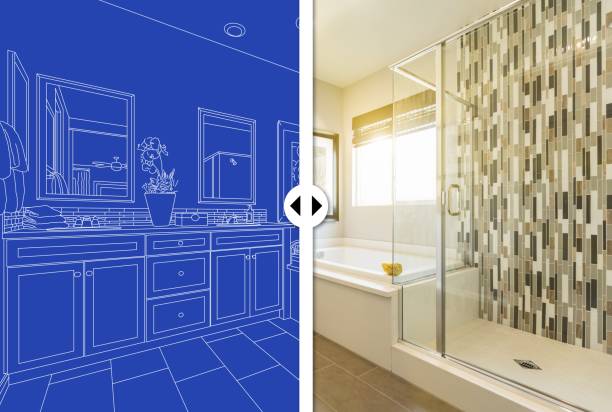
If your bathroom is starting to show its age with cracked tiles, a stubborn toilet, or a shower that just doesn’t feel clean, you might be thinking about a remodel. But a full bathroom overhaul can cost anywhere from ten to thirty thousand dollars or more. That’s a big chunk of cash to have lying around. For many homeowners, the smartest way to fund this kind of project is to tap into the equity you’ve already built up in your house. One popular option is a home equity loan. Here’s what you need to understand before you sign the papers.
First, let’s talk about what a home equity loan actually is. Your home equity is simply the difference between what your house is worth and what you still owe on your mortgage. For example, if your home is valued at three hundred thousand dollars and you owe one hundred fifty thousand on your mortgage, you have one hundred fifty thousand dollars in equity. A home equity loan lets you borrow a lump sum of money against that equity. You get the entire amount at once, and then you pay it back over a fixed period, usually five, ten, or fifteen years, with a fixed interest rate. That means your monthly payment never changes, which is comforting when you’re trying to budget for a renovation.
Why would you use a home equity loan specifically for a bathroom remodel? Because it gives you a predictable, one-time payout. Unlike a credit card or a personal loan, the interest rate on a home equity loan is typically lower because your house is used as collateral. That also means you can borrow more money than you could with an unsecured loan. A bathroom remodel is a one-and-done project: you hire the contractor, buy the materials, and the work gets done. You don’t need a revolving line of credit that you can keep drawing from. A single lump sum fits the bill nicely.
However, there are a few important things to watch out for. Because a home equity loan uses your house as security, if you fall behind on payments, the lender could foreclose on your property. This isn’t meant to scare you, but it’s a fact you need to take seriously. Make sure you have a stable income and a clear plan for repayment before you commit. Also, some lenders charge origination fees, closing costs, or appraisal fees. These can add up to several hundred or even a couple thousand dollars. Always ask for a full list of fees upfront, and compare offers from at least two or three different lenders.
When planning your bathroom remodel, be realistic about the total cost. Many homeowners underestimate how much a bathroom renovation actually runs. It’s not just the new tub and vanity. You have plumbing and electrical work, possible structural changes, permits, and disposal of old materials. A good rule of thumb is to add twenty percent onto your estimate for unexpected surprises. Water damage behind the walls, outdated wiring, or a rotted subfloor can all pop up once the demo starts. If you borrow exactly what you think you’ll need and then discover an extra five thousand dollars in issues, you’ll have to scramble for funds. Better to borrow a little more than you think you’ll use, but be careful not to overborrow and waste money on interest for unused cash.
Another factor is how the loan fits with your existing mortgage. A home equity loan is a second mortgage, so you’ll have two monthly payments: your original mortgage and this new loan. Make sure your budget can handle both comfortably. Some homeowners choose a home equity line of credit, or HELOC, instead, which works more like a credit card. But for a one-time project like a bathroom remodel, a HELOC can tempt you to keep spending beyond the project, and its variable interest rate can rise over time. The fixed rate and fixed payment of a home equity loan are often the safer bet.
Finally, consider the impact on your home’s value. A well-done bathroom remodel can add value to your house, but it rarely pays for itself dollar for dollar. The general rule is that you might recoup only about sixty to seventy percent of the cost when you sell. That means you shouldn’t do the remodel simply to make money. Do it because you want a nicer, more functional bathroom for your family. The equity loan is a tool to get that done now rather than waiting years to save up cash.
To sum it up, a home equity loan for a bathroom remodel can be a smart move if you have solid equity, need a predictable lump sum, and can handle the fixed monthly payments. Just be sure to shop around for the best rate, factor in fees, and plan for cost overruns. Your new bathroom will be worth it, but only if you borrow responsibly.