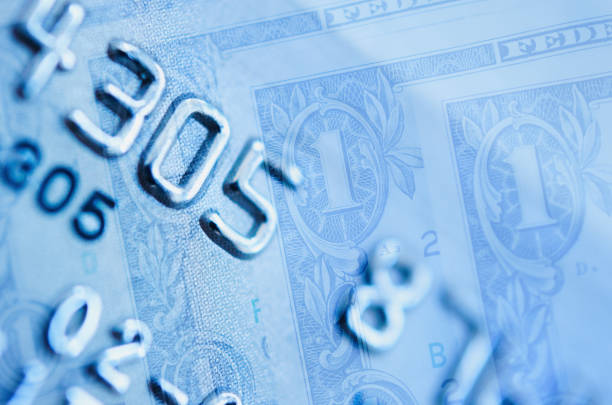
 If you’re a homeowner sitting on a pile of credit card bills with high interest rates, a cash-out refinance might sound like a lifeline. It works like this: you replace your current mortgage with a new, larger loan, take the extra cash in a lump sum, and use that money to wipe out your credit card balances. The promise is simple – trade your 20% or 25% credit card interest for a mortgage rate that’s probably under 7% today. But is that always a smart move? Not necessarily. Let’s walk through the good, the bad, and the “maybe” so you can decide if it fits your situation.First, understand how a cash-out refinance works. You own a home worth, say, $300,000. Your existing mortgage balance is $200,000. That gives you $100,000 in equity – the part of your home you truly own. With a cash-out refinance, you can borrow up to 80% of your home’s value, or $240,000 in this example. So you’d take out a new $240,000 mortgage, pay off the old $200,000 loan, and pocket the remaining $40,000 in cash. That cash has to be used for whatever you want – paying down credit cards, home renovations, medical bills, or even a vacation (though that’s rarely a good idea).The biggest benefit is the interest rate savings. Credit cards often charge 20% to 30% APR, while a mortgage rate today might be around 6% to 7%. On a $40,000 balance, that’s a difference of thousands of dollars per year in interest. Plus, mortgage interest is usually tax-deductible if you itemize, though most homeowners don’t itemize anymore due to the higher standard deduction. Still, the lower rate alone can free up your monthly cash flow and help you get out of debt faster – if you don’t run up new credit card charges.But here’s the catch: you’re turning unsecured debt (credit cards) into secured debt (mortgage). That means your home is now on the line. If you miss a mortgage payment, the bank can foreclose and take your house. If you fall behind on credit cards, the worst that typically happens is a damaged credit score, collection calls, and maybe a lawsuit – but you won’t lose your roof. So before you do a cash-out refinance, ask yourself: is my debt problem under control? If the reason you have high credit card balances is overspending or a lack of budgeting, paying them off with a mortgage might just give you a clean slate to rack up new debt. That’s a dangerous cycle. Many people who cash out to pay off cards end up with even more credit card debt plus a bigger mortgage.Another downside is the upfront costs. A cash-out refinance isn’t free. You’ll pay closing costs – typically 2% to 5% of the loan amount. On a $240,000 loan, that could be $4,800 to $12,000. Some lenders let you roll those costs into the loan, but that increases your balance and interest. Also, you’ll likely get a slightly higher interest rate on a cash-out refinance compared to a rate-and-term refinance (where you just change your rate without taking cash). Lenders view cash-out as riskier because you’re increasing your loan amount.You also extend your mortgage term. If you’re 10 years into a 30-year mortgage and you do a cash-out refinance into a new 30-year loan, you’re basically starting over. That means you’ll pay more total interest over the life of the loan, even if the rate is lower. Some people choose a 15-year or 20-year term to avoid this, but those come with higher monthly payments.So when does a cash-out refinance make sense? It’s a good option if you have a clear plan to stop using credit cards, you have a stable job, and you can afford the new mortgage payment. It’s especially helpful if your credit card debt is from a one-time emergency – like a medical bill or home repair – rather than ongoing overspending. Also check your credit score. A strong score (720 or higher) will get you the best rates. If your score is low because of missed payments, you might not qualify or you’ll get a high rate that wipes out the savings.Before you rush in, compare alternatives. A home equity loan is similar but gives you a separate, second mortgage at a fixed rate. A home equity line of credit (HELOC) is like a credit card secured by your home – you only borrow what you need. Both have lower closing costs than a cash-out refinance. Or you could try a balance transfer credit card with a 0% introductory APR for 12 to 18 months. That gives you time to pay off debt without touching your home. If you can’t qualify for those, a debt management plan through a nonprofit credit counselor might work.In short, a cash-out refinance is a powerful tool, but not a cure-all. It can lower your interest payments and simplify your finances – but only if you change the habits that got you into debt. Talk to a mortgage advisor and a credit counselor before signing anything. They can help you run the numbers and see if this path is genuinely better for your long-term financial health. Remember: your home is your biggest asset. Protect it wisely.
While both protect the lender, FHA Mortgage Insurance is required on all FHA loans, regardless of down payment size, and it typically lasts for the entire life of the loan if you put down less than 10%. PMI, on the other hand, is for conventional loans and can be removed once you reach 20-22% equity.
APR, or Annual Percentage Rate, is a broader measure of your loan’s cost than the interest rate alone. It represents the annual cost of your mortgage, expressed as a percentage, and includes the interest rate plus other lender fees and charges.
1. Review your purchase contract: Check the closing date and any penalties for delay.
2. Get a solid Loan Estimate from the new lender: Ensure the better terms are officially documented.
3. Communicate with your real estate agent: They can advise on the timeline risks and talk to the seller’s agent.
4. Confirm the new lender can close on time: Get a guaranteed closing timeline in writing.
Avoid making any major financial changes. Do not open new lines of credit, take out new loans, or make large purchases on credit. Do not switch jobs or change your income source. Also, avoid making large, undocumented deposits into your bank accounts, as the lender will need to source all funds.
A rate lock guarantees your interest rate for a specified period, protecting you from market increases. Ask how long the lock lasts, what happens if your closing is delayed, and if there is a fee to lock the rate or extend the lock.