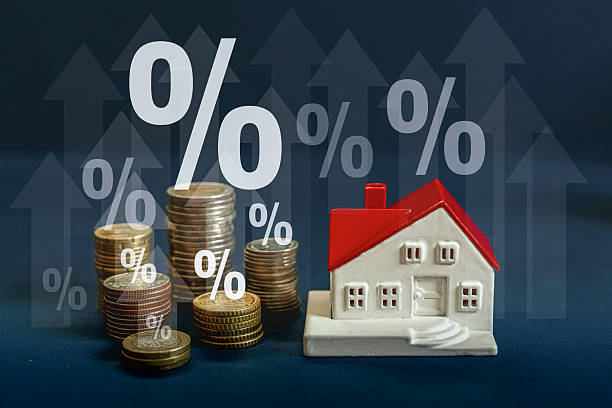
 If you pay attention to the news, you have probably heard that the Federal Reserve, often just called “the Fed,” raised or lowered interest rates. And almost immediately after that announcement, you see headlines saying mortgage rates went up or down too. It might look like the Fed has a direct finger on your monthly payment. But the connection is not quite as simple as a switch being flipped. Understanding how the Fed’s actions actually trickle down to the mortgage rate you are quoted can help you make better decisions about when to buy, refinance, or lock in a rate.First, it helps to know what the Fed actually controls. The Fed sets a short-term interest rate called the federal funds rate. That is the rate that banks charge each other for overnight loans. The Fed does not set mortgage rates directly. Mortgages are long-term loans that last 15 or 30 years, so they are influenced by different, longer-term financial forces. However, the federal funds rate acts like a starting domino. When the Fed changes that domino, it sets off a chain reaction that eventually reaches your mortgage.The most important link in that chain is something called the 10-year Treasury note yield. Mortgage rates tend to move in the same direction as that yield. The 10-year Treasury is a bond the U.S. government sells to investors. Because it is backed by the government, it is considered very safe. Investors all over the world buy and sell these bonds, and their price moves based on what investors expect for the future—especially expectations about inflation and economic growth. When investors think inflation will go up or the economy will boom, they demand higher yields to lend money for ten years. When they fear a slowdown or inflation is cooling, yields go down.So where does the Fed come in? The Fed’s rate decisions change the overall “cost of money” in the economy. When the Fed raises short-term rates, it becomes more expensive for banks and businesses to borrow. That slows down spending and can cool off inflation. But it also changes what investors expect. If the Fed signals that it will keep raising rates to fight inflation, investors often expect that inflation will eventually fall. That expectation can push long-term yields lower in the short term because the future looks less risky. More often, though, when the Fed raises rates, long-term yields also go up because the whole borrowing environment gets tighter. Mortgage lenders then raise their rates to stay profitable.The opposite happens when the Fed cuts rates. A cut makes borrowing cheaper for banks, and the expectation is that the economy needs a boost. Investors then shift money out of safe bonds into riskier investments, which lowers the demand for bonds and pushes yields down. Mortgage rates follow. But there are times when the Fed cuts rates and mortgage rates barely move, or even go up. That happens when the market has already “priced in” the cut. Investors had already expected the cut and moved in advance. So the actual announcement does not change much.Another powerful way the Fed influences mortgage rates is through its bond-buying programs, sometimes called quantitative easing. During crises such as the 2008 financial meltdown or the pandemic, the Fed bought huge amounts of mortgage-backed securities and Treasury bonds. That massive buying pushed bond prices up and yields down, which pulled mortgage rates to historic lows. When the Fed later slowed or reversed that buying, yields went back up, and so did mortgage rates. Homeowners who locked in a rate during those low periods still benefit, but anyone shopping after the Fed stopped buying saw higher rates.Because mortgage rates are driven by long-term expectations, they can actually move in the opposite direction of a Fed rate change if the market sees a different signal. For example, if the Fed raises rates but the market believes it will stop soon because the economy is weakening, investors might start buying long-term bonds, pushing yields down and mortgage rates lower. That is why you might see the Fed raise rates but hear that mortgage rates have dropped slightly. It is all about what people think will happen months and years from now, not what the Fed does today.For a regular homeowner, the key takeaway is this: Do not try to time the mortgage market based on a single Fed meeting. Instead, watch the overall trend in the 10-year Treasury yield and listen to what the Fed says about its future plans. If the Fed keeps hinting that rates will stay high for a while, mortgage rates are likely to stay elevated. If the Fed signals it is ready to cut, mortgage rates will probably start falling before the cut actually happens.The Fed does not control your mortgage rate, but it is the single most powerful force in the background. By understanding that connection, you can avoid panic when rates jump after a Fed announcement and recognize that the real story is in the long-term bond market. The simplest rule of thumb: when the 10-year Treasury yield goes up, expect mortgage rates to follow—and when the Fed speaks, listen to what it says about the future, not just the rate change of the day.
You should do a light review of your budget every month when you pay bills. Conduct a more thorough review at least once a year, or whenever you experience a major life change (e.g., job change, new family member) or a significant change in housing costs (e.g., property tax increase, insurance renewal).
If you haven’t received a response within one business day, please follow up with a second email or phone call. You can also contact our general office line, and our administrative team will ensure your message is promptly delivered to the right person. We appreciate your diligence in helping us maintain our high service standards.
It depends on your overall financial health. Before using a large sum, ensure you have a fully-funded emergency fund (3-6 months of expenses) and no high-interest debt (like credit cards). Also, consider the opportunity cost of pulling money out of investments and any potential tax implications.
The Closing Disclosure (CD) is a five-page form that provides the final details of your mortgage loan. It includes the loan terms, your projected monthly payments, and a comprehensive list of all closing costs and fees. By law, you must receive this document at least three business days before your loan closing to give you time to review it.
Homeowners commonly use the funds for home improvements and renovations, debt consolidation (paying off high-interest credit cards or loans), funding major expenses like college tuition, or investing in a business. Using the funds for home improvements can also increase your property’s value.